


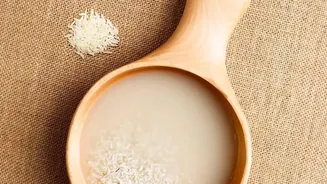

The Science of Fluffy Grains
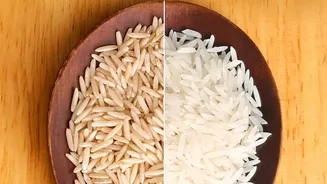
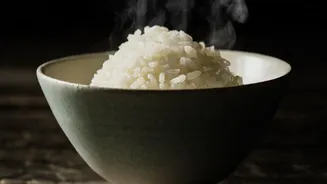
The primary reason for rinsing rice is to remove the excess starch that coats each grain. This starchy powder is a byproduct of the milling process, where the husk and bran are removed to produce white rice. When you cook unrinsed rice, this starch dissolves
into the water and acts like a glue, causing the grains to clump together and resulting in a gummy or sticky texture. By washing this surface starch away, you ensure that the cooked grains remain separate, light, and fluffy. This is particularly important for dishes where individual grains are celebrated, like a perfect biryani or a simple side of steamed rice.
When Rinsing Is a Must
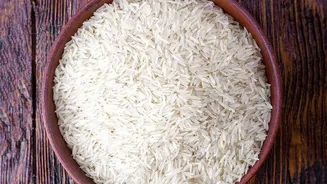
For long-grain rice varieties like basmati and jasmine, rinsing is almost always recommended. These types of rice are prized for their delicate aroma and fluffy, distinct grains. Rinsing them three to four times in cold water, or until the water runs mostly clear, is crucial for achieving that desired texture. Indian dishes such as biryani, pulao, and other festive rice preparations depend on every grain being separate and perfectly cooked. Rinsing not only helps in achieving this but also cleans the rice of any dust or debris from processing and transport. For many cooks, soaking the rice for 15-30 minutes after rinsing is an additional step that helps the grains hydrate and cook more evenly.
When to Skip the Rinse
There are specific dishes where that starchy glue is not a flaw but a feature. For creamy, rich dishes, the starch is essential. Risotto, made with short-grain Arborio rice, is a prime example. The constant stirring during the cooking process releases the surface starch, which emulsifies with the liquid to create the signature velvety sauce that binds the dish together. Rinsing Arborio rice would wash away this crucial element, leaving you with a much less creamy result. The same logic applies to other dishes where a stickier texture is desired, such as paella, rice pudding (kheer), or Japanese sushi rice. The inherent stickiness helps the grains cling together, which is necessary for forming sushi rolls or for the rich consistency of a good kheer.
The Nuance of Nutrients and Safety
Beyond texture, some people rinse rice due to health and safety concerns. Rinsing can help remove impurities, dust, and even some heavy metals like arsenic that rice can absorb from the soil. However, there is a trade-off, especially with enriched white rice, which is fortified with vitamins and minerals like iron and B vitamins that are sprayed onto the surface. Rinsing this type of rice can wash away these added nutrients. In India, where fortified rice is becoming more common, official guidance often suggests not washing it. Ultimately, a light rinse is a good middle ground for non-enriched rice to reduce surface contaminants without significant nutrient loss.
The Proper Rinsing Technique
Rinsing rice correctly is simple and takes only a minute or two. You can use either a fine-mesh strainer or a bowl. If using a strainer, place the rice inside and hold it under cool running water, using your fingers to gently agitate the grains. Continue until the water coming through is no longer cloudy. The bowl method is also effective and can conserve water. Place the rice in a bowl, cover it with cold water, and swirl the grains with your hand. The water will immediately turn milky. Carefully drain this water and repeat the process two to three more times until the water is substantially clearer. It doesn’t need to be perfectly transparent, but a noticeable reduction in cloudiness is your goal.