







The Sheer Scale of the Opportunity
The travel and tourism sector is a significant pillar of the Indian economy. In 2024, its total contribution to the nation's GDP was estimated at nearly ₹21 trillion, accounting for 6.6% of the entire economy and supporting over 46 million jobs. Projections
show this is just the beginning, with forecasts suggesting the sector's value could nearly double by 2035. This growth isn't happening in a vacuum; it's a direct reflection of a seismic shift in travel patterns. While international tourism is important, the real powerhouse is the domestic traveler. In 2024, spending by domestic visitors hit a staggering ₹15.5 trillion, a figure 22% higher than pre-pandemic levels. This surge underscores a foundational truth: the future of tourism-related employment in India is increasingly being shaped by Indians traveling within India.
The Multiplier Effect: One Rupee, Many Livelihoods
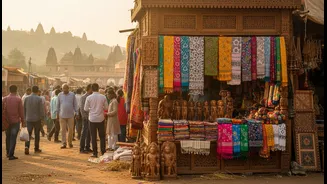
When a tourist spends money, it doesn't just benefit the hotel or airline. This is the magic of the 'multiplier effect,' where every rupee spent ripples through the local economy, creating a cascade of economic activity and employment. Consider a family visiting a heritage site. They pay for accommodation, which employs receptionists, housekeepers, and managers. They eat at local restaurants, supporting chefs, servers, and the farmers who supply the produce. They hire a local guide, purchase handicrafts from an artisan, and use local transport, creating income for drivers and vehicle owners. This initial spending creates more income for those individuals, who then spend it on local goods and services, continuing the cycle. This effect is particularly potent in rural and remote areas, where tourism can become a primary driver of development, funding everything from new roads to better public facilities.
Why Domestic Tourism Is the Sustainable Backbone
While international arrivals bring in valuable foreign exchange, domestic tourism provides volume, resilience, and reach. Domestic travelers accounted for nearly 84% of total visitor spending in 2024, forming the bedrock of the industry's health. This domestic demand is less susceptible to global shocks like geopolitical tensions or pandemics, which can severely impact international travel. Furthermore, domestic tourism is uniquely capable of spreading economic benefits to less-explored parts of the country. Government initiatives like Swadesh Darshan 2.0 and the PRASHAD scheme are designed to develop infrastructure in thematic and pilgrimage circuits, encouraging Indians to discover destinations beyond the usual hotspots. This diversification helps create jobs in regions that have historically been left behind, promoting balanced regional development and empowering local communities, including women and youth.
Beyond Hotels: The Spectrum of Jobs Created
The tourism jobs engine goes far beyond the obvious roles in hospitality. The industry is labour-intensive and creates a wide spectrum of direct and indirect employment. Directly, it employs tour guides, travel agents, event managers, and transportation staff. Indirectly, it fuels jobs in sectors like construction (for new hotels and infrastructure), handicrafts, agriculture, and retail. Niche tourism sectors are also creating specialised employment. The rise of wellness tourism, a market projected to grow significantly, creates demand for yoga instructors, spa therapists, and wellness experts. Similarly, adventure tourism requires trained trek leaders and safety personnel, while the focus on medical tourism, expected to be worth over $13 billion by 2026, supports healthcare professionals and specialised facilitators. Government skill development programs like 'Hunar Se Rozgar Tak' aim to train people for these diverse roles, ensuring the workforce is ready to meet evolving demands.
The Roadblocks to Realising Full Potential
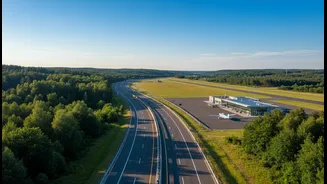
Despite the immense potential, significant challenges remain. Industry reports point to infrastructure gaps, a need for better connectivity to last-mile destinations, and issues with service standardisation. While domestic tourism is strong, India's share of global inbound tourism remains relatively low, partly due to perceptions of it being an expensive destination and bureaucratic hurdles like a cumbersome e-visa process. Experts argue that for India to compete with more affordable Southeast Asian destinations, it needs to address issues like inconsistent pricing, especially during peak seasons, and improve safety and hygiene standards. Creating a seamless, high-quality experience for all tourists—both domestic and international—is crucial to unlocking the sector's full job-creation capacity and ensuring its long-term sustainable growth.