


The Rustic Superfood Reimagined
For generations, sattu has been a celebrated staple in Indian households, particularly in states like Bihar, Jharkhand, and Uttar Pradesh. Made from dry-roasted and ground Bengal gram (chana), it's traditionally been the go-to fuel for farmers and laborers.
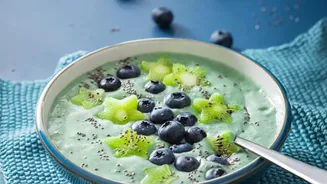
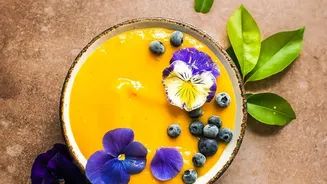
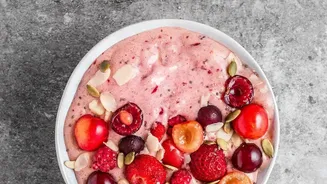
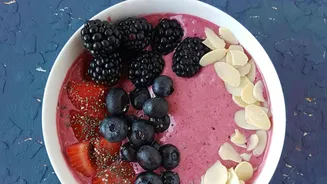
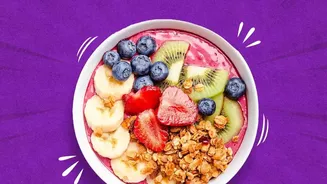
Mixed with water, salt, and lemon, the classic 'sattu sharbat' is a time-tested cooling drink, renowned for its ability to hydrate and provide lasting energy during scorching summers. But this rustic flour is now moving from the countryside tumbler to the urban fitness enthusiast's breakfast bowl. The core ingredient remains the same, but its application has evolved from a thin, savoury drink into a thick, spoonable, and highly Instagrammable smoothie bowl.
Why Fitness Buffs Are Scooping It Up
The pivot towards sattu is driven by its impressive nutritional profile. It is a plant-based protein powerhouse, with 100 grams providing approximately 20-25 grams of protein, making it an excellent alternative to commercial whey powders for vegetarians and vegans. This protein is crucial for muscle repair and growth after a strenuous workout. Beyond protein, sattu is packed with dietary fiber, containing around 15-18 grams per 100g. This high fiber content promotes satiety, keeping you feeling full for longer, which aids in weight management by curbing unhealthy snacking. Furthermore, it has a low glycemic index, meaning it releases energy slowly, preventing the sugar crashes associated with many breakfast options and providing sustained fuel for workouts.
From Refreshing Drink to Hearty Bowl
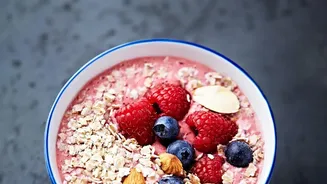
The transition from a hydrating drink to a smoothie bowl is a significant one. While the sharbat is designed for quick hydration and refreshment, the smoothie bowl is a complete meal. By blending sattu with a thicker base like curd (dahi), milk, or even a plant-based alternative, and adding fruits like bananas or mangoes, the consistency becomes rich and creamy. This spoonable texture makes it more satisfying than a simple drink and provides a canvas for a variety of toppings. This format allows for added nutrition and texture from nuts, seeds, and fresh fruit, turning a simple breakfast into a nutrient-dense and flavourful experience.
Your Basic Sattu Smoothie Bowl Blueprint
Creating your own sattu smoothie bowl is simple and highly customizable. The key is to get the right balance of ingredients to achieve a thick, smooth consistency. Start with a base of 3-4 tablespoons of sattu flour. Add about a cup of your preferred liquid, such as low-fat milk, almond milk, or curd for extra creaminess and protein. For natural sweetness and a thicker texture, add half a frozen banana or a few pitted dates. A spoonful of nut butter can add healthy fats and enhance the creamy texture. Blend everything until completely smooth. If it's too thick, add a splash more liquid; if it's too thin, add a little more sattu or a few ice cubes and blend again. Pour into a bowl and get ready for the best part: the toppings.
Three Bowl Variations to Get You Started
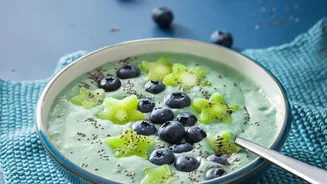
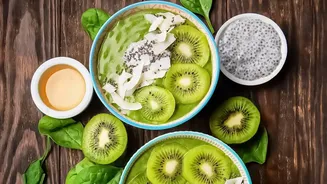
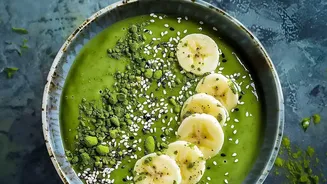
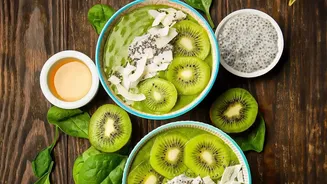
1. Chocolate Peanut Butter Power Bowl: Blend sattu, a frozen banana, a tablespoon of unsweetened cocoa powder, a tablespoon of peanut butter, and almond milk. Top with roasted peanuts, a few dark chocolate chips, and sliced banana. 2. Tropical Mango Turmeric Bowl: Blend sattu, a cup of frozen mango chunks, a half-cup of curd, a pinch of turmeric, and a dash of black pepper for absorption. Add water or coconut water to reach your desired consistency. Top with fresh mango pieces, coconut flakes, and chia seeds. 3. Green Energy Bowl: For a veggie boost, blend sattu, half a frozen banana, a large handful of spinach, a few mint leaves, and coconut water. The banana's sweetness will balance the greens. Top with pumpkin seeds, pomegranate arils, and a drizzle of honey if desired.