




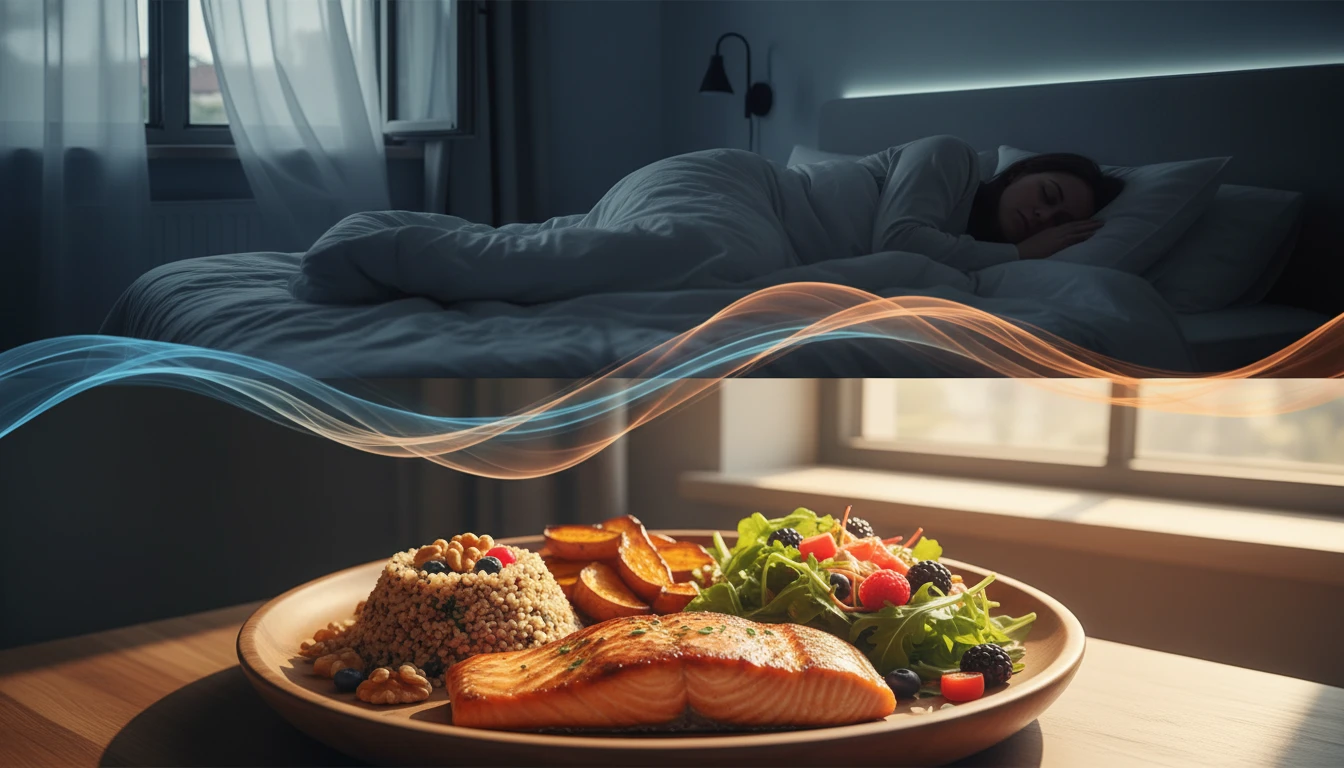




The Body's Internal Clock
At the heart of this idea is a concept called chrononutrition, which studies the relationship between our eating patterns and our body’s internal clock, or circadian rhythm. This 24-hour cycle governs nearly all our bodily functions, from when we feel
sleepy to when our metabolism is most active. Think of it as a master schedule. Our bodies are primed to do certain things at certain times. Just as sunlight signals our brain that it’s time to be awake, food acts as a powerful cue for the clocks in our metabolic organs, like the liver and pancreas. When our meal times are out of sync with our internal rhythm—for instance, by eating a large meal late at night—it can create a state of 'internal jet lag,' confusing our system and disrupting metabolic processes.
Why Midday is a Metabolic Power Hour
Your metabolism isn't a constant, 24/7 furnace; it has its own rhythm, peaking during the day and slowing down at night. Research consistently shows that our bodies are most efficient at processing food earlier in the day. Insulin sensitivity—our body's ability to effectively use glucose from our bloodstream—is typically highest in the morning and midday. When you eat a substantial lunch, you are supplying fuel when your metabolic machinery is running at full capacity. Your body is better prepared to use those calories for energy, rather than storing them as fat. Studies have found that individuals who consume their largest meal at lunch tend to have more success with weight management and show better metabolic markers compared to those who eat their main meal at dinner, even when total daily calorie intake is the same.
The Trouble with a Large, Late Dinner
The common habit of having a light lunch and a heavy dinner directly conflicts with our natural circadian rhythm. As evening approaches, our bodies begin preparing for rest. Melatonin levels rise, and our metabolism and digestive processes naturally slow down. Eating a large meal during this wind-down phase forces your digestive system to work overtime when it should be resting. This can lead to a larger spike in blood sugar and insulin, as your body is less efficient at handling glucose at night. Over time, this pattern can contribute to impaired fat metabolism, increased fat storage (particularly around the midsection), and a higher risk of metabolic issues. It essentially sends a mixed signal to your body: your brain is getting ready for sleep, but your gut is getting a signal to stay awake and digest.
The Direct Link to Better Sleep
A heavy dinner doesn't just affect your waistline; it can directly sabotage your sleep. When your body is dedicating significant energy to digestion, it struggles to transition into deep, restorative sleep. This can lead to more frequent awakenings and a feeling of being unrested in the morning. Furthermore, eating a large meal close to bedtime increases the risk of digestive discomfort and acid reflux, which can be a major barrier to falling and staying asleep. By shifting your main meal to lunch and opting for a lighter, easily digestible dinner, you give your body a crucial 2-3 hour window to process the food before you lie down. This allows your body to focus on its nighttime repair and recovery tasks, leading to more stable blood sugar overnight and ultimately, a higher quality of sleep.
How to Make Lunch Your Main Event
Making the switch requires a bit of planning. Start by gradually increasing the size and nutritional density of your lunch while making your dinner smaller. A powerful midday meal should be balanced, containing a good source of protein, healthy fats, complex carbohydrates, and plenty of fibre from vegetables. This combination provides sustained energy and helps prevent the dreaded afternoon slump or 'food coma'. For dinner, think of it as a light and simple meal—a soup, a salad with some protein, or a small portion of steamed vegetables and dal. You don't need to go to bed hungry, but the goal is to avoid feeling stuffed. This shift not only aligns with your biology but can also simplify your evenings, freeing up time that was once spent on cooking and cleaning up after a large dinner.