






Why Monsoon Is a Menace for Appliances
The primary threat during the rainy season isn't the rain itself, but its effect on the electrical grid. Lightning strikes are a major cause of power surges, sending a massive, instantaneous spike of voltage through power lines that can fry sensitive
electronics. Heavy winds can cause trees and branches to fall on cables, leading to short circuits, outages, and voltage instability. Furthermore, increased humidity and water seepage into home wiring or outdoor electrical fittings can create hazards and cause short circuits. These events result in several types of dangerous fluctuations: surges (sudden voltage spikes), sags or brownouts (a drop in voltage), and complete outages, all of which can shorten the lifespan of or outright destroy appliances like refrigerators, ACs, and TVs.
Your First Line of Defence: Simple Habits
Before you spend any money, the most effective way to protect your devices is to change your habits during stormy weather. The single best practice is to unplug non-essential and expensive appliances when you hear thunder or see lightning. This physically disconnects them from the grid, offering complete protection from a surge. Avoid using high-load appliances like washing machines, dryers, or water heaters during a heavy storm. It's also critical to ensure you never touch switches or appliances with wet hands, a fundamental safety rule that becomes even more important during the damp monsoon season. Lastly, take a moment to inspect your home. Keep electrical devices away from windows or areas prone to leaks, and ensure cords are elevated and dry.
The Essential Shield: Surge Protectors
For devices you can't always unplug, like a router or TV, a surge protector is the next best thing. A common mistake is confusing a simple multi-plug extension board with a surge protector. A true surge protector is designed to detect and divert excess voltage away from your connected devices, acting like a safety valve for electricity. They are ideal for sensitive electronics such as computers, gaming consoles, TVs, and home theatre systems. When buying one, look for a high joule rating (over 1,000 is good), as this indicates how much energy it can absorb before failing. While they offer excellent protection against sudden spikes, they do not regulate consistent voltage problems.
For Heavy Appliances: Voltage Stabilizers
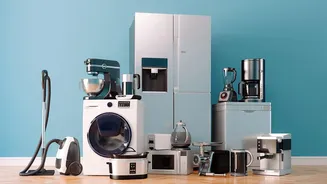
Appliances with motors, like refrigerators, air conditioners, and washing machines, are particularly vulnerable to both high and low voltage. For these, a voltage stabilizer is a more appropriate solution. Unlike a surge protector that only acts on sudden spikes, a stabilizer constantly monitors the incoming power. If the voltage is too low (a sag) or too high (a swell), the stabilizer adjusts it to a safe, consistent level before feeding it to your appliance. This continuous regulation prevents the strain and long-term damage caused by the frequent fluctuations common in many parts of India during the monsoon, ensuring your expensive white goods run optimally and their lifespan is extended.
Consider a Pre-Monsoon Electrical Check-Up
Prevention is always better than cure. Before the monsoon season fully sets in, it’s wise to have a licensed electrician inspect your home's wiring. They can check for old or frayed wires, ensure your earthing (grounding) is effective, and look for loose connections that could worsen under damp conditions. This is also a good time to ask about installing circuit protection devices like an MCB (Miniature Circuit Breaker) or an RCCB (Residual Current Circuit Breaker), which can automatically cut power in case of a fault, preventing shocks and fires. A professional can also advise on whole-house surge protection, which is installed at your main electrical panel to safeguard every outlet in your home.