






The Unique Canvas of Nilgiri Tea
To understand this delicious innovation, you first have to appreciate the tea itself. Nestled in the Western Ghats, the Nilgiri region produces a tea that is famously aromatic and brisk. Unlike the malty boldness of Assam or the complex muscatel notes
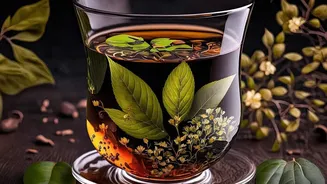
of Darjeeling, Nilgiri tea offers a cleaner, brighter profile. It has a natural fragrance with hints of fruit and flowers, and its low tannin content means it rarely becomes bitter. This balanced, smooth character makes it an ideal base for infusions. It doesn't overpower delicate additions; instead, it harmonises with them, creating a well-rounded flavour. This quality is precisely why it's a favourite for making iced teas, as it stays clear and vibrant when chilled.
A Move Away From Sugar
The rise of these fruit-infused teas is directly linked to a broader consumer shift towards healthier living. For years, the market for cold tea has been dominated by bottled iced teas, often loaded with refined sugars and artificial flavours. As people become more health-conscious, the demand for natural, low-calorie alternatives has surged. Artisanal tea makers are tapping into this by using the inherent sweetness of fruit to flavour their brews. By infusing tea with real fruit pieces, they deliver a rich taste experience without the need for added sugar, appealing to a generation that reads labels and values natural ingredients. This method stands in stark contrast to using sugary syrups or concentrates, offering a guilt-free way to enjoy a refreshing drink.
The Art of the Infusion
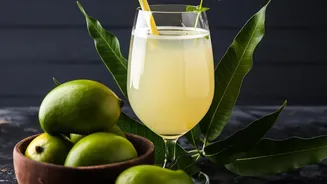
Creating the perfect fruit-infused Nilgiri tea is a delicate art. The process is far more sophisticated than simply dropping fruit into a cup. Artisans experiment with different techniques to extract the best flavours. Many use dried or freeze-dried fruits like mango, apple, and orange peel, which provide concentrated flavour and a longer shelf life. The choice of fruit is critical. Softer fruits such as berries, peaches, and mangoes are known to infuse their flavours more readily than harder fruits like apples. The method of brewing also plays a significant role. Cold brewing, where tea leaves and fruit are steeped in cold water for several hours, is a popular technique. This gentle process extracts the subtle sweet notes from both the tea and the fruit without drawing out any bitterness, resulting in an exceptionally smooth and refreshing beverage.
Perfect Pairings and Flavour Profiles
The versatility of Nilgiri tea allows for a wide spectrum of flavour pairings. Its natural floral and slightly spicy notes complement a variety of fruits. Citrus fruits like orange and lemon enhance the tea's inherent briskness, creating a zesty and invigorating brew. Stone fruits such as peaches and apricots lend a mellow sweetness that balances the tea's bright character. Indian brands are leading the way with creative combinations. You might find a Nilgiri green tea blended with mango and spearmint, or a black tea infused with strawberry and mint. Some makers even draw inspiration from Ayurveda, creating blends with hibiscus, pomegranate, and other botanicals for added wellness benefits. These thoughtful pairings are designed to create a complete sensory experience, from the aromatic scent to the layered taste and clean finish.