





First Steps: Visa and Eligibility
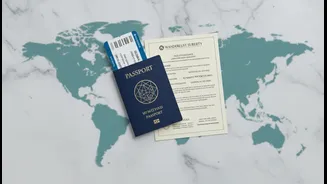
Before booking flights or packing bags, the first and most critical step is ensuring you have the correct visa for your trip to Australia. All non-Australian citizens need a valid visa to enter the country. For Indian travellers, there are several visa types
available, including tourist visas, student visas, and various work visas. It is essential to apply for the one that matches the purpose of your visit and to do so well in advance. Upon arrival, you will need to present a valid passport and your visa (which is usually electronically linked to your passport). Immigration officials will also ask you to complete an Incoming Passenger Card (IPC), a legal document that requires you to declare your travel details and anything you are bringing into the country. Ensuring your visa is in order is the non-negotiable first step to a successful trip.
The Golden Rule: When in Doubt, Declare It
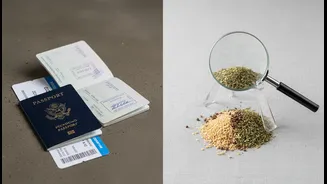
Australia has some of the world's strictest biosecurity laws to protect its unique environment and multi-billion dollar agricultural industry from foreign pests and diseases. For travellers, this means being completely honest about what you are bringing into the country. The most common mistake travellers make is failing to declare items, either intentionally or by accident. The rule is simple: if you are carrying any food, plant materials, or animal products, you must declare them on your Incoming Passenger Card. This applies to everything from commercially packaged snacks and spices to homemade sweets and pickles. You will not be penalised for declaring an item, even if it is not allowed into the country. An officer will simply inspect it and, if it's prohibited, dispose of it. The real trouble starts when you fail to declare.
What's in Your Bag? A Food Guide
Many Indian travellers enjoy bringing familiar tastes of home, but this is where many run into trouble. While commercially prepared and packaged items like biscuits, chocolates, and coffee are generally allowed, many other common items must be declared for inspection. This includes tea, spices, rice, nuts, and dairy products. Items like homemade pickles, sweets (such as burfi or rasgulla), fresh fruits, vegetables, and meat products are of high concern. Fresh items are almost always prohibited because they can carry pests or diseases. For example, fresh ginger with roots and soil, or fresh chilies, would be confiscated. The key is that even if an item is permitted, it must be declared. A biosecurity officer will make the final assessment. To be safe, keep all food items in their original, sealed packaging.
The Incoming Passenger Card Explained
The yellow Incoming Passenger Card (IPC) you receive on the flight is a crucial legal document. You must fill it out truthfully and completely in English. The card will ask specific questions about whether you are bringing in goods like food, wooden articles, or more than AUD 10,000 in cash. Answering 'Yes' to any of these will direct you to a specific lane for inspection. Do not be afraid of this lane. In fact, seasoned travellers report that declaring a minor, safe item (like a chocolate bar) can lead to a quicker, more straightforward inspection than going through the 'Nothing to Declare' line and being stopped for a random check. A digital version, the Australia Travel Declaration (ATD), is being trialled, but for now, most travellers will use the paper form.
The Serious Consequences of Non-Compliance
Making a false declaration can have severe consequences that go far beyond losing your favourite snacks. If you are caught with undeclared prohibited items, you can face on-the-spot fines. These penalties can be significant, potentially running into thousands of dollars. In more serious cases, particularly for deliberate concealment of high-risk items, the consequences can be much worse. Authorities have the power to cancel your visa on the spot, refuse you entry, and ban you from returning to Australia for up to three years. These strict measures are in place because a biosecurity breach could devastate Australian agriculture and ecosystems. Honesty is always the best, and safest, policy.