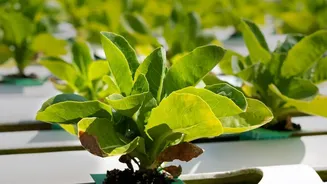


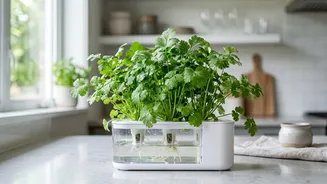
Imagine snipping fresh, aromatic dhaniya right in your kitchen, any time of year. Growing coriander without soil makes this a clean and simple reality, but there’s a secret to success: mastering the light your plants receive.
Why Go Soil-Free?
Growing coriander, or cilantro,
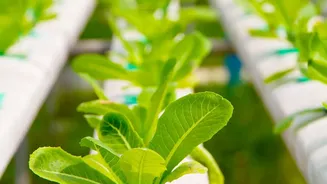
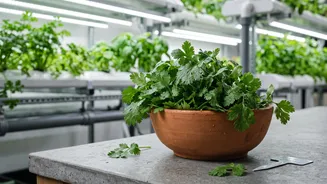
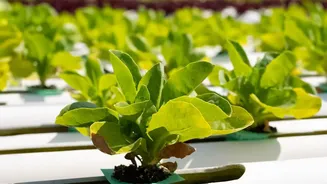
in a soil-free, hydroponic system offers incredible advantages for the home gardener. This method delivers water and nutrients directly to the plant's roots, often resulting in faster, more robust growth compared to traditional pots. It’s also a cleaner process, eliminating soil-borne pests and the general mess of indoor potting. For an herb like coriander, which is notoriously prone to 'bolting' (flowering prematurely) due to stress, the stable environment of a hydroponic setup can be a game-changer. By controlling factors like water and nutrients, you remove major stress triggers, significantly extending the time you can harvest those fragrant leaves.
The Critical Role of Consistent Light
While hydroponics solves the issues of water and nutrients, light becomes the single most important variable you need to manage. Coriander is a sun-loving herb that requires plenty of bright light to produce lush, flavourful leaves. A windowsill, especially during shorter winter days, often doesn't provide the intensity or duration needed for healthy growth. Insufficient light leads to weak, 'leggy' stems as the plant stretches desperately for a light source, resulting in sparse foliage and a disappointing harvest. Furthermore, inconsistent or overly long light periods can stress the plant, mimicking the long days of summer that signal it to bolt.
Choosing the Right Grow Lights
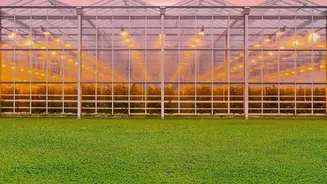
To provide the consistent light coriander craves, a dedicated grow light is your best investment. For herbs, full-spectrum white LED lights are the top choice. They are energy-efficient, produce very little heat that could scorch delicate leaves, and mimic the natural sunlight spectrum that plants need for photosynthesis. You don’t need a massive, industrial fixture; simple LED strips that fit under a cabinet or a screw-in grow bulb for a desk lamp are often sufficient for a small kitchen herb garden. The key is to choose a light that provides even coverage over your plants.
Perfecting Light Duration and Intensity
Consistency is everything. For leafy herbs like coriander, a light cycle of 12 to 16 hours per day is ideal. Using a simple outlet timer automates this process, ensuring your plants get the exact same amount of light every day without you having to think about it. This regularity helps keep the plant in its leafy, vegetative stage for longer. Position the lights about 6 to 12 inches above the plants. This distance ensures the light is intense enough without being too close. Too little intensity won't be enough to fuel growth, while too much can cause stress. Keeping the light period under 16 hours helps avoid triggering the plant's instinct to flower.
Beyond Light : Nutrients , Water , and Temperature
While light is paramount , a successful soil - free setup depends on a few other factors . Since there 's no soil , you must provide all the necessary nutrients in the water . Specially formulated hydroponic nutrient solutions are essential for this . Coriander is a relatively light feeder , so a general - purpose formula for leafy greens usually works perfectly . Maintaining a stable , cool temperature is also crucial . Coriander thrives in cooler conditions , ideally between $15$°C and $22$°C , as temperatures above $24$°C can trigger bolting . Simple hydroponic methods like the Kratky method (a passive system with no pumps) or a small Deep Water Culture (DWC) setup are excellent , low - maintenance options for beginners .