


The Underrated Power of Mouthfeel
We often focus on flavour, but texture is what makes a meal truly memorable. It is the sensory experience that keeps our palate engaged, preventing what chefs call “palate fatigue.” Our brains are wired to appreciate contrast; the interplay between a crispy
element and something soft and creamy is inherently satisfying. Think about a simple bowl of soup. It can be comforting, but adding crunchy croutons or toasted seeds turns it into a more dynamic experience. That textural variety is what we perceive as drama on the plate. A dish with multiple textures feels more complete and exciting, keeping you interested from the first bite to the last.
Embrace the Power of Char
One of the most effective ways to introduce texture is through high heat. Techniques like searing, roasting, and charring do more than just cook your food; they create flavour and a desirable crust. Charring, in particular, is a game-changer for simple vegetables. Cooking vegetables over a direct flame or under a broiler until they develop blackened spots creates a smoky flavour and a textural contrast between the blistered exterior and tender interior. This method goes beyond simple browning, which is caused by the Maillard reaction, and enters the realm of pyrolysis, where the high heat creates deep, complex, and slightly smoky notes without turning the food bitter. A charred capsicum or head of broccoli offers a completely different experience than its steamed counterpart.
Creaminess as a Counterpoint
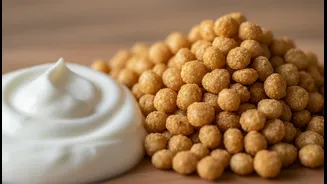
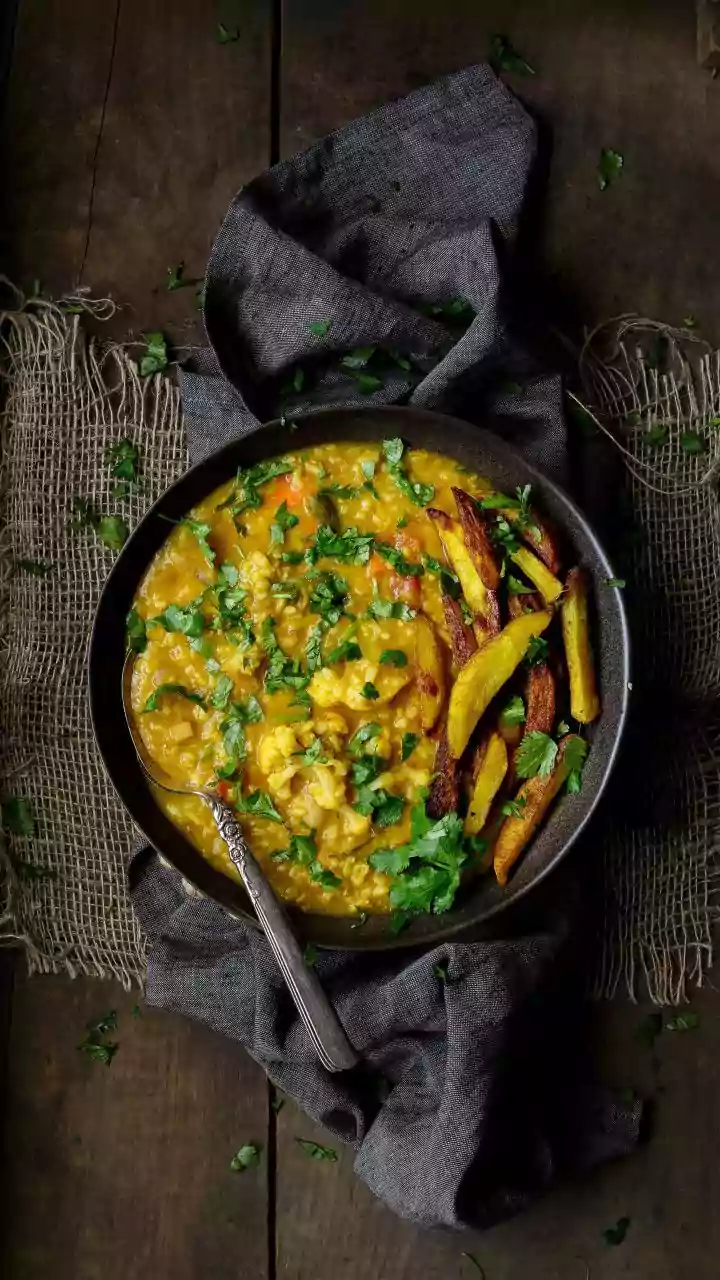
Drama is built on contrast, which means a powerful crunch needs an equally compelling soft element to play against. Creating pockets of creaminess can make a dish feel more luxurious and balanced. This doesn't require heavy creams or complicated sauces. A dollop of Greek yoghurt on a spicy dal, a smear of hummus under roasted carrots, or buttery pinto beans mashed into a silky base for a burrito bowl all provide a smooth, comforting foundation. These creamy elements serve to mellow intense flavours and provide a satisfying counterpoint to crispier components, making the entire dish more cohesive and enjoyable.
The Art of the Crunchy Topper
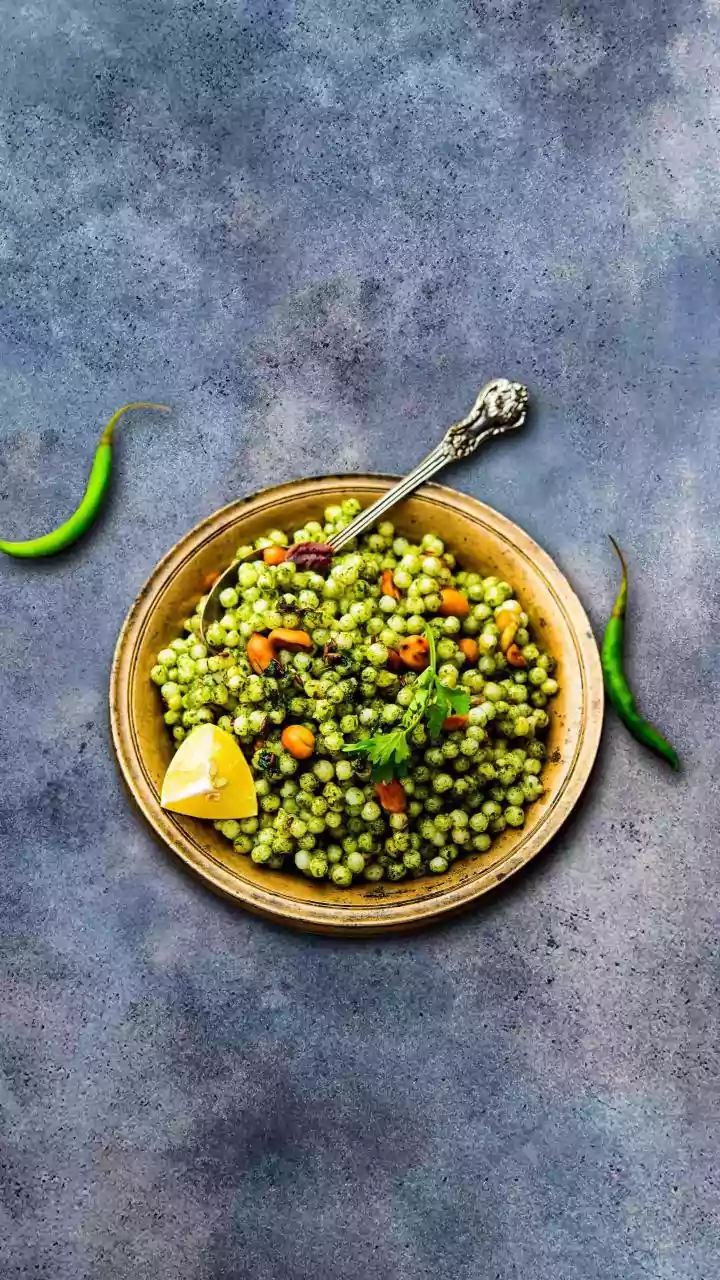
Perhaps the easiest and most versatile way to add textural drama is with a simple, crunchy garnish. These finishers can be prepared in minutes and instantly elevate a dish. Toasted breadcrumbs are a classic for a reason; fried in a pan with a little oil and garlic, they can be sprinkled over everything from pasta to roasted vegetables for an immediate hit of savoury crunch. Toasted nuts and seeds, like almonds, pistachios, or pumpkin seeds, add both crunch and a warm, nutty richness. Even something as simple as crispy fried onions or garlic can provide an intense burst of flavour and texture that makes a simple meal feel thoughtfully prepared. Keep a small container of a crunchy topping on hand, and you’ll find yourself using it on salads, soups, and grain bowls.
Layering Textures for the Full Effect
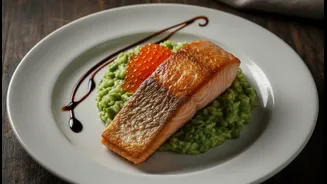
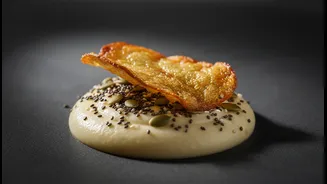
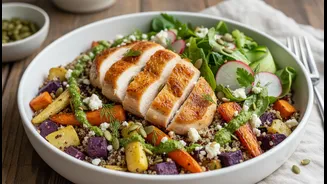
The final step is to think like a chef and layer these elements intentionally. A great dish often features a combination of textures working together. Start with a creamy base, like a purée or a smooth grain. Add your main ingredient, perhaps a tender-roasted vegetable or protein. Then, finish with a textural accent. Consider a salad that combines crisp greens, chewy grains, creamy cheese, and a sprinkle of toasted seeds. Each element brings its own unique feel, and together they create a complete sensory experience. This approach works for almost any meal. A simple baked potato becomes dramatic when topped with a dollop of sour cream, tender braised lentils, and a scattering of crispy onions.