




An Event Orchestrated by Nature
Before you picture a stage and a lineup like a typical music festival, it’s important to understand what the “Firefly Festival” really is. It’s not a singular, ticketed event organized by a promoter. Instead, it’s a name given to a breathtaking natural
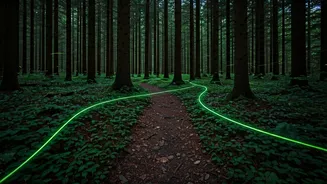
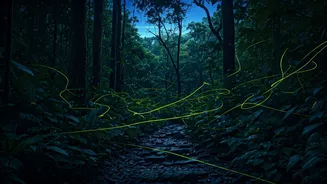
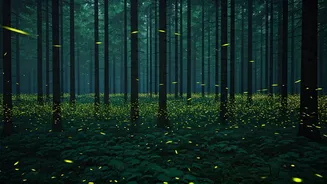
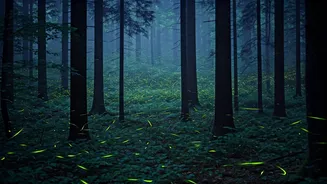
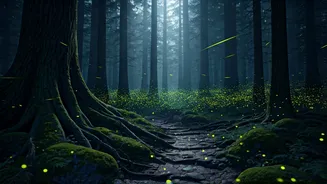
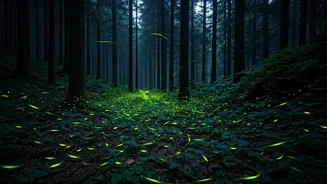
phenomenon that occurs for a few weeks every year, typically in late May and early June, in the forests of Maharashtra, a state in western India. Just before the heavy monsoon rains arrive, millions of fireflies emerge for their annual mating ritual. Dozens of local eco-tourism groups and trekking companies organize guided night walks and camping trips into specific areas where the fireflies congregate, marketing them collectively under the festival banner. The experience is less about a party and more about a quiet, profound immersion in nature’s own light show.
The Science of the Spectacle
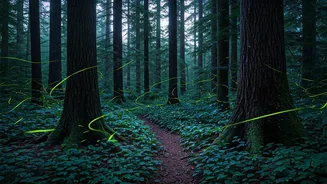
The magic filling the forests is pure biology. The dazzling display is a courtship dance on a massive scale. Male fireflies use their bioluminescence—a chemical reaction in their bodies that produces light without heat—to signal their desire for a mate. Different species have unique flashing patterns, creating a silent, pulsating symphony of light. In some areas, the fireflies even synchronize their flashes, a still-mysterious phenomenon that scientists believe may help the females better spot a potential partner. The sheer density of fireflies in these specific regions of India’s Western Ghats, a UNESCO World Heritage Site known for its rich biodiversity, turns entire valleys and forests into living constellations. The season is incredibly brief, lasting only until the first heavy monsoon showers wash the insects away, which adds to the urgency and allure.
A Journey into the Western Ghats
The epicenter of this phenomenon isn't a major city but a collection of rustic villages and remote forest reserves. Places like Purushwadi, Bhandardara, Rajmachi, and Panshet have become famous destinations for firefly tourism. Getting there often involves a drive from major cities like Mumbai or Pune, followed by treks into forested areas. The “trek” aspect is key; visitors don't just pull up in a tour bus. They walk along dark trails, guided by locals who know the terrain and the best viewing spots. The experience is often paired with camping or stays in simple village homestays, offering urban dwellers a rare escape and a connection to a more rustic way of life. This isn't a luxury vacation; it's an adventure built around witnessing a raw, unfiltered natural wonder.
Why Demand Is Off the Charts
The headline isn’t hyperbole. The treks sell out, and they sell out fast. This intense demand is fueled by a perfect storm of factors. First, the rise of social media has turned a once-local secret into a globally recognized bucket-list item, with stunning photos and videos going viral each year. Second, there's a growing appetite, both locally and internationally, for unique, eco-conscious travel experiences over packaged resort holidays. Finally, and most importantly, there's limited capacity. To protect the fireflies' fragile habitat and ensure the insects are not disturbed by excessive light and noise pollution, tour operators and forest authorities must limit the number of visitors. This responsible approach means that demand will always far outstrip supply, making a spot on one of these treks a highly coveted prize for nature lovers.