







The Dark Side of a Damp Paradise
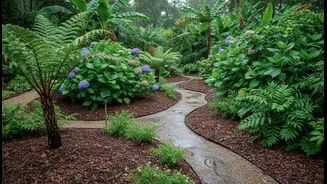
The Indian monsoon is a magical time. It turns the landscape a vibrant green and coaxes rapid growth from our gardens. However, this season of abundance also brings unique challenges. The constant moisture, high humidity, and reduced sunlight create a perfect
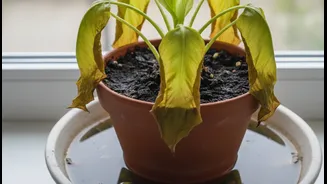
breeding ground for fungal diseases and pests. While rain provides essential water, too much of a good thing can lead to waterlogged soil and stressed plants, making them more vulnerable to attack. Many gardeners find their thriving plants suddenly showing signs of distress like yellowing leaves, mushy stems, or powdery patches, often due to the conditions fostered by the season itself.
The Perils of Overcrowding
One of the biggest mistakes gardeners make during the monsoon is allowing plants to become overcrowded. When plants are packed too tightly, air cannot circulate freely between them. This traps moisture on leaves and stems for extended periods, creating an ideal environment for fungal diseases like powdery mildew, downy mildew, and leaf spot to flourish. Crowded plants compete for limited sunlight, causing them to grow weak and spindly. This combination of low light, poor air circulation, and constant dampness is a recipe for disaster, turning a dense, lush-looking balcony or garden into a hotspot for pests and diseases that can spread rapidly from one plant to another.
Give Them Breathing Room
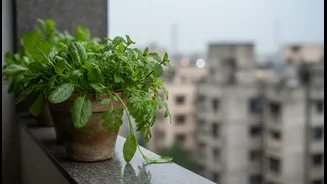
The solution is simple yet effective: give your plants space. Proper spacing is one of the most powerful tools in your monsoon plant care arsenal. Ensure there are at least a few inches between pots to allow air to move freely around the entire plant. This helps foliage dry more quickly after a downpour, significantly reducing the risk of fungal infections. You can also elevate pots on stands or bricks. This not only improves airflow underneath the pots but also helps with drainage, preventing the dreaded waterlogging that leads to root rot. Grouping plants with similar watering and light needs can also help you manage them more effectively.
The Art of a Well-Timed Trim
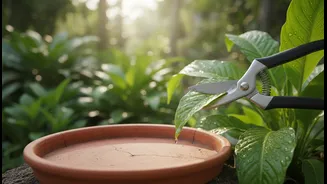
Pruning is not just about aesthetics; it's a vital health practice, especially before and during the monsoon. Trimming away dense, overgrown branches and excessive foliage opens up the plant's structure, dramatically improving air circulation through its canopy. Focus on removing any dead, diseased, or weak branches, as these are often the first entry points for infection. Thinning out the interior of a plant allows more light to penetrate, promoting stronger, healthier growth from within. A good trim before the heavy rains begin can prepare your plants to withstand the damp conditions, making them less susceptible to the diseases that thrive in stagnant, humid air.
Beyond Spacing: A Holistic Approach
While providing space is key, combine it with other smart monsoon habits. Ensure every pot has excellent drainage holes to let excess water escape. Loosen the top layer of soil periodically to prevent it from becoming compacted by heavy rain, which helps aeration. Water only when necessary; the rain will do most of the work for you. Check the soil moisture an inch or two deep before reaching for the watering can. Finally, regularly inspect your plants for early signs of trouble, like spots on leaves or wilting, and remove any affected parts immediately to prevent diseases from spreading.