




The Allure of the Flawless Catalogue
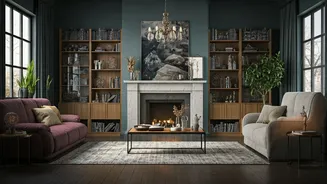
There's an undeniable pull to the glossy pages of an interior design catalogue. Every room is immaculate, every object perfectly placed, and every color palette harmoniously balanced. These images sell more than just furniture; they sell an aspirational
lifestyle of calm, order, and sophistication. For years, design has been driven by this ideal of perfection, leading many to seek a 'catalogue-perfect' look. The result is often spaces that are technically beautiful but emotionally vacant. They are designed to be universally appealing, which means they are rarely deeply personal. While designers are moving away from this uniform aesthetic, the temptation to replicate a showroom remains strong for many homeowners.
Why Your Brain Craves the Personal Touch
Our homes are more than just physical structures; they are extensions of our identity. Research in environmental psychology suggests that personalizing our space is crucial for our well-being. When we are surrounded by objects that hold meaning—family photos, travel souvenirs, or artwork that speaks to us—we foster a deeper sense of belonging and emotional connection. This act of personalization transforms a house into a home, creating a sanctuary that reduces stress and increases life satisfaction. This is the core idea behind the 'dopamine decor' trend, which encourages people to fill their homes with things that genuinely make them happy, regardless of passing trends.
Defining Your 'Personal Corner'
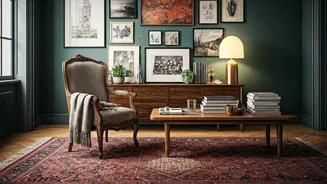
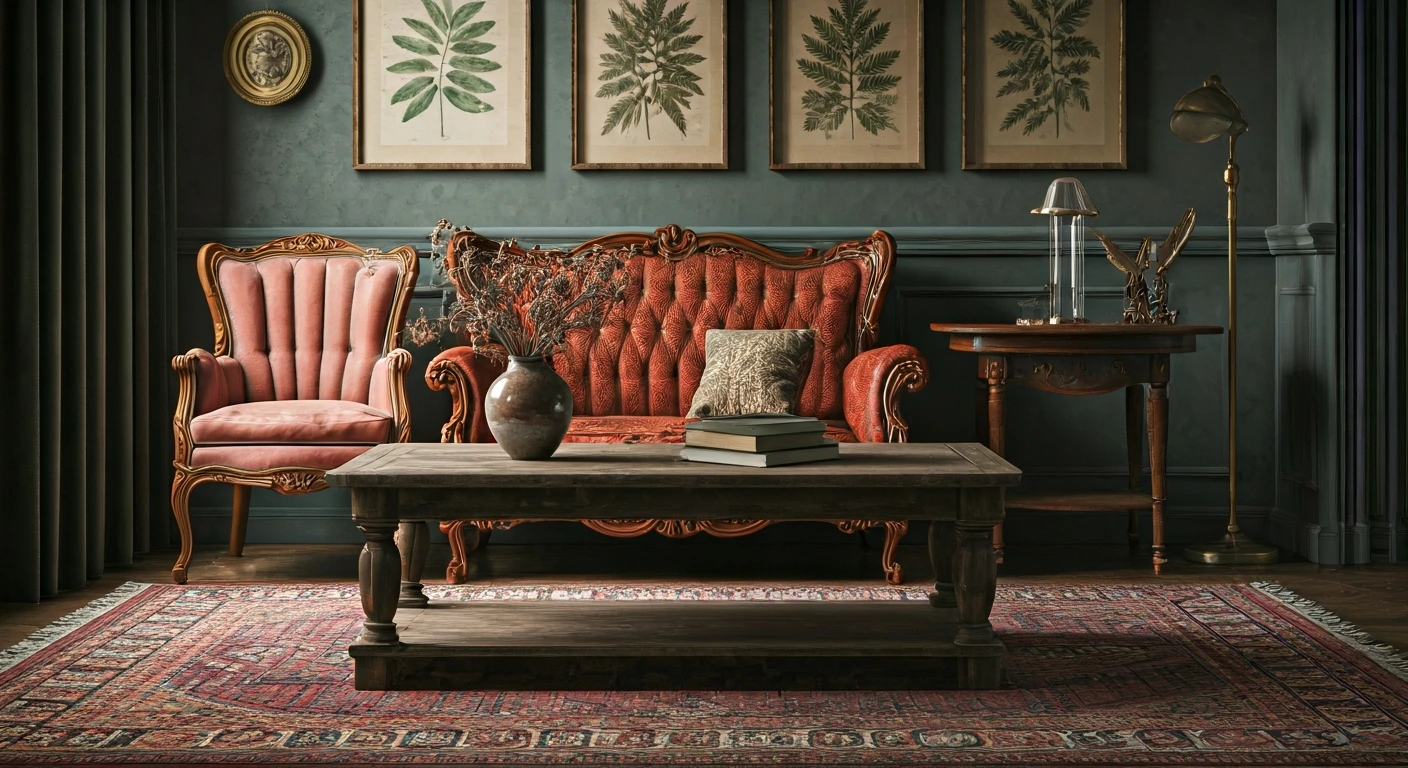
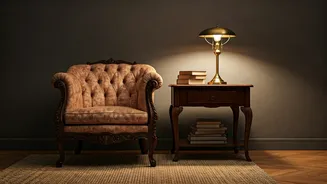
A personal corner isn't about creating clutter. It is about intentional curation. It's a small, dedicated space that serves as a physical representation of your passions and history. This could be a cozy reading nook with a comfy armchair, a soft blanket, and a shelf for your favourite books. It might be a mini art gallery on a wall, mixing professional prints with your children's drawings or framed ticket stubs from a memorable concert. Even a simple plant stand with greenery you've nurtured or a small table for your morning coffee can become a cherished spot. The goal is to create a small vignette that tells a story and brings you joy every time you see it.
How to Uncover Your Home's Story
Creating a personal space begins with self-reflection, not another trip to the store. Start by doing a 'joy audit': walk through your home and identify what you already own that sparks a happy memory. Think about your hobbies, your travels, and your family. What objects represent those parts of your life? Maybe it's a collection of sea glass from a beach vacation or your grandmother's old teapot. Instead of hiding these items away, find a way to display them. You don't need a massive budget; some of the most meaningful pieces are found, inherited, or created. The process itself—the act of choosing and arranging—builds an emotional investment in your space, making it feel truly yours.
Beyond the Trend Cycle
Chasing trends is an exhausting and often wasteful cycle. What feels fresh and new one year can feel dated and impersonal the next. A home built on personal style, however, is timeless. It evolves with you, reflecting your journey rather than the whims of the market. By focusing on what you genuinely love, you create a sustainable and authentic environment that doesn't require constant updates. A curated space filled with your story will always feel more luxurious and comforting than one assembled from a checklist of current trends. Authenticity, after all, never goes out of style.