




The Annual Ticket Scramble
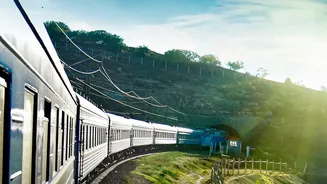
Every year, millions of people travel across India to celebrate Diwali and Chhath Puja with their families, creating an unprecedented travel rush. This mass movement, concentrated over a few short weeks, puts immense pressure on the Indian Railways network,
which remains the backbone of long-distance travel for most. Tickets on popular routes, especially those connecting major cities like Mumbai, Delhi, and Bengaluru to states like Uttar Pradesh and Bihar, are often fully booked within minutes of opening. This leaves countless travellers on long waitlists, anxiously hoping for a confirmation that may never come. Understanding this predictable chaos is the first step toward finding a viable solution.
Your First Stop: Special Festival Trains
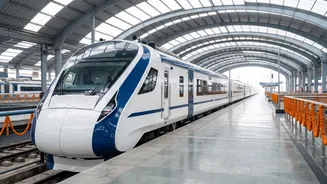
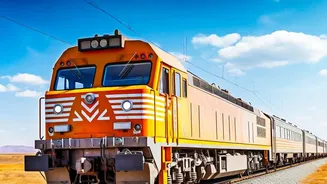
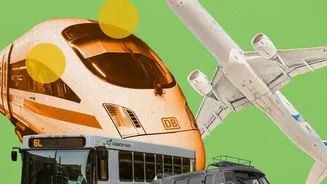
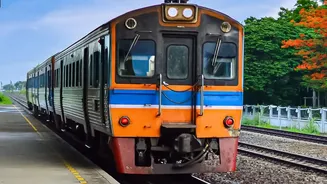
Indian Railways is aware of the massive demand and responds by announcing hundreds of 'Festival Special' or 'Puja Special' trains. For 2026, both Northern and Central Railways have announced a significant number of additional services to manage the rush. These trains often cover high-demand routes, such as those connecting Delhi, Mumbai, Chandigarh, and Bengaluru to destinations like Varanasi, Patna, Gorakhpur, and Ayodhya. Bookings for these special services, which run from October through November, open closer to the travel dates and can be made via the IRCTC website and PRS counters. While fares may be slightly higher than regular trains, they offer a crucial first line of defence against the waitlist.
The Reliable Fallback: Intercity Buses
When train seats are gone, the national highways come to the rescue. Intercity buses are perhaps the most reliable backup option. A vast network of both government-run and private bus operators connects nearly every corner of the country. Modern Volvo, sleeper, and AC buses offer a comfortable alternative for overnight journeys. Booking platforms like redBus and zingbus make it easy to compare prices, timings, and bus types. For popular festival routes, it's wise to book bus tickets at least two to four weeks in advance, as even these can sell out. One smart strategy is to book your return ticket at the same time as your outbound one, as return journeys on the Monday after a festival weekend are often the first to become unavailable.
Look to the Skies: Flights for Longer Distances
For longer journeys, flying is the fastest option, though it typically comes at a higher cost. During the Diwali season, airfares can surge, with last-minute bookings sometimes costing two or three times the standard price. However, with some planning, you can find reasonable deals. Experts suggest booking flights 60 to 90 days in advance for the best prices. If you've missed that window, try to be flexible with your travel dates. Flying a few days before the peak rush or even on the day of Diwali itself can be significantly cheaper. Also, consider flying into a nearby, smaller airport and completing the rest of the journey by road to avoid congestion and higher fares at major hubs.
On the Road: Car Rentals and Carpooling
For those who value flexibility, renting a car offers complete control over your travel schedule. Services from companies like Urban Cruise and Uma Mobility offer a range of vehicles, from sedans to SUVs, suitable for families and groups. You can choose between self-drive and chauffeur-driven options, depending on your comfort with driving long distances in festive traffic. Carpooling is another cost-effective and social alternative. Apps like Quick Ride connect you with others travelling along the same route, allowing you to share the ride and the cost. This not only saves money but also reduces the number of vehicles on congested highways.