






The Monsoon Spectacle
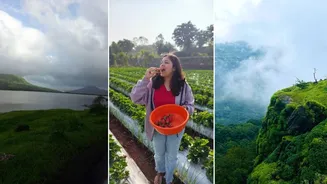
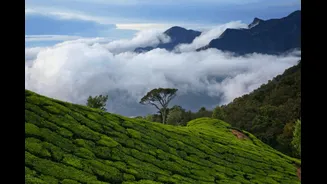
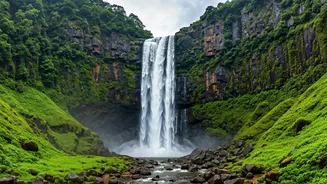
Every year, from June to September, the Sahyadri mountain range undergoes a dramatic transformation. The parched summer landscape gives way to lush, dense greenery, and hundreds of temporary waterfalls burst forth from the rocky cliffs. For residents
of Mumbai, Pune, and Nashik, a drive through the ghats becomes an essential weekend ritual. The cool, misty weather and the breathtaking sight of water tumbling down mountainsides provide a much-needed escape from city life. Popular routes like those through Malshej Ghat, Lonavala, and Igatpuri become magnets for tourists seeking to immerse themselves in nature's raw power and beauty.
Popular Hotspots, Peak Beauty
Several ghat sections are particularly famous for their monsoon allure. Malshej Ghat is renowned for its numerous waterfalls that pour directly onto the road, creating a surreal, drive-through experience. The twin hill stations of Lonavala and Khandala are legendary, with spots like Bhushi Dam and Tiger Point drawing massive crowds. Further north, the Kasara and Igatpuri ghats offer their own stunning vistas. Each location presents a unique combination of verdant valleys, dense fog, and powerful cascades. The sensory experience—the smell of wet earth, the roar of water, and the cool spray on your face—is what makes these journeys so memorable for thousands of visitors.
The Perils Amidst the Picturesque
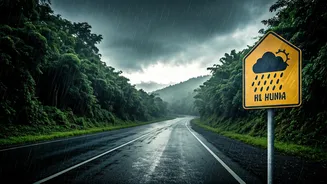
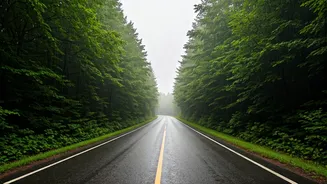
This beauty, however, is not without significant danger. The same rains that create the spectacle also lead to treacherous road conditions. Slippery tarmac, poor visibility due to dense fog, and the constant threat of landslides are major concerns. In recent years, incidents of tourists being swept away by sudden flash floods at waterfalls have become tragically common. Authorities frequently warn against stopping vehicles at unsafe locations along the narrow ghat roads, as this not only creates traffic jams but also puts people at risk from falling debris or other vehicles struggling with the poor conditions. The allure of a perfect selfie near a waterfall's edge has often led to fatal accidents, prompting officials to increase vigilance.
Official Advisories and Restrictions
In response to these risks, authorities have implemented strict measures. For the 2026 monsoon season, several popular tourist spots have seen restrictions. Entry into the water at places like Bhushi Dam in Lonavala is often prohibited to prevent drownings. Following landslides, sections of Malshej Ghat have previously faced temporary bans on tourists stopping their vehicles to take pictures, with police deployed to ensure compliance. The India Meteorological Department (IMD) has issued alerts for heavy to extremely heavy rainfall in the ghat areas of Madhya Maharashtra for early July. Travellers are strongly advised to check for the latest advisories from local district administrations and police before planning any trip. Certain trekking routes and sanctuary roads, like those in the Tamhini Wildlife Sanctuary, are confirmed to be closed between July and September 2026.
A Traveller’s Safety Checklist
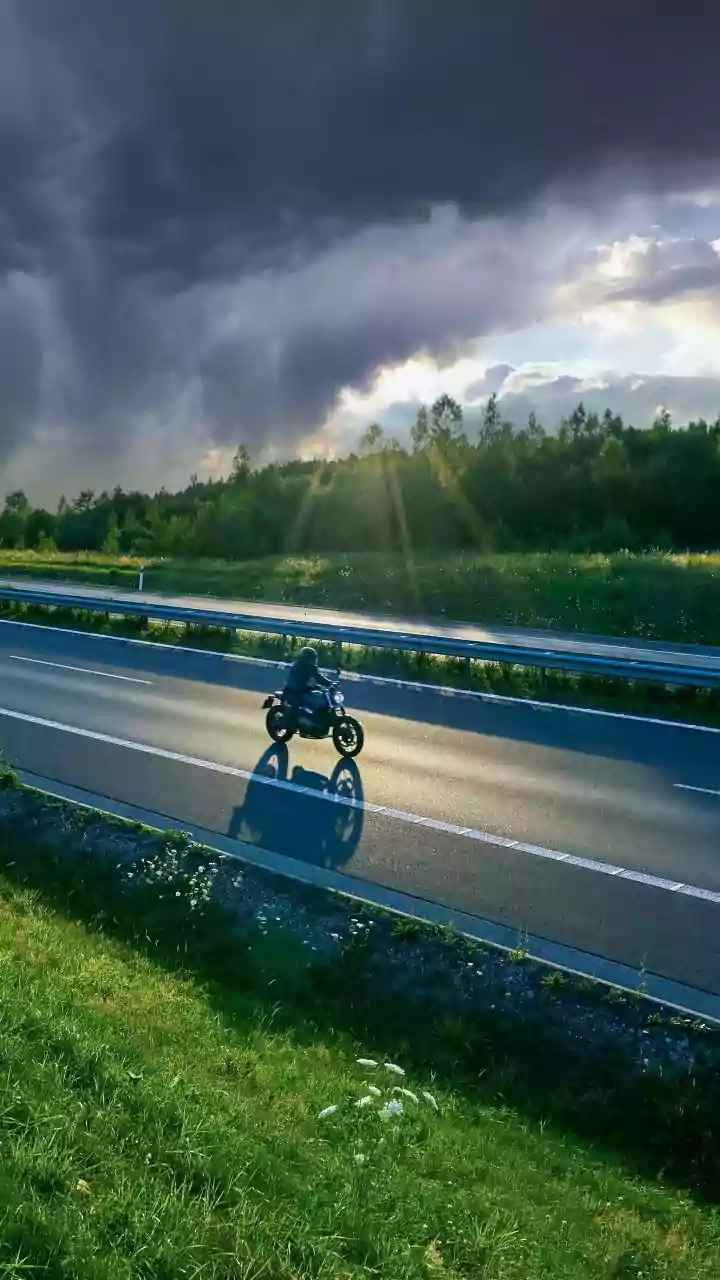
Enjoying the ghats responsibly is key to a safe and enjoyable trip. Before you leave, check the latest weather forecasts and road advisories. Ensure your vehicle is in excellent condition, with special attention to tyres, brakes, and wipers. While driving, maintain a slow speed, keep your headlights on in fog or heavy rain, and avoid sudden braking. Never stop your vehicle in the middle of the road or under a rocky overhang. When visiting waterfalls, stay a safe distance from the water's edge, as flows can increase suddenly and without warning. Wear footwear with a good grip, as rocks and paths become extremely slippery. Finally, avoid travelling during red or orange alerts issued by the weather department.