







Rethink Your Commute
Navigating city streets during a downpour is a major challenge. Waterlogging can turn a short trip into a lengthy ordeal and pose serious risks to your vehicle and safety. Before stepping out, check real-time traffic updates and waterlogging reports on
navigation apps. If possible, delay non-essential travel. For those who must travel, public transport might be a safer bet than personal vehicles. If you do drive, ensure your car's tyres have adequate tread and brakes are in good condition. Driving through flooded streets is best avoided, as even six inches of moving water can cause a vehicle to lose control. [21] If you must cross a waterlogged area, drive slowly in a low gear through the center of the road where the water is often shallowest, and gently tap your brakes afterward to dry them out. [14, 28, 30]
Prioritise Health and Hygiene
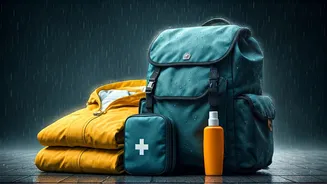
The monsoon is a breeding season for a host of diseases. [6] High humidity and stagnant water create ideal conditions for mosquitoes, which spread illnesses like dengue, malaria, and chikungunya. [3, 8] To protect yourself, use mosquito repellents, wear full-sleeved clothing, and ensure there's no stagnant water collecting in or around your home—in coolers, flower pots, or discarded containers. [9, 19] Waterborne diseases such as cholera, typhoid, and gastroenteritis are also common due to the contamination of water sources. [5, 6] It's crucial to drink only boiled, filtered, or bottled water. [9, 17] Personal hygiene is paramount; wash your hands frequently with soap, especially before meals, and keep your feet clean and dry to prevent fungal infections. [16]
Safeguard Your Home and Electronics
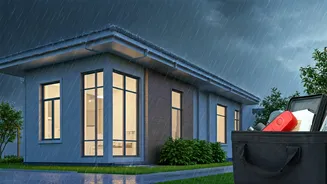
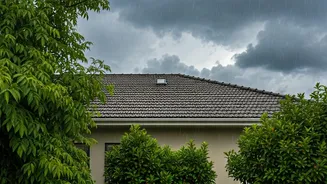
Heavy rains can expose vulnerabilities in our homes. Before the worst of the weather hits, conduct a quick check for any cracks in the walls or ceiling that could lead to leaks. Clear out clogged drains and ensure rainwater pipes are free of debris to prevent water from accumulating on your roof or balconies. Electrical safety is another key concern. Power cuts are frequent, so keep power banks charged and have emergency lights or candles handy. Protect expensive electronics from unpredictable power surges by using a surge protector. High humidity can also damage devices, so consider using silica gel packs in storage areas to absorb excess moisture.
Eat and Drink Smart
Food safety becomes particularly important during the monsoon. The high moisture in the air can cause food to spoil faster. [5] Health experts advise against consuming street food, which may be prepared with contaminated water or exposed to flies. [17, 19] Opt for fresh, home-cooked meals. [9] Thoroughly wash all fruits and vegetables with clean water before consumption. [19] It's also a good time to focus on boosting your immunity. Incorporate immunity-boosting foods rich in Vitamin C into your diet and stay well-hydrated with warm beverages and clean water. [10, 16]
Stay Informed and Connected
Information is your best defense during extreme weather. Keep track of weather forecasts from reliable sources like the India Meteorological Department (IMD). [10, 25] Recent reports have highlighted a delayed and erratic monsoon in some regions, leading to both intense downpours and water shortages. [15] Knowing the forecast can help you plan your days better and avoid being caught in a dangerous situation. Save emergency contact numbers on your phone and ensure it's always charged. In case of severe weather warnings, follow advisories issued by local authorities and avoid venturing into areas prone to flooding or landslides. [21]