








The artificial intelligence gold rush has hit a significant speed bump. After a breathtaking surge, AI-related stocks have experienced a sharp retreat, forcing a market-wide reality check away from pure hype and toward a harder question: what is the true
cost of this revolution?
From Unstoppable Boom to Sobering Correction
Until recently, the AI trade felt like a one-way bet. Companies at every layer of the ecosystem, from chip designers like Nvidia to cloud giants and AI-native startups, saw their valuations soar. For much of the past two years, any announcement of new AI capacity was met with investor enthusiasm, seen as proof of future demand. That momentum came to an abrupt halt in early November 2026. A sharp, broad-based sell-off hit the tech sector, with AI-related stocks at its epicenter. The tech-heavy Nasdaq entered correction territory, losing trillions in market value in a matter of days. The iShares Semiconductor ETF, a proxy for the chip industry powering the AI boom, saw its worst day in years. This wasn't just nervous profit-taking; it signaled a fundamental shift in investor sentiment.
The Staggering Price of Intelligence
The core reason for the market's sudden anxiety is the colossal and ever-growing cost of building the AI future. For a long time, as long as share prices were climbing, the immense capital expenditure required was a secondary concern. Now, it's front and center. The debate has moved beyond whether AI products will be useful to who will pay for the gear, how quickly revenue will arrive, and whether companies can earn acceptable returns on their massive investments. Companies like Meta, Microsoft, and Alphabet have committed to spending hundreds of billions of dollars on AI infrastructure, from specialized processors and networking hardware to the data centers that house them. In some cases, this spending has outpaced operating cash flow, forcing companies to dip into reserves or take on debt to fund their AI ambitions.
A Thirst for Power, Parts, and People
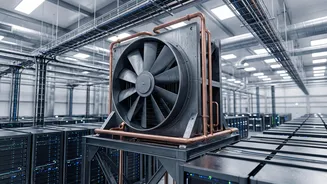
The costs of AI expansion are multifaceted. The most visible expense is for hardware, particularly the advanced GPUs from firms like Nvidia that are essential for training large models. But the spending doesn't stop there. Building and operating massive data centers requires enormous amounts of electricity for processing and cooling, raising both financial and environmental concerns. Opposition to new data centers is growing in some regions due to their strain on local power grids and water resources. Beyond infrastructure, there is the human cost. The race for talent is fierce, with top AI specialists commanding salaries well into the six figure range, adding another significant operational expense for companies looking to innovate. These combined costs mean even a simple enterprise AI project can run from tens of thousands to millions of dollars.
Investors Demand a Path to Profit
The market pullback indicates that investors are no longer satisfied with growthatanycost narratives. The new focus is on financial sustainability and a clear path to profitability. Analysts are drawing sharper lines between companies that can fund AI development from their own strong cash flow and those that can't. The question has shifted from 'How much are you spending on AI?' to 'What is the return on that spending?'. The market is undergoing a 'price discovery' process, trying to accurately value the future returns from these unprecedented investments. This shift is also affecting the IPO market, with highly anticipated listings like Anthropic's potentially facing valuation challenges in a more skeptical environment. Startups that rely on venture capital may find it harder to raise funds as investors become more discerning.
A Maturing Market, Not a Collapse
While the selloff has been jarring, most analysts do not see it as the end of the AI revolution. Instead, it's being interpreted as a necessary market correction and a sign of a maturing industry. The 'easy money' phase, where any company with 'AI' in its pitch could attract capital, appears to be over. The boom was fueled by what UBS CEO Sergio Ermotti called expectations of 'perfection', and the correction is a reaction to that excessive optimism. The underlying demand for AI compute and services remains strong. However, the investment landscape has changed. The focus is now on quality companies with strong balance sheets, sustainable business models, and a demonstrated ability to turn massive capital outlays into tangible profits. The era of AI hype is giving way to an era of execution.