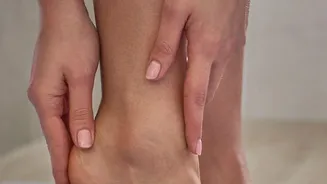








Why Monsoon Is a Risky Season for Feet
Fungi thrive in warm, dark, and moist environments. The Indian monsoon provides all three in abundance. When your feet are trapped in damp socks and closed shoes for hours, or you walk through waterlogged streets, the skin's natural protective barrier
weakens. This prolonged exposure to moisture makes the skin soft and vulnerable, allowing fungi that cause conditions like Athlete's Foot (tinea pedis) to take hold. Contaminated rainwater and high humidity further increase the risk, leading to common symptoms like itching, peeling skin, and an unpleasant odour.
The Golden Rule: Keep Your Feet Dry
The single most important step in preventing fungal infections is to keep your feet as dry as possible. As soon as you get indoors after being out in the rain, remove wet footwear and socks. Wash your feet with mild soap and water, then dry them meticulously with a clean towel, paying special attention to the often-neglected spaces between your toes where moisture loves to hide. If you are prone to infections, consider using an antifungal or talcum powder daily to absorb excess moisture and sweat.
Choose Your Footwear Wisely
Your choice of shoes can make a huge difference. Whenever possible, opt for open, breathable footwear like sandals or flip-flops that allow water to drain and air to circulate. If you must wear closed shoes for work or other activities, choose materials that are either waterproof or quick-drying, such as rubber or certain synthetic fabrics. Avoid leather and suede, as they absorb water and take a long time to dry, creating a haven for germs. It's also a great practice to have at least two pairs of everyday footwear and rotate them, giving each pair 24 to 48 hours to dry out completely before you wear them again.
A Simple Daily Foot Care Routine
Incorporating a few habits into your daily routine can offer powerful protection. Always wear clean, dry socks, preferably made of moisture-wicking materials like cotton. If your socks get wet during the day, change them as soon as possible. Keeping your toenails trimmed short and clean helps prevent dirt and fungi from accumulating underneath them. At the end of the day, wash your feet thoroughly and inspect them for any early signs of trouble, like redness, cracks, or blisters. Finally, never share towels, socks, or footwear, as this can easily spread infections.
Identifying the Early Signs of Infection
Catching a fungal infection early makes it much easier to treat. Be on the lookout for persistent itching, especially between the toes, right after you take off your shoes. Other common signs include peeling, scaling, or cracked skin. You might also notice redness, a slight burning sensation, or white, soggy-looking skin in the web spaces of your toes. A persistent, unpleasant foot odour that doesn't go away after washing can also signal a fungal or bacterial issue.
When to See a Doctor
While many mild fungal infections can be managed with over-the-counter antifungal creams or powders, some situations require professional medical advice. You should consult a doctor if the rash doesn't improve after two weeks of self-treatment, if it spreads, or if it becomes very painful. Signs of a more serious secondary bacterial infection, such as pus, significant swelling, and fever, warrant immediate medical attention. Individuals with diabetes should be particularly cautious and seek professional care for any foot wound or infection, as even minor issues can lead to serious complications.