






Turmeric: The Golden Healer
A staple in every Indian kitchen, turmeric becomes even more essential during the monsoon. Its power lies in curcumin, an active compound with potent anti-inflammatory and antioxidant properties. This helps your body fight off the germs and viruses that
thrive in the damp weather, strengthening your immune system against common colds and flu. According to health experts, regularly including turmeric in your diet can bolster your body's defenses. For maximum benefit, it's often recommended to pair turmeric with a pinch of black pepper, which significantly improves the absorption of curcumin. A warm glass of 'haldi doodh' before bed is a timeless remedy, but you can also simply be more generous with it in your daily dals and curries to keep infections at bay.
Ginger: The Digestive Aid
When the digestive system feels sluggish due to high humidity, ginger comes to the rescue. Widely used for its ability to soothe an upset stomach and combat nausea, ginger is a non-negotiable monsoon ingredient. It contains gingerol, a compound known for its ability to reduce inflammation and fight microbial infections. Adding fresh ginger to your morning tea or grating it into soups and meals can stimulate digestive enzymes, making food easier to process. This warming spice not only aids digestion but is also a classic remedy for sore throats and coughs, making it a powerful ally throughout the rainy months.
Moong Dal: The Light Protein
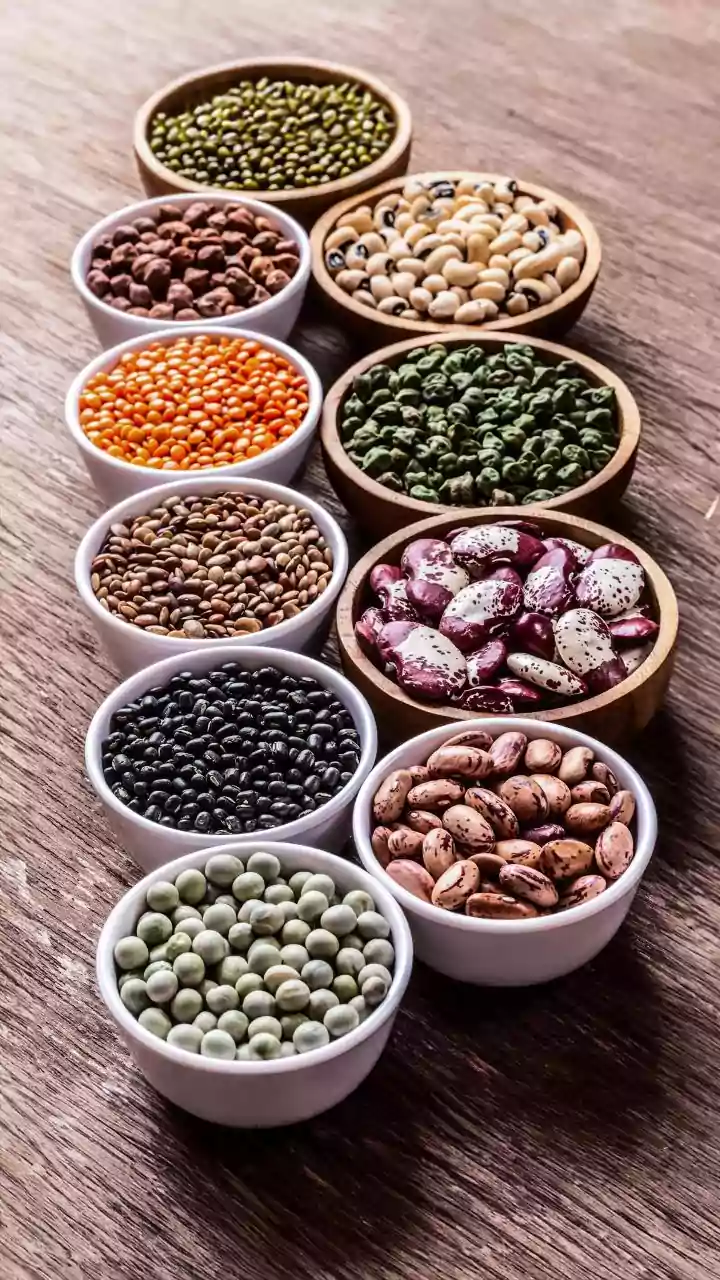
During the monsoon, Ayurveda advises eating foods that are light and easy to digest, and moong dal fits this description perfectly. It is considered one of the most digestible legumes, providing high-quality plant-based protein without overburdening the gut. Moong dal is rich in fibre, which helps regulate bowel movements and prevent common digestive issues like bloating. Its anti-inflammatory properties can also soothe the gut lining. Whether prepared as a simple dal, a nourishing soup, or the ultimate comfort food, khichdi, moong dal provides sustained energy while being gentle on a sensitive monsoon stomach.
Pears (Nashpati): The Fibrous Fruit
While many advise caution with raw foods, certain seasonal fruits are highly recommended, and the humble pear is a star performer. Pears are packed with vitamins and antioxidants that help bolster the immune system. More importantly, they are an excellent source of dietary fibre, which is crucial for maintaining smooth digestion when the body's metabolism tends to slow down. Unlike some other fruits, pears are generally considered a safer choice during this season and are easy on the stomach. They provide necessary hydration and nutrients without the risks associated with water-heavy fruits that can be harder to digest.
Bitter Gourd (Karela): The Protective Vegetable
Its strong flavour might not be for everyone, but bitter gourd is a powerhouse of health benefits that are particularly useful in the monsoon. Traditionally favoured during this season, it is loaded with essential vitamins and has potent antiviral properties. This helps in protecting the body against infections and keeping the skin healthy, which can be prone to breakouts in the humid weather. Ayurvedic principles suggest that bitter foods help maintain good digestion and regulate blood sugar levels. Including bitter gourd in your diet, perhaps in a stir-fry with balancing spices, can provide a protective boost to your system when it needs it most.