




Hoi An: The World-Famous Lantern Town
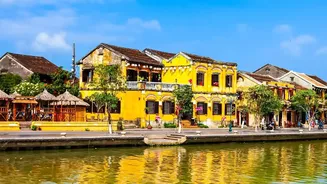
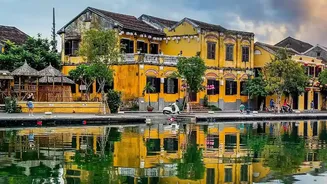
Hoi An Ancient Town is the undeniable jewel of Vietnam's central coast, a UNESCO World Heritage site that feels like stepping into a living museum. Once a bustling international trading port from the 15th to the 19th century, its streets are a stunning
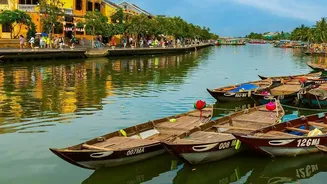
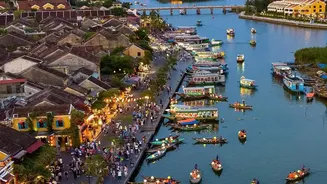
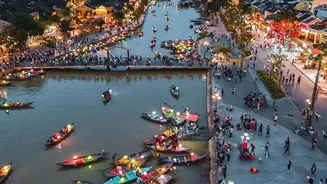
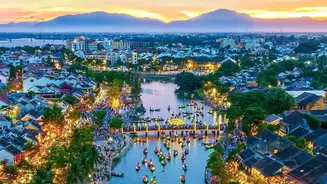
blend of Japanese, Chinese, and French-colonial influences. The iconic, canary-yellow walls of the merchant houses, many of which are hundreds of years old, create a picture-perfect backdrop. The heart of the town is the 17th-century Japanese Covered Bridge, a beautiful structure built by the Japanese community to connect with the Chinese quarter. By day, you can explore the preserved old houses, like the Tan Ky Old House, and the ornate Chinese assembly halls. As dusk falls, the town transforms into a fairytale landscape. Thousands of colourful silk lanterns illuminate the streets and the Thu Bon River, where you can take a boat ride and release a paper lantern for good luck. The best time to experience this is during the monthly full moon lantern festival, but any evening in Hoi An feels magical.
Da Nang: Modern City with Ancient Roots
Often seen as a gateway to Hoi An, Da Nang is a vibrant, modern city with its own deep historical layers worth exploring. While known for its contemporary marvels like the fire-breathing Dragon Bridge, Da Nang’s history is etched into its surroundings. Just south of the city, the Marble Mountains are a cluster of five limestone and marble hills, each named after one of the five elements. These mountains are home to a network of caves, tunnels, and pagodas, offering both a spiritual retreat and stunning views of the coastline. For a deeper dive into the region's ancient history, the Museum of Cham Sculpture is essential. It houses the world's largest collection of art from the Champa Kingdom, an Indianized civilization that flourished in central Vietnam for centuries. The intricate sandstone carvings of Hindu deities provide a fascinating glimpse into a culture that predates many of the more famous historical sites in the area.
Quy Nhon: Off-the-Beaten-Path History
For travelers looking to venture beyond the main tourist trail, Quy Nhon offers a compelling mix of beautiful, uncrowded beaches and significant historical sites. This coastal city in Binh Dinh province was once a centre of the Champa Kingdom. The most accessible of these remnants are the Thap Doi (Twin Towers), 12th-century Cham towers located right in the city. A short drive away, the Banh It Towers stand majestically on a hilltop, offering panoramic views of the countryside. Quy Nhon is also intrinsically linked to the Tay Son dynasty of the 18th century. The Quang Trung Museum, dedicated to Emperor Quang Trung, is a must-visit to understand the region's heroic martial history and its importance in the unification of Vietnam. This combination of ancient Cham ruins and later Vietnamese history makes Quy Nhon a rewarding destination for those who want to experience a different side of Vietnam's past.
Planning Your Coastal History Tour
The central coast of Vietnam is best visited during the dry season, which generally runs from February to August. This window provides warm, sunny weather ideal for both exploring historic streets and enjoying the nearby beaches. Hoi An, Da Nang, and Quy Nhon are well-connected and can be explored as part of a single itinerary. Da Nang has a major international airport, making it a convenient starting point. From there, Hoi An is just a short drive south, while Quy Nhon can be reached by a scenic train journey or a short domestic flight. Combining these destinations offers a comprehensive look at the rich and varied history that has shaped Vietnam's captivating coastline.