





Jamun: The Monsoon Superfood
Dark, tangy, and deeply satisfying, Jamun (or black plum) is a quintessential monsoon fruit for good reason. Experts prize it for its ability to aid digestion and combat common gastric issues that arise during this season. It's rich in essential nutrients
like iron, potassium, and vitamins A and C, which are vital for maintaining overall health and strengthening immunity against seasonal colds. Jamun also contains potent antioxidants and has antibacterial properties that help keep infections at bay. Furthermore, its low glycemic index makes it a favourable choice for managing blood sugar levels, a benefit highlighted in traditional Ayurvedic practices.
Litchi: Hydration and Immunity in One
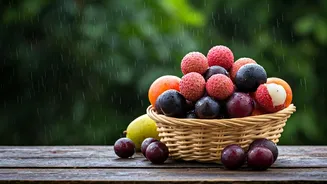
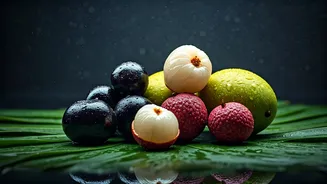
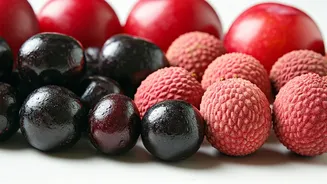
This sweet, translucent fruit is more than just a delicious treat; it's a powerhouse of health benefits perfect for the humid monsoon weather. Litchis are exceptionally high in Vitamin C, a crucial nutrient for bolstering the immune system and warding off common infections like the cold and flu. Their high water content helps you stay hydrated, which is essential during the sticky, damp days of the rainy season. Experts also point to litchi's rich antioxidant and polyphenol content, which possess anti-inflammatory properties that help the body fight off illnesses and reduce oxidative stress.
Pomegranate: The Antioxidant Powerhouse
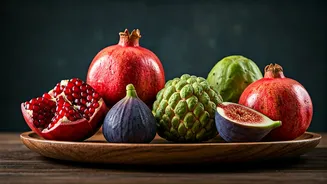
With its jewel-like seeds, the pomegranate is a treasure trove of nutrients that are especially beneficial during the monsoon. It is loaded with powerful antioxidants, such as punicalagins and anthocyanins, which are known to have anti-inflammatory and antiviral properties. This makes it an excellent fruit for protecting the body against a range of infections that are prevalent during the rains. Nutritionists recommend it for boosting immunity and improving blood health, as it is a good source of vitamins C, E, and K, as well as iron, which helps combat the fatigue that can accompany gloomy weather.
Cherries: Nature's Anti-Inflammatory
These small, vibrant red fruits are a welcome sight in the monsoon markets. Cherries are packed with antioxidants and anti-inflammatory compounds, which can be particularly helpful for relieving the joint pain that some people experience during the damp season. They are a good source of vitamins and minerals that help repair cell damage and strengthen the body's natural defenses. While delicious on their own, it's important to choose plump, glossy cherries and wash them thoroughly, as their delicate skin can be susceptible to damage from heavy rains.
Plums: The Fibre-Rich Defender
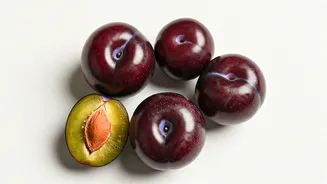
Juicy, sweet, and slightly tart, plums thrive during the rainy season and offer a wealth of health advantages. They are an excellent source of dietary fibre, which is crucial for maintaining good digestive health—a common concern when the humidity can slow down our systems. Plums are also rich in Vitamin C and antioxidants like anthocyanins, the pigment responsible for their deep reddish-blue colour. These compounds help boost the immune system and protect the body from infections, making plums a smart and delicious addition to your monsoon diet.
Pears: Gentle on the Stomach
Known as 'Nashpati' in India, the pear is a mild, sweet fruit that is incredibly beneficial during the monsoon. It is high in fibre and has a high water content, making it excellent for digestion and preventing constipation, which can be a common issue this season. Experts recommend pears as they are gentle on the stomach and a good source of immune-supporting nutrients like Vitamin C and copper. Their anti-inflammatory properties also help the body cope with the stresses of the humid weather.