






The Mess Hall Maximisers
The foundation of student food life often begins at the campus mess or hostel canteen. But where many see a rigid, repetitive menu, savvy students see a base to build upon. They aren't just passively accepting the dal-roti-sabzi on offer. The 'pro' move
is strategic supplementation. Students often keep a small pantry of essentials like ghee, achar, spices, and sauces to elevate a bland meal. Others might use the mess roti as a base for a quick wrap made with a separately purchased filling. They also master the schedule, knowing which days feature the best dishes (hello, 'special dinner' nights) and planning to eat out or cook for themselves on the less popular days. This isn't complaining; it's optimising.
The Digital Dabbawalas
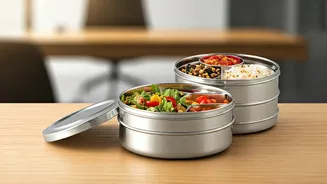
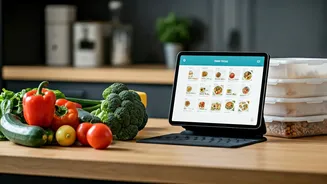
The neighbourhood tiffin or 'dabba' service has been a lifeline for students for decades, but the new generation has given it a digital upgrade. Instead of being locked into a fixed monthly plan, students now use hyperlocal apps and WhatsApp-based services that offer immense flexibility. They can browse menus from multiple providers, read reviews, and customise their meal plans—requesting less oil, more protein, or specific dietary requirements. The best part? The subscription model is now 'pay-as-you-go' or weekly. Going home for the weekend? Just pause the service with a single tap on an app, ensuring no money is wasted. This is the convenience of food delivery combined with the affordability and homeliness of a tiffin.
Community Cooking in the PG
For those living in paying guest (PG) accommodations or shared flats, the community kitchen has become a hub of culinary collaboration. This is far more than just taking turns to cook. Students form structured groups, creating a weekly cooking roster and pooling money for groceries. They use apps like Splitwise to manage shared expenses down to the last rupee. This system has multiple benefits: it drastically cuts down on individual costs, reduces food waste, and introduces a variety of cuisines as different group members bring their regional specialities to the table. It also fosters a strong sense of community, turning mealtime from a solo chore into a social event.
The Weekend Meal Prep Warriors
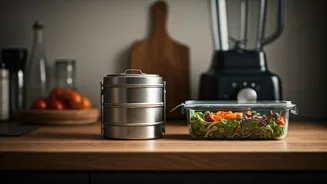
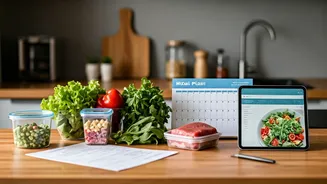
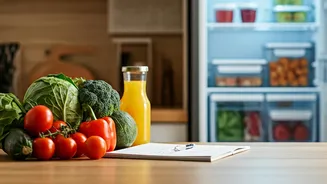
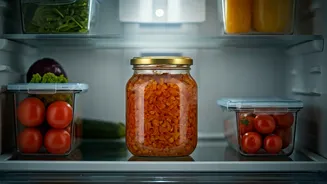
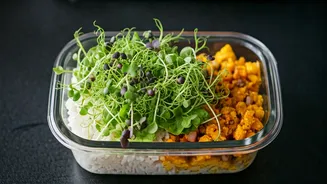
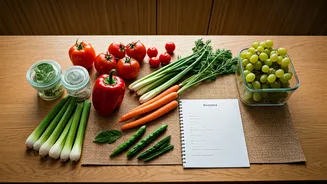
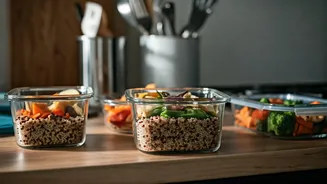
Inspired by global fitness and productivity trends, many Indian students have embraced weekend meal prepping. They dedicate a few hours on a Sunday to wash and chop vegetables, boil lentils, cook a large batch of rice, and prepare base gravies for curries. These components are stored in separate containers in the fridge. During a busy week of classes and assignments, putting together a fresh, healthy meal takes just 10-15 minutes. It’s the perfect antidote to the temptation of ordering expensive and often unhealthy fast food. This forward-planning not only saves a significant amount of time and money but also helps students maintain a healthier diet.
Masters of Smart Grocery Shopping
Student budgets are tight, and today’s young shoppers are incredibly resourceful. They leverage technology to compare prices on quick-commerce apps like Blinkit and Zepto, making sure to snag daily deals and apply coupons. They also know the value of the local sabzi mandi. Many plan their trips to the local market for the end of the day, when vendors are more likely to offer discounts to clear their remaining stock. They buy seasonal produce, which is cheaper and fresher, and often shop in groups to buy staples like rice, flour, and oil in larger, more economical quantities. This blend of digital deal-hunting and traditional market wisdom ensures they get the most value for every rupee spent.