
Prevention: Your First Line of Defence
The best way to deal with pests is to create an environment where they are less likely to appear. Healthy plants are naturally more resilient. Start with a well-draining potting mix, as chillies dislike 'wet feet', which can lead to root problems and
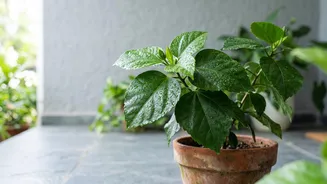
weaken the plant. Ensure your pot is large enough, at least 8-10 litres in volume, to allow for healthy root growth. Place your plant in a spot where it receives at least six hours of direct sunlight daily. Water consistently, but allow the soil to dry slightly between waterings to avoid overwatering. Finally, a well-fed plant is a strong plant, so provide a balanced fertiliser every few weeks during the growing season to give it the nutrients it needs to defend itself.
Identifying Aphids: The Sap-Suckers
Aphids are one of the most common pests you'll encounter. These tiny, soft-bodied insects can be green, black, or yellow and typically cluster on the undersides of new leaves and tender stems. They feed by sucking the sap from the plant, which can cause leaves to yellow, curl, and become distorted. A tell-tale sign of a heavy aphid infestation is a sticky substance called 'honeydew' on the leaves, which can lead to the growth of sooty mould. To treat them, a strong jet of water can physically knock them off the plant. For a more robust solution, a spray made of neem oil mixed with water and a few drops of liquid soap is a highly effective organic option. Thoroughly spray the entire plant, especially the undersides of leaves, repeating every few days until the infestation is gone.
Spotting Spider Mites: The Web-Spinners
Spider mites are incredibly tiny, almost invisible to the naked eye, and are technically arachnids, not insects. You're more likely to spot the signs of their presence first. Look for fine, silky webs on the plant, particularly between leaves and stems. Another key symptom is 'stippling' — small, light-coloured dots on the leaves where the mites have sucked out the cell contents. In severe cases, leaves may turn yellow or bronze and drop off. These pests thrive in hot, dry conditions. Increasing humidity around the plant can help deter them. Like with aphids, a strong spray of water can dislodge them. Horticultural oils, especially neem oil, are effective as they disrupt the mites' life cycle and can kill eggs on contact.
Dealing with Whiteflies: The Fleeting Cloud
If you brush against your chilli plant and a small cloud of tiny, white, moth-like insects flies up, you have whiteflies. Like aphids, they cluster on the undersides of leaves and feed on sap, weakening the plant and producing sticky honeydew. Getting them under control early is crucial as they multiply rapidly, especially in warm conditions like a greenhouse or a sunny balcony. Yellow sticky traps are a great way to monitor and reduce the adult population, as whiteflies are attracted to the colour yellow. For treatment, an insecticidal soap or neem oil spray is your best bet. Ensure you get complete coverage of the plant, as these sprays work on contact. Multiple applications will be necessary to break their life cycle.
Organic Solutions for a Healthy Harvest
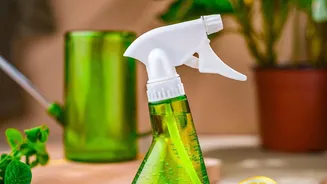
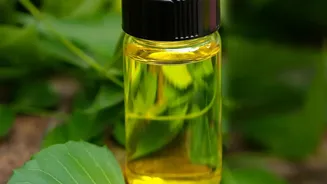
For home gardeners growing edible plants like chillies, using organic pest control is often the preferred choice. Neem oil is a cornerstone of organic gardening in India for a reason; it's effective against a wide range of pests including aphids, whiteflies, and spider mites by disrupting their feeding and reproduction. It's readily available and easy to mix at home. To prepare a spray, mix about 5 ml of neem oil with one litre of water and a few drops of mild liquid soap, which helps the oil emulsify with the water. Always spray in the early morning or evening to avoid scorching the leaves in direct sunlight. Consistency is key — regular inspection and prompt treatment will ensure these common pests don't ruin your spicy harvest.