



A Major Policy Shift
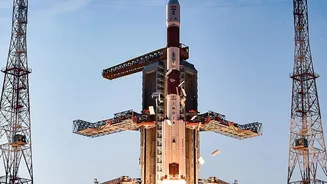
For decades, India's space endeavours were led almost exclusively by the Indian Space Research Organisation (ISRO). However, the landscape began to change dramatically following the 2020 policy reforms that opened the sector to private enterprise. The
establishment of the Indian National Space Promotion and Authorization Center (IN-SPACe) was a pivotal moment, creating a single-window agency to guide and authorise private projects. This shift was designed to move from a government-dominated model to a collaborative ecosystem where private firms could build everything from satellites to launch vehicles, fostering innovation and, crucially, generating widespread employment. The government's goal is to increase India's share of the global space economy from around 2% to 8% by 2033, a target that relies heavily on private sector dynamism.
The New Universe of Jobs
When people think of space jobs, they often picture rocket scientists and astronauts. Today, that picture is vastly incomplete. The commercialisation of space has created demand for a diverse range of skills that go far beyond aerospace engineering. Companies building satellite constellations need software developers, AI and machine learning experts to process vast amounts of data, and cybersecurity professionals to protect their assets in orbit. Downstream applications, which use satellite data for services on Earth, are a huge area of growth. This includes geospatial analysts who use satellite imagery for urban planning, agriculture technology, and climate change monitoring. Furthermore, as space becomes a business, it requires professionals in finance, marketing, international law, and business development to manage contracts, raise capital, and navigate complex regulations.
Startups Leading the Charge
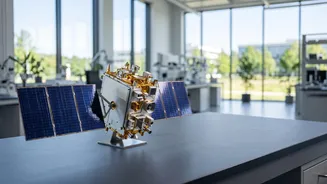
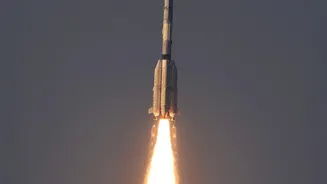
The most dynamic part of this new job market is the thriving startup ecosystem. From just a handful a decade ago, India is now home to over 400 space-tech startups. These agile companies are attracting significant investment and are at the forefront of innovation. Firms like Skyroot Aerospace and AgniKul Cosmos are developing their own launch vehicles, challenging a domain once reserved for national agencies. Others, such as Pixxel and Dhruva Space, are focused on building satellites for communication and Earth observation. This startup boom is the primary engine of job creation, offering roles that are often interdisciplinary and fast-paced. A study by Adecco India projects that the aerospace, drone, and space technology sector could create over 200,000 new jobs in the coming decade.
The Skills for the Final Frontier
The demand for talent is intense, but also highly specific. While there are thousands of engineering graduates in India, startups report a shortage of professionals with hands-on experience in niche areas like propulsion systems, guidance and navigation control (GNC), and cryogenics. The ideal candidate today often possesses a hybrid skillset, combining traditional engineering knowledge with modern tech fluency in areas like AI, data analytics, and robotics. To bridge this gap, companies are diversifying their recruitment and investing in training. There is also a growing convergence of talent from other industries, with professionals from the automotive, electronics, and data science sectors finding new opportunities in the space industry.
A Multiplier Effect on the Economy
The impact of the commercial space sector extends far beyond the companies directly involved. Studies have shown a significant multiplier effect on the wider economy. One analysis found that for every dollar produced by the space sector, an additional $2.54 is contributed to the Indian economy. This ripple effect creates jobs in manufacturing, logistics, and countless ancillary services that support the core space industry. Between 2014 and 2024, the sector contributed an estimated $60 billion to India's GDP and supported 96,000 direct jobs and over 4.7 million indirect jobs. As India aims to become a hub for satellite manufacturing and launch services, this economic contribution is only expected to grow, cementing the space industry's role as a vital engine for national development and employment.