





More Than Just Dinosaurs on Screen
When you hear “palaeoscience,” your mind might jump to Jurassic Park. But the field is far broader, and for the first time in India, it’s getting the cinematic treatment. PRITHVI 2026, set to be held in Lucknow from July 23-25, is the country's first film
festival dedicated exclusively to earth and palaeosciences. Organized by the prestigious Birbal Sahni Institute of Palaeosciences (BSIP), the event isn't just an academic gathering; it's a pioneering effort in public science communication. The festival plans to showcase a range of films—from documentaries and animation to science fiction—all aimed at translating complex scientific research into engaging visual stories. The official motto, "Bringing Earth's Stories to Life, Inspiring a Sustainable Future," hints at a much larger mission than just celebrating ancient history. It’s about bridging the gap between scientists in the lab and the general public, making the study of deep time feel immediate and relevant.
Decoding Earth’s Ancient Blueprint
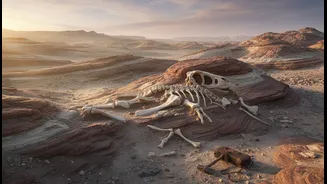
Palaeoscience is essentially the study of Earth’s deep history, using clues from fossils, rocks, and ice cores to reconstruct past climates, ecosystems, and geological events. This historical record is not just a collection of fascinating facts; it serves as a blueprint for how our planet functions. Scientists can see how ecosystems responded to past climate shifts, how sea levels rose and fell, and how ancient civilizations managed their resources. For instance, studies of the Indus Valley Civilization reveal sophisticated water management and urban planning systems that offer timeless lessons for today’s cities grappling with water scarcity and population density. By understanding these long-term cycles and precedents, we gain an invaluable perspective on our current environmental challenges, from unpredictable monsoons to the increasing stress on our natural resources. This long-term data provides a baseline against which we can measure the unprecedented speed of modern climate change.
From Fossil Records to Urban Planning
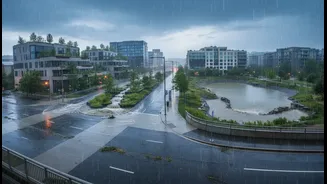
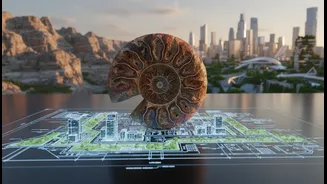
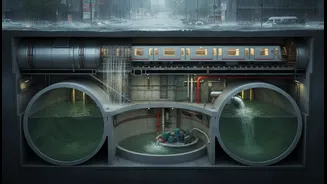
The connection to “everyday planning” becomes clear when you apply these ancient lessons to modern India. Take urban water management. By studying ancient riverbeds and water tables, palaeoscientists can help today's city planners make more informed decisions about where to source water and how to design more resilient drainage systems, potentially mitigating floods in coastal cities like Mumbai and Chennai. Similarly, understanding the history of plant life and pollen (palaeobotany) can inform reforestation efforts and agriculture, helping to select species that are better adapted to long-term climatic trends in a particular region. The festival’s focus on topics like geo-heritage and climate change is a deliberate attempt to arm the public and policymakers with this perspective. The goal is to move from reactive problem-solving to proactive, evidence-based planning, using billions of years of Earth's history as a guide.
A New Chapter for Science Communication
Ultimately, the PRITHVI 2026 film festival is as much about communication as it is about science. Complex research often remains locked away in academic journals, inaccessible to the people whose lives it could impact. Using the emotive and accessible medium of film, the festival organizers hope to foster a greater scientific temper and a sense of shared ownership over our planet's future. Dr. Nimish Kapoor, the festival convener, emphasized that the initiative aims to bridge the gap between science, cinema, and the public. Beyond the screenings, the event will host discussions and masterclasses with scientists, filmmakers, and policymakers to strategize on how to talk about Earth science in a way that truly resonates. The films shown are intended to become long-term educational resources for schools and universities, ensuring that the next generation grows up with a deeper appreciation for their planet's epic story.