



Peru is a land of ancient wonders, vibrant cultures, and breathtaking landscapes. But with so much to see, it's easy to fall into tourist traps or overspend. Here’s an honest guide to navigating the hype and making your money go further.
Machu Picchu: The Crowded Wonder
Let's be clear:
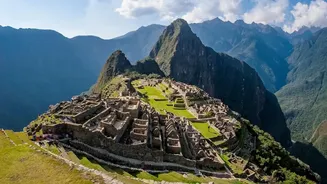
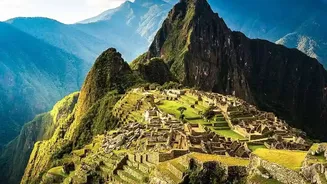
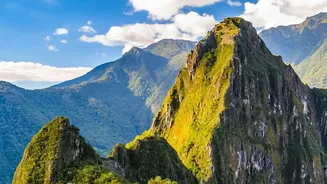
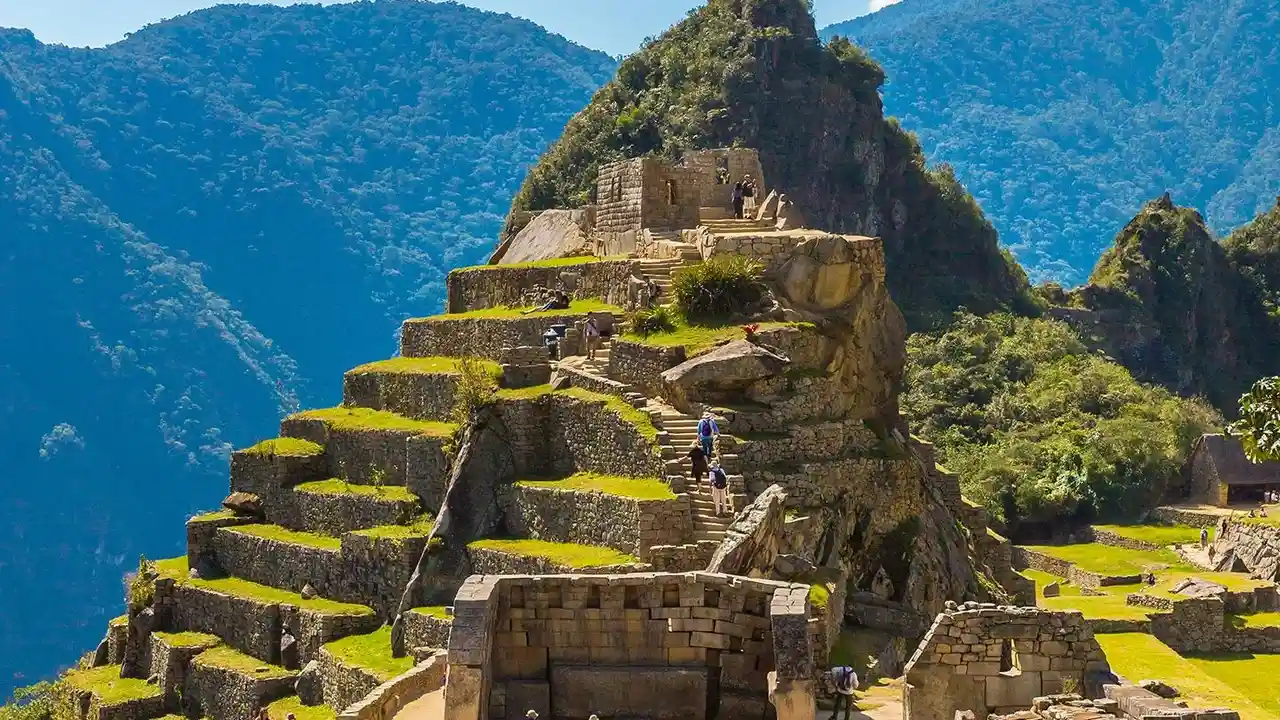
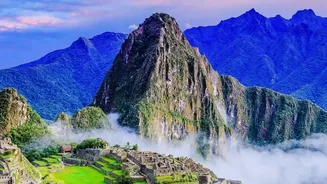
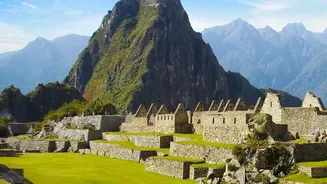
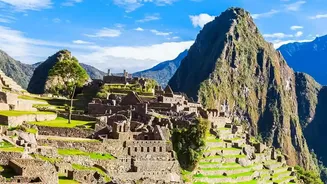
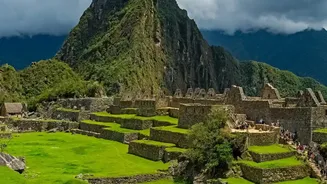
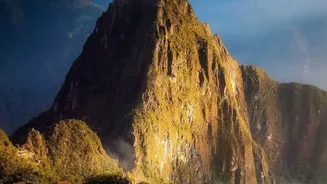
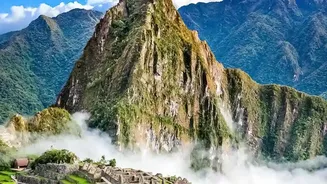
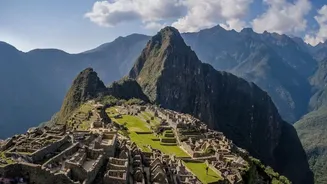
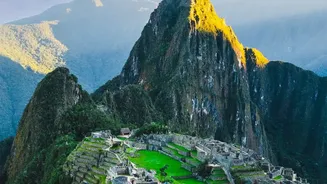
Machu Picchu is not overrated in its magnificence. It’s a true wonder of the world. However, the experience can feel diminished by the sheer volume of tourists, rigid time slots, and high costs. The serene, mystical atmosphere you see in photos can be hard to find when you’re shuffling along a one-way path with hundreds of other people. For a more secluded experience with similar Inca grandeur, consider the trek to Choquequirao, often called Machu Picchu's 'sacred sister'. It’s a challenging multi-day hike, but your reward is exploring a vast, impressive ruin with only a handful of other visitors. To save on a Machu Picchu visit, book tickets and train rides months in advance, especially for peak season, and consider staying in the more affordable town of Ollantaytambo instead of the pricier Aguas Calientes.
The Nazca Lines: A Costly Flight
The mystery of giant geoglyphs etched into the desert is undeniably cool. But the primary way to see them is via a small, expensive plane ride. These 30-minute flights are known for sharp turns that can induce motion sickness, and some travellers feel the view is too brief for the price. For a budget-friendly alternative, there is a viewing tower along the highway that allows you to see a few of the figures, like the tree and hands, for a fraction of the cost. If you're passionate about archaeology, the flight may be worth it for you. However, if you are prone to motion sickness or have a tight budget, you might get more value exploring the region’s other fascinating sites, like the Chauchilla Cemetery or the Cantalloc Aqueducts.
Rainbow Mountain: An Altitude Challenge
Vinicunca, or Rainbow Mountain, has become an Instagram sensation. While the colourful stripes are a real geological phenomenon, the photos are often heavily saturated. The reality involves a very early start from Cusco, a demanding hike at an extreme altitude of over 5,000 metres, and significant crowds. Many visitors find the experience physically punishing and the destination swarming with people all vying for the same photo. A great alternative is Palccoyo Rainbow Mountain. It’s slightly less vibrant but requires a much shorter, less strenuous walk and offers views of three distinct rainbow-coloured mountains with far fewer tourists. For Vinicunca, the key is managing expectations: acclimatise properly in Cusco for several days and book a tour that leaves very early (around 3 am) to beat the mid-morning rush.
Uros Floating Islands: A Staged Experience
The idea of communities living on man-made reed islands in Lake Titicaca is fascinating. However, many travellers report that the experience on the islands closest to Puno feels commercialised and inauthentic. Tours often involve a short, rehearsed presentation followed by a persistent push to buy souvenirs or take an additional boat ride. The Uros people's move closer to shore in the 1980s increased tourism, which now provides a vital income but has, for some, turned the culture into a performance. For a more genuine cultural immersion on Lake Titicaca, consider a tour that includes a homestay on the islands of Amantaní or Taquile. There, you can stay with a local family, share meals, and learn about their traditional way of life in a less performative setting.
Smart Ways to Save Money in Peru
Regardless of your itinerary, smart spending can drastically cut your costs. For transport, long distance buses are a comfortable and affordable way to travel between major cities; some even have fully reclining seats for overnight journeys, saving you the cost of a night's accommodation. For food, skip the tourist centric restaurants around main plazas. Instead, look for local eateries offering a 'menú del día'. This set lunch menu usually includes a soup, a main course, and a drink for a very low price. When it comes to accommodation, hostels and family run guesthouses offer great value and a chance to meet other travellers. Finally, travel during the shoulder seasons (April - May and September - October) for a sweet spot of good weather, fewer crowds, and lower prices on flights and lodging.