






A New Philosophy of Work
For Generation Z, a job is not just about a salary; it's about integration into a lifestyle that values well-being. Unlike previous generations who may have accepted physical discomfort as part of the daily grind, younger workers are proactive about their
health. They view mental and physical wellness as non-negotiable. This generation grew up with open conversations about mental health and burnout, making them more attuned to their bodies' needs throughout the day. A report on Indian workplace trends noted that Gen Z prioritises mental health support and work-life balance, sometimes even above traditional perks. Desk stretches fit perfectly into this philosophy—they are a form of 'micro-dosing' wellness, a small, achievable action that provides an immediate benefit without disrupting the workflow.
Combating the 'Digital Native' Downside
Gen Z are digital natives, having spent their formative years in front of screens. This has made them highly aware of the physical toll of a sedentary life. Prolonged sitting is linked to a host of issues, from muscle stiffness and poor posture to more serious long-term health risks. Conditions like 'tech neck', lower back pain, and carpal tunnel syndrome are common results of desk-based work. By incorporating simple movements, employees can combat the muscle stagnation that comes from sitting for hours. Stretching increases blood flow, can reduce fatigue, and improves flexibility, helping to prevent the muscle strains and aches that can build up over a long workday.
A Boost for Focus and Productivity
The benefits of a quick stretch break extend beyond the physical. Taking a few minutes to move can serve as a mental reset, helping to clear the mind, reduce stress, and improve focus. Increased blood flow and oxygen to the brain can lead to a tangible boost in energy and productivity. For Gen Z, who value results over simply being present at a desk, this is a key motivator. A simple routine of stretches can break the monotony of a long task, helping to maintain concentration and prevent the mental fatigue that often sets in during the afternoon. This proactive approach to managing energy levels reflects a smarter, more sustainable way of working.
Five Simple Stretches to Try at Your Desk
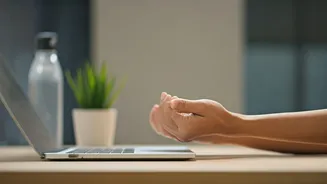
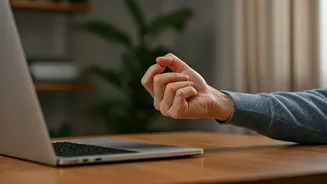
Integrating this habit is easy. Experts recommend holding each stretch for about 20-30 seconds without pushing into pain. 1. Neck Rolls: Gently lower your chin to your chest, then slowly roll your head toward your right shoulder, hold, and repeat on the left side. This helps relieve tension held in the neck. 2. Overhead Reach: Extend one arm straight up, then lean to the opposite side, feeling a stretch along your side. Repeat with the other arm to lengthen your torso. 3. Shoulder Stretch: Bring one arm across your chest and use the opposite hand to gently pull the elbow closer to you, stretching the back of your shoulder. 4. Wrist Flexor Stretch: Extend one arm in front of you with your palm facing up. With your other hand, gently bend your fingers down towards the floor. Reverse the stretch with the palm facing down. 5. Seated Spinal Twist: Sit tall and rotate your upper body to one side, using the armrest for a deeper twist. This helps mobilise the spine.
A Sign of a Healthy Company Culture
Ultimately, the rise of desk stretches is about more than just individual well-being; it's a barometer for company culture. Workplaces that encourage small breaks for self-care are signalling that they trust their employees and value their health over performative 'busyness'. For a generation that is quick to leave jobs that don't align with their values, this is a crucial differentiator. By normalising and even encouraging habits like desk stretches, companies can create an environment that fosters loyalty, reduces burnout, and acknowledges that a healthy, happy employee is a productive one.