

A Return to the Source
These are not your typical food festivals focused on fleeting trends. Instead, they are carefully curated events dedicated to culinary preservation. Organizers and chefs are turning away from fusion and invention, focusing instead on documenting and reviving
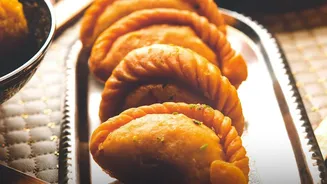
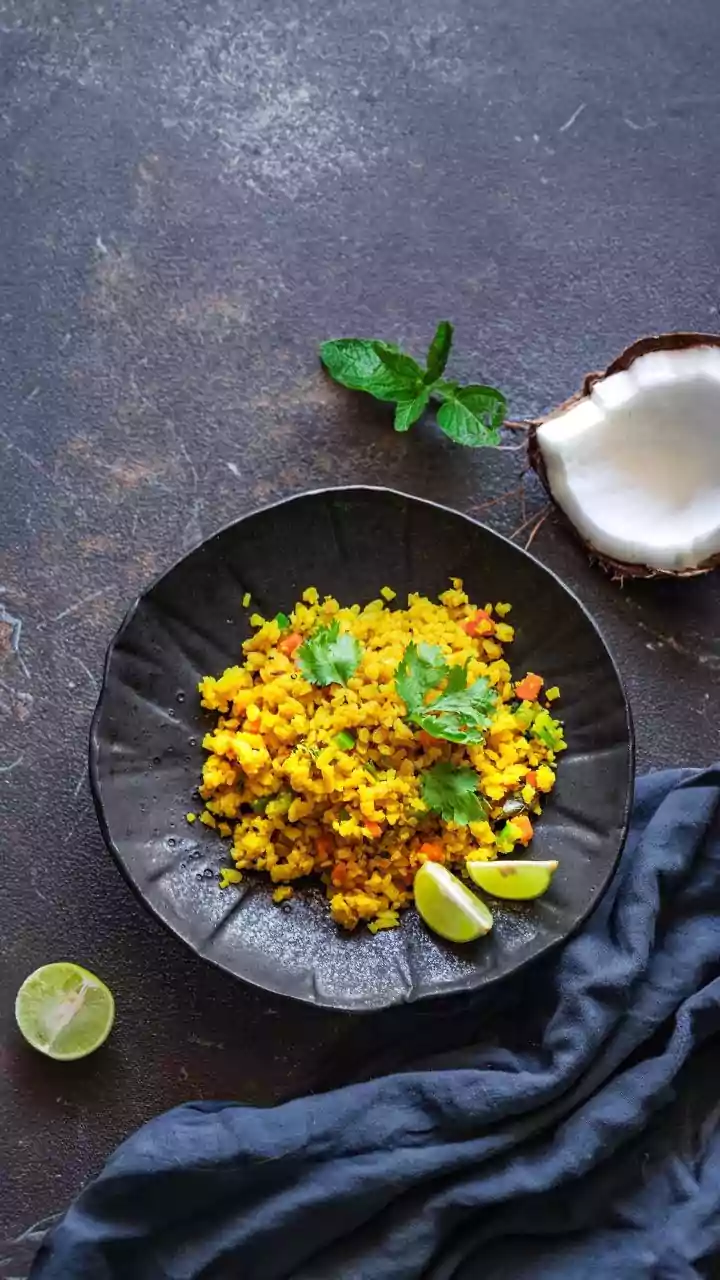
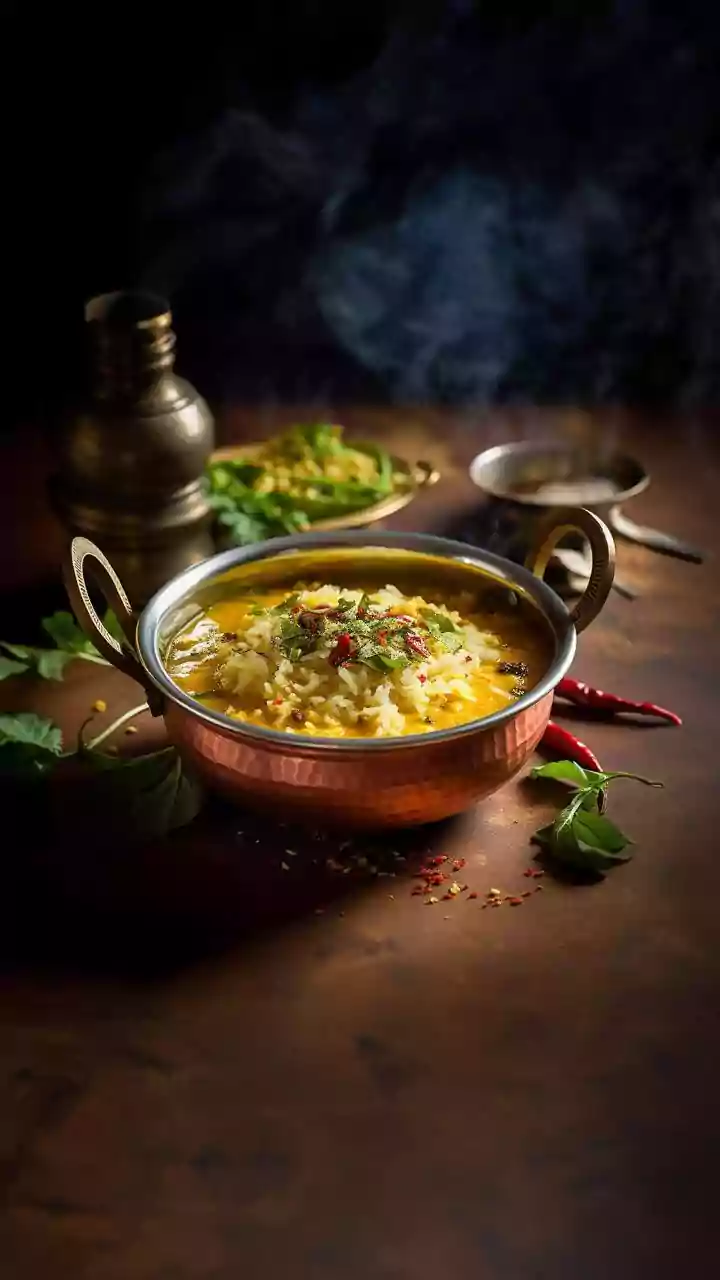
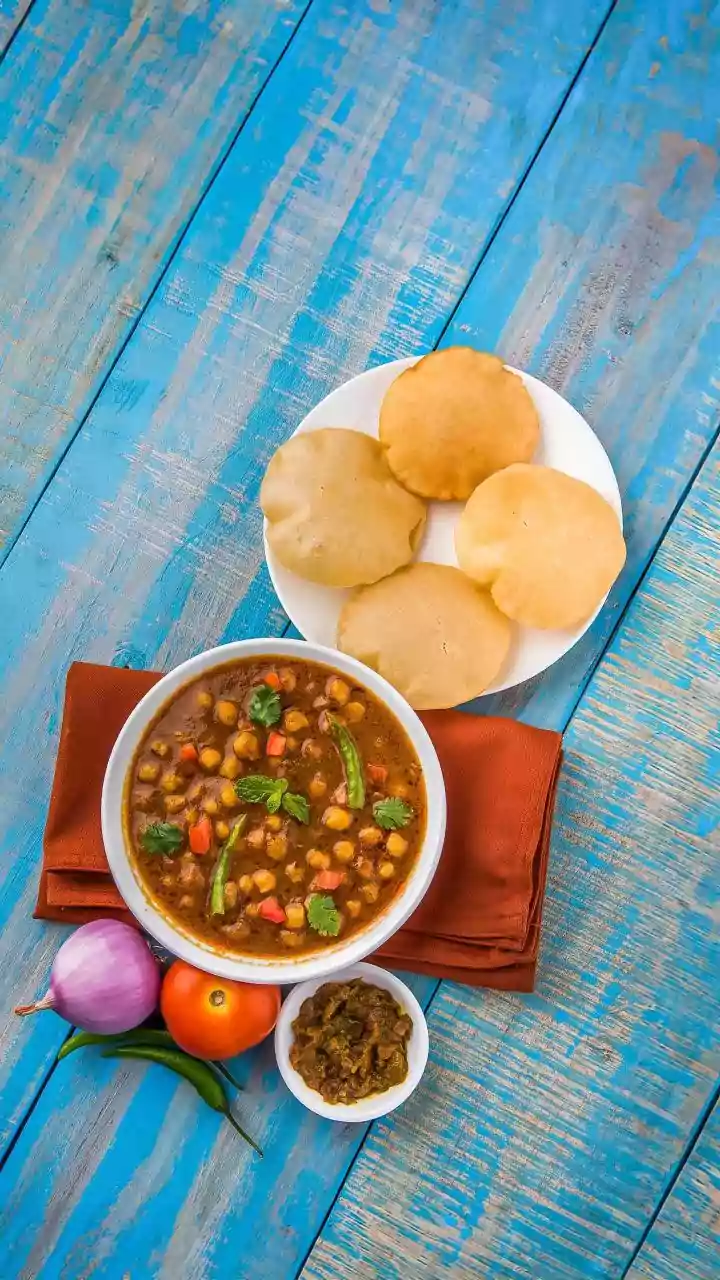
dishes that exist only in memory. Think of events like Jashn-e-Rampur, which spotlights the specific royal and commoner foods of the Rampur region, or Desi Cultures, a festival dedicated to the ancient art of fermentation in Indian cuisine. The goal is to celebrate food that tells a story—of a specific place, a particular community, or a single family's history. These gatherings offer a taste of dishes rarely found on commercial menus, from complex royal preparations of the Mughal era to rustic tribal recipes using foraged ingredients like the mahua flower.
The Keepers of the Flame
At the heart of this movement are the home cooks—the mothers, grandmothers, and community elders who are the last living archives of this culinary knowledge. For generations, their recipes were passed down not in writing, but through practice and oral tradition. Now, they are being given a platform, moving from family kitchens to festival stalls. Chefs and food researchers travel to villages and remote communities, collaborating with these cooks to document their techniques before they are lost forever. Initiatives like 'The Kindness Meal' in Rajasthan are actively working to bridge the generational gap, encouraging young people to record their family's culinary heritage. This not only preserves the recipes but also honours the women who have been their custodians, often without recognition, for decades.
A Craving for Connection
The rise of these festivals is a direct response to a modern dilemma: the homogenisation of food in a globalised world. As lifestyles become faster and more families move to cities, there's a growing sense that precious culinary traditions are fading. This has sparked a deep desire, particularly among younger generations, to reconnect with their roots. Food becomes a tangible link to heritage. Tasting a dish that a great-grandmother once made is an emotional, grounding experience that a trendy café cannot replicate. This search for authenticity is driving a new kind of culinary tourism, where travellers seek not just good food, but meaningful stories and a genuine connection to local culture.
More Than Just a Meal
The impact of this revival goes far beyond nostalgia. By creating a market for traditional dishes, these festivals are generating economic opportunities for home cooks and artisans. They also encourage the cultivation of heirloom grains and indigenous ingredients that might otherwise disappear, supporting local farmers and biodiversity. This movement is a race against time, as many of the elders who hold this knowledge are aging. By documenting and celebrating these foods, chefs, historians, and communities are ensuring that India's vast culinary map doesn't shrink. They are safeguarding not just recipes, but the history, ecology, and cultural identity that simmer in every pot.