


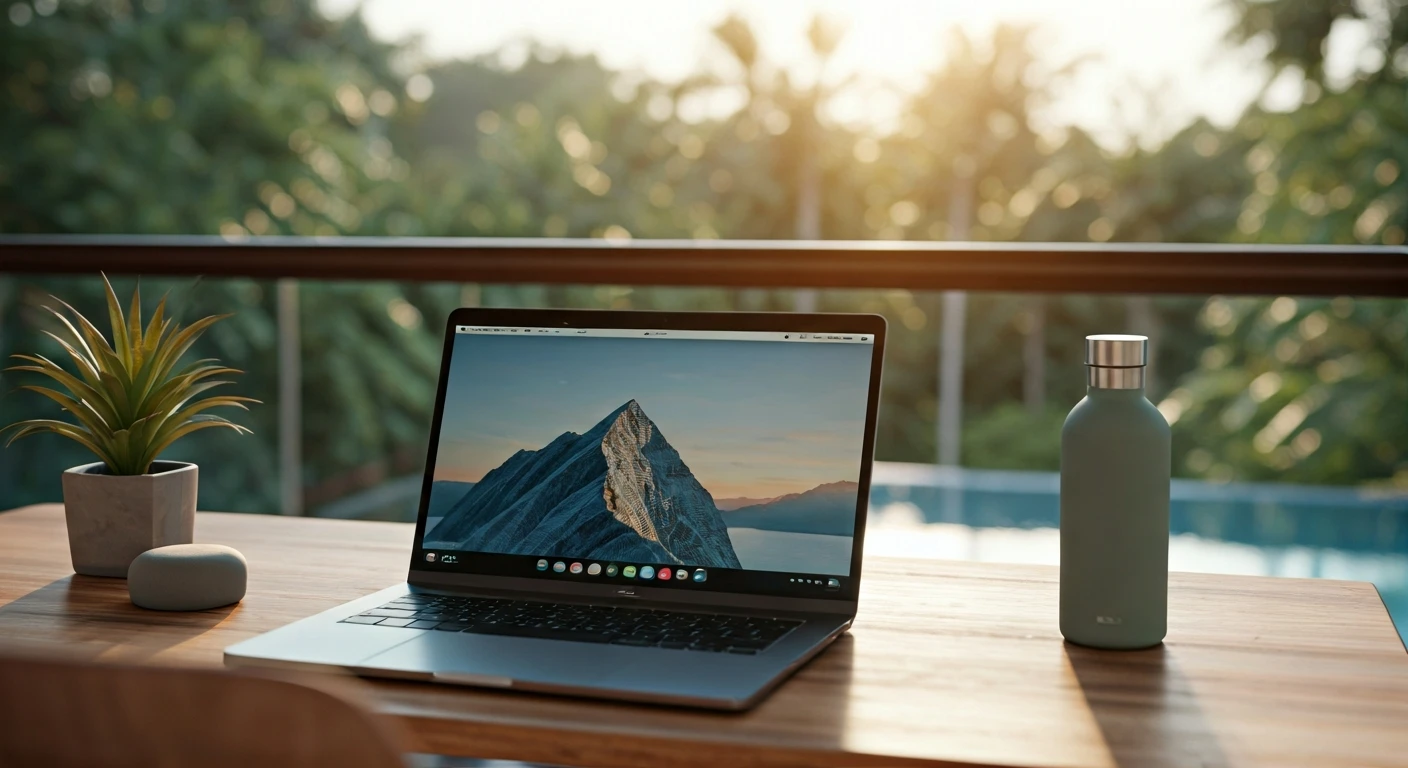


Meet the Eco-Nomad
Forget the old stereotype of the digital nomad as a lone coder hunched over a laptop in a noisy cafe. A new, more intentional tribe is emerging: the eco-nomad. These are remote workers—writers, designers, marketers, and entrepreneurs—who aren’t just seeking
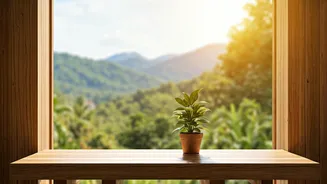
a cheap and sunny place to live. They are actively looking for a lifestyle that aligns with their values of sustainability, community, and wellness. For them, work-life balance isn't about logging off at 5 PM; it's about integrating work into a life that feels meaningful and has a lighter footprint on the planet. They choose their destinations not just for the Wi-Fi speed, but for the connection to nature, the opportunity for personal growth, and the presence of a like-minded community. This mindset has made them the perfect demographic for a new kind of workplace.
Why Indonesia Is the Epicentre
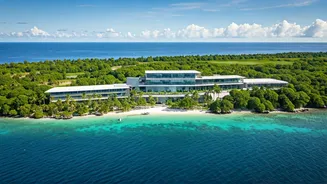
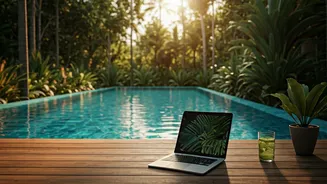
Indonesia, and particularly Bali, has long been a magnet for tourists and spiritual seekers. That same allure is now capturing the imagination of the global remote workforce. The appeal is multi-layered. First, there’s the practical side: a relatively low cost of living, favourable climate, and increasingly, visa options tailored to long-stay remote workers. But the deeper pull is cultural. Bali’s established identity as a global hub for yoga, wellness, and spiritual retreats has created fertile ground for the eco-nomad ethos. The island's breathtaking natural beauty, from volcanic mountains to lush jungles and pristine beaches, provides the perfect backdrop for a lifestyle that prioritises well-being over the hustle. This pre-existing infrastructure of wellness and natural beauty makes it the ideal laboratory for the future of work.
The Rise of Green Workspaces
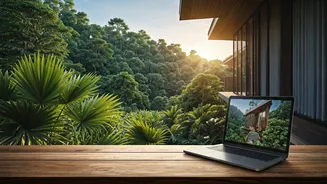
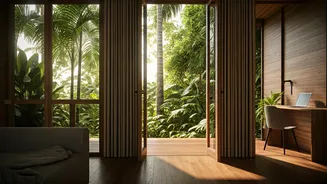
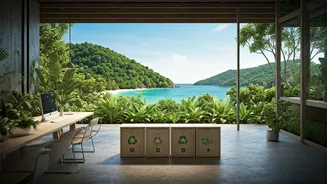
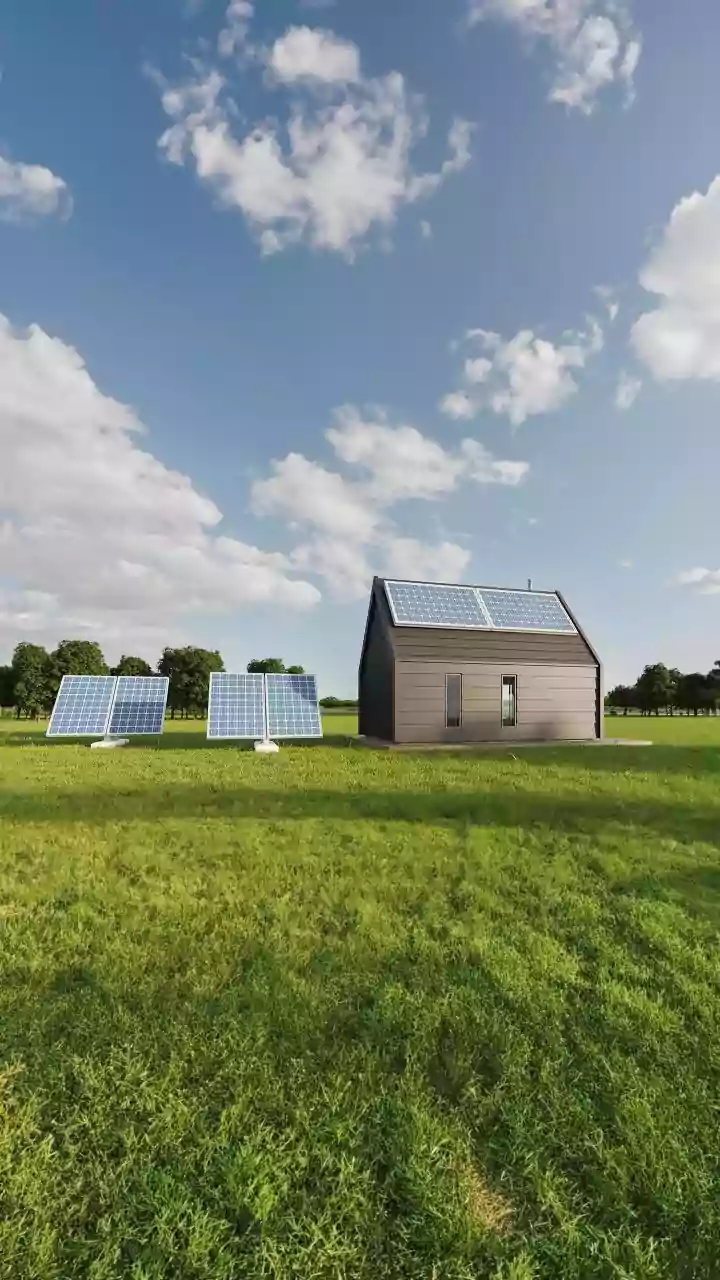
In response to this demand, a new generation of co-working spaces has blossomed across hubs like Ubud and Canggu. These are not your typical glass-and-steel offices. Instead, think open-air structures built from sustainable materials like bamboo, powered by solar panels, and surrounded by lush gardens. They are more than just a desk and a power socket; they are integrated lifestyle hubs. Many offer on-site cafes serving organic, locally sourced food. They host a full schedule of activities, from morning yoga and breathwork sessions to skill-sharing workshops and community dinners. Spaces like these are designed to be destinations in themselves, fostering a sense of community and collaboration that is often missing from traditional remote work. They are selling not just productivity, but a holistic way of living and working.
A Symbiotic Relationship
The phrase "take over" might sound aggressive, but the dynamic between eco-nomads and green co-working spaces is less a conquest and more a perfect symbiosis. The nomads arrive seeking infrastructure that matches their values, and the spaces are built specifically to attract and retain this discerning, high-value clientele. It's a powerful feedback loop: the more nomads seek out sustainable options, the more viable it becomes for entrepreneurs to invest in green buildings and community-focused business models. This synergy is creating micro-economies where the currency is not just cash, but shared values. The nomads get a plug-and-play community and a guilt-free workspace, while the businesses get a steady stream of customers who are willing to pay a premium for an experience that aligns with their identity.
The Bigger Picture
While the trend appears to be a win-win, it's not without its complexities. The influx of affluent foreigners can drive up local living costs, and there's a constant risk of "greenwashing," where sustainability is more of a marketing buzzword than a genuine practice. However, the movement points to a broader shift in our global work culture. It challenges the idea that a successful career must be tethered to a single city or a traditional office. It suggests that productivity and professional growth can coexist with, and even be enhanced by, a focus on personal well-being and environmental responsibility. What's happening in the bamboo offices of Bali could be a blueprint for how a new generation redefines success, blending ambition with mindfulness on a global scale.