




Beyond Bare Essentials
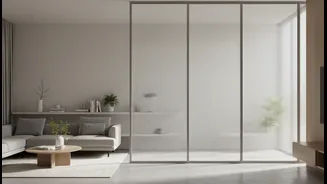
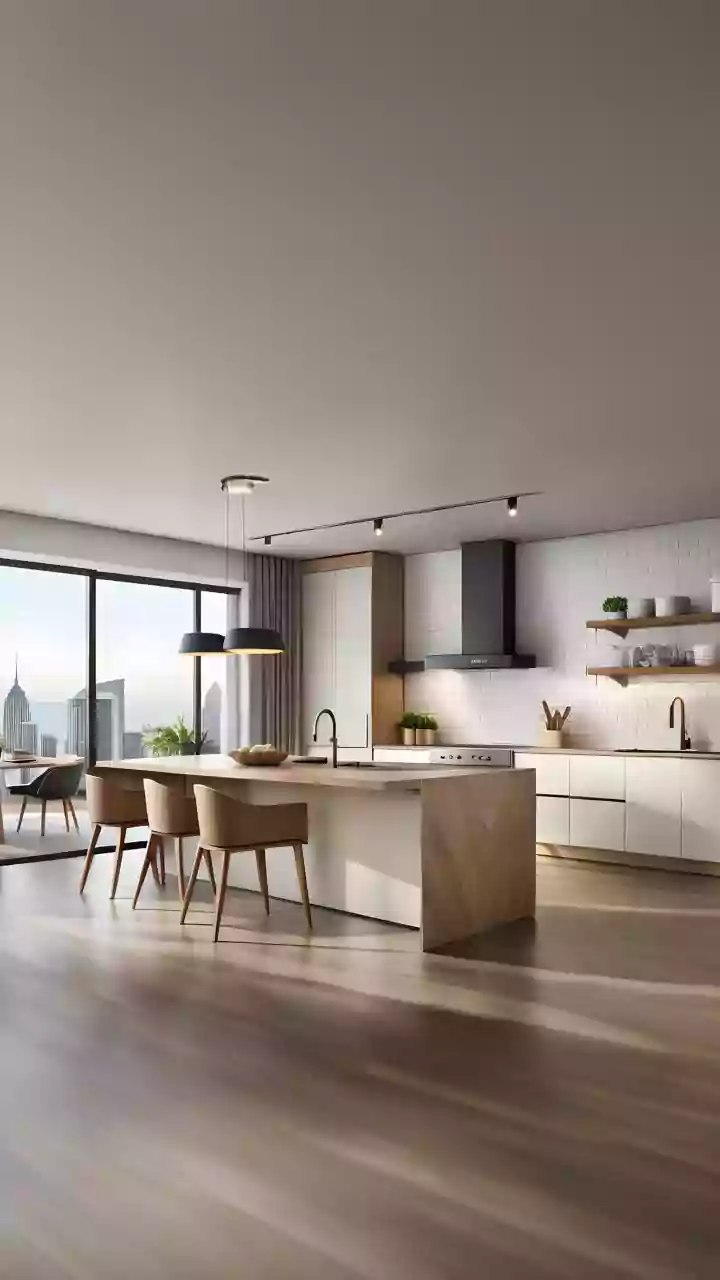
Minimalism is often misunderstood as living with as little as possible. In reality, its core principle is about intentionality—keeping only what serves a purpose or brings joy. However, a room with sleek surfaces and a stark white palette can lack personality
and comfort. Warm minimalism solves this by focusing on how a space feels, not just how it looks. It combines the simplicity of minimalism with the comfort of natural materials, creating an atmosphere that is both serene and inviting. The goal is to replace visual perfection with material honesty, making a home feel lived-in and generous.
The Timeless Warmth of Wood
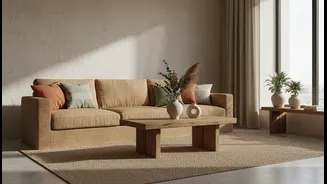
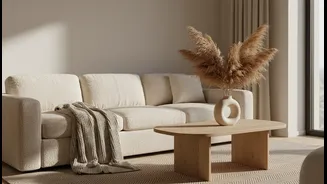
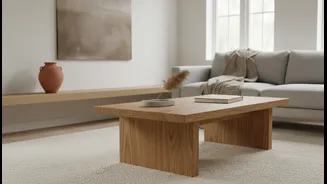
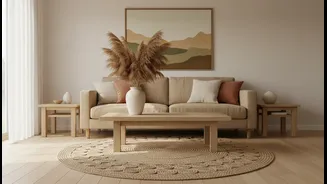
Wood is perhaps the easiest and most effective way to introduce warmth into a minimal interior. Its natural grain and varied tones provide visual interest without creating clutter. Instead of matched furniture sets, focus on a few high-quality, functional pieces with clean lines, like a low-profile sofa with a timber frame or a simple oak coffee table. Even small accents make a difference. Think of wooden picture frames, sculptural bowls, or simple shelving. Woods like oak, ash, and walnut are excellent choices, as their noticeable grains add appealing texture and visual depth to a room.
The Earthy Touch of Clay
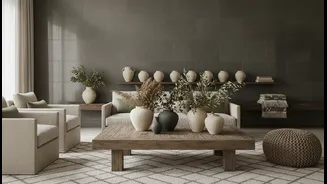
From rustic terracotta pots to refined ceramic tableware, clay brings an earthy, grounding element to modern spaces. The term terracotta literally means “baked earth,” and this material carries with it a sense of history and craftsmanship. You can incorporate it through a statement accent wall in a muted, earthy paint colour, or more subtly with decorative accessories. Group handmade pottery on open shelves, use a large terracotta-toned planter for a bit of greenery, or choose a sculptural ceramic lamp base. These pieces add character and a tactile quality that balances the clean lines of minimalist design.
The Comfort of Woven Textures
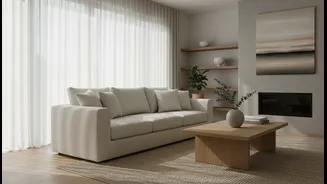
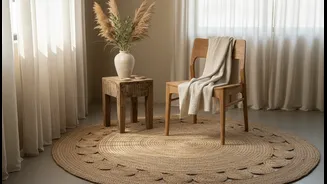
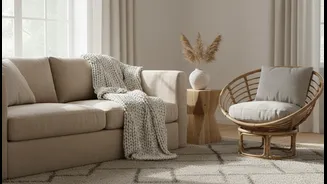
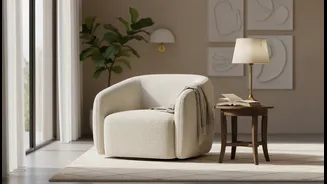
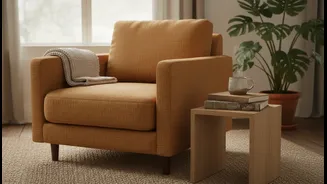
Woven materials are essential for adding softness and a layered feel to a minimalist room. They introduce tactile surfaces that catch light in subtle ways, preventing a space from feeling flat. A large jute or sisal rug can anchor a living area, instantly making it feel more inviting. Layer soft linen or cotton throws over a sofa, and choose curtains made from natural, breathable fabrics. Other woven elements like rattan chairs, wicker baskets for storage, or even a single piece of fibre art on the wall can enhance the room’s warmth without compromising its simple aesthetic. The contrast between these rougher, natural textures and smooth surfaces creates a balanced and dynamic space.
Creating a Balanced Harmony
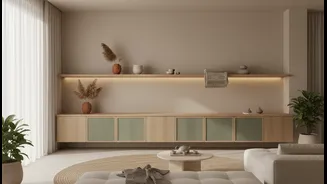
The key to successfully softening a minimalist interior is balance. The aim is not to fill the space, but to thoughtfully layer materials. Start with a neutral and earthy colour palette—think warm whites, beige, taupe, and soft greys. This soothing backdrop allows the textures of the wood, clay, and fabrics to stand out. When arranging items, allow for negative space; leave some walls bare and give furniture room to breathe. The interplay of smooth and rough, hard and soft, creates a rich sensory experience that feels complete and personal. Every piece should feel intentional, contributing to an atmosphere of quiet comfort and understated elegance.