






Embrace the One-Pot Wonder
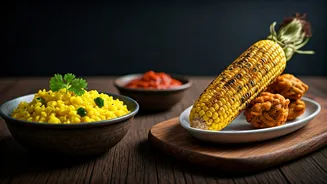
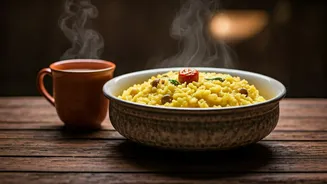
When it's pouring outside, the last thing anyone wants is a complicated kitchen project. This is where the humble, one-pot meal reigns supreme. At the top of this list is khichdi. A simple combination of rice and lentils, it is the ultimate comfort food
for a reason. It’s incredibly easy to digest, which is crucial during a season when our digestive systems can feel a bit sluggish. But simple doesn't mean boring. You can elevate your khichdi with a dollop of ghee, a tempering of cumin seeds and asafoetida (hing), or by adding easily digestible vegetables like carrots and peas. It’s a complete meal that warms you from the inside out, providing sustained energy without feeling heavy. It is the culinary equivalent of a warm hug on a gloomy day.
Soup Is Your Best Friend
Nothing cuts through the monsoon chill quite like a steaming bowl of soup. Whether it's a hearty tomato shorba, a tangy South Indian rasam, or a simple mixed vegetable soup, this liquid gold is essential for rainy season wellness. Soups are not only hydrating but are also an excellent way to load up on nutrients. The heat from the soup helps soothe a sore throat and clear nasal passages, common complaints during this season. Spices like ginger, garlic, and black pepper, often found in Indian soups, are known for their immunity-boosting and anti-inflammatory properties. A simple bowl of dal, thinned out to a soup-like consistency and spiced with turmeric, can be both a comforting meal and a protective tonic.
The Ritual of Chai and Snacks
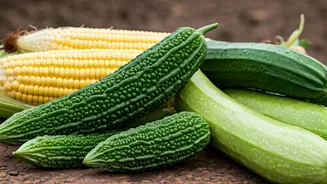
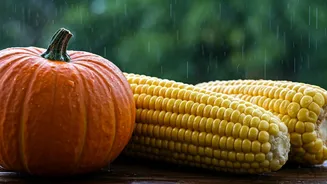
The bond between the Indian monsoon and a hot cup of chai is sacred. The simple act of brewing masala chai, with its aromatic blend of cardamom, cloves, ginger, and cinnamon, is a ritual that brings immense comfort. Paired with the right snack, it becomes an experience. This is the season of irresistible, deep-fried delights. Think crispy onion pakoras, piping hot samosas, or even a simple roasted corn on the cob (bhutta) rubbed with lemon and salt. While indulgence is part of the joy, the key is the ‘heat’. These snacks are always served fresh and hot, providing a satisfying crunch and warmth that perfectly complements the weather. It’s a tradition that celebrates the joy of the season through simple, flavourful bites.
Prioritise Cooked Over Raw
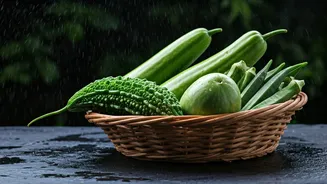
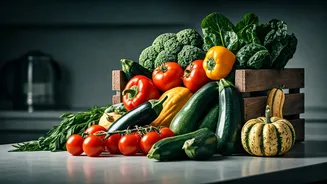
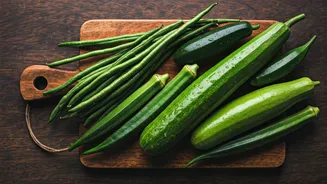
The monsoon brings an increased risk of water-borne diseases and bacterial contamination, which is why it's wise to be cautious with raw foods. Leafy green vegetables, for instance, can harbour germs and are best enjoyed cooked. Instead of raw salads, opt for lightly steamed or stir-fried vegetables. A simple stir-fry of beans, carrots, and cabbage with a dash of soy sauce and ginger is both safe and delicious. Cooking food kills harmful bacteria and makes it easier for your body to digest. This principle of simplicity and heat ensures that you can enjoy your vegetables without worrying about an upset stomach, allowing you to stay healthy and energetic throughout the season.
The Power of Warming Spices
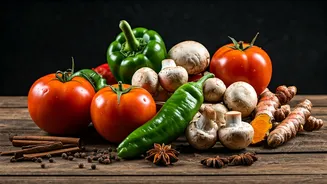
Indian cooking is renowned for its masterful use of spices, and in the rainy season, they become more than just flavouring agents—they become functional. Spices are categorised by their properties, and ‘warming’ spices are particularly beneficial during this time. Ginger is a powerhouse, aiding digestion and fighting infections. Turmeric is a potent anti-inflammatory and immunity booster. Black pepper helps clear congestion and improves nutrient absorption. Asafoetida (hing) is excellent for preventing bloating and gas. Incorporating these spices into your daily meals, from your morning chai to your dinner dal, is a simple way to support your body’s natural defences and keep it warm and balanced against the cool, damp weather.