


Croatia's Adriatic coastline is a dream, but its soaring popularity has a downside. The most famous destinations are often choked with crowds, leading to a stressful and expensive experience that doesn't live up to the hype.
Dubrovnik's Old Town
Known as the 'Pearl of the Adriatic',
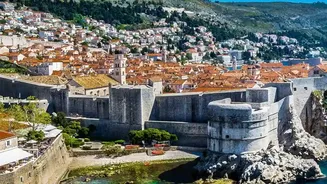
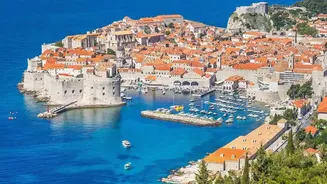
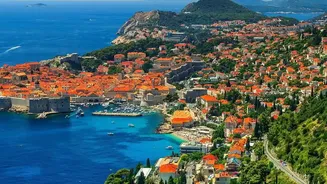
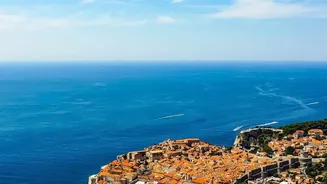
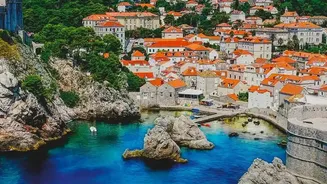
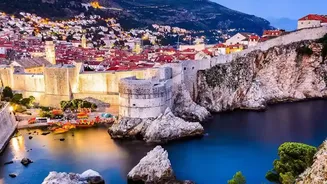
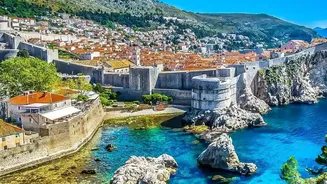
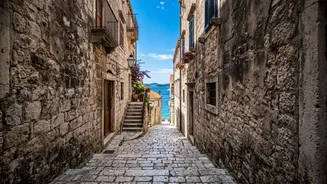
Dubrovnik's walled city is undeniably beautiful. However, visiting during peak season can feel less like discovering a historical marvel and more like navigating a theme park. The narrow limestone streets become gridlocked with tour groups and cruise ship passengers, making it difficult to appreciate the city's charm. Prices for everything from a simple coffee to a meal are inflated within the walls. The constant 'Game of Thrones' tourism adds another layer of commercialism that can detract from the authentic atmosphere. The experience of walking the famous walls often becomes a slow, crowded shuffle rather than a breathtaking stroll. Instead, consider visiting Šibenik. This historic city was built by Croats and boasts not one, but two UNESCO World Heritage sites: the Cathedral of St. James and St. Nicholas' Fortress. Its medieval old town is a labyrinth of charming alleys and courtyards that you can explore without the crushing crowds, offering a more authentic and relaxed atmosphere that rivals Dubrovnik's beauty.
Hvar Town in Peak Summer
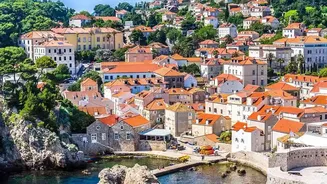
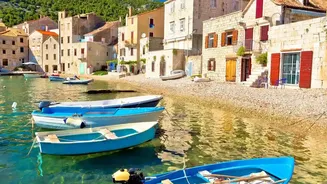
Hvar Town has a reputation as a glamorous party destination, attracting yachts and a see-and-be-seen crowd, especially in July and August. This has driven prices for accommodation, food, and drinks to exorbitant levels, making it one of Croatia's most expensive spots. If you're not there specifically for the high-end nightlife, the town can feel overwhelming and lose its local character during these months. The focus shifts so heavily towards tourism that finding an authentic, quiet experience becomes a real challenge. For a better experience, visit Hvar island but base yourself elsewhere. Stari Grad, one of Croatia's oldest towns, offers beautiful cobblestone streets and a more relaxed vibe on the other side of the island. Alternatively, for a true escape, take a ferry to the nearby island of Vis. Closed to foreigners until 1989 due to its use as a military base, Vis retains an unspoiled, rugged charm that feels a world away from Hvar's summer frenzy.
Split's Diocletian's Palace
The heart of Split is a living wonder: a Roman palace that has evolved into the core of a modern city. The downside is that this core is incredibly compact and gets extremely congested. Navigating the narrow passages of Diocletian's Palace during peak tourist hours means shuffling along with crowds, making it hard to soak in the history. While an architectural marvel, the sheer volume of foot traffic can turn exploration into a stressful task. As an alternative, the nearby town of Trogir is a fantastic choice. Just a short drive or boat ride from Split, Trogir's entire historic center is a UNESCO World Heritage site. It's a perfectly preserved island-town filled with Romanesque and Renaissance architecture, offering a similar historical richness to Split but with a much slower, more manageable pace. You can wander its marble-paved alleys and enjoy the seaside promenade without feeling rushed.
Plitvice Lakes at Midday
Plitvice Lakes National Park is, without question, one of Europe's most spectacular natural wonders. The problem isn't the place itself, but the experience of seeing it. During peak season, especially between 10 a.m. and 3 p.m., the narrow wooden boardwalks that snake across the turquoise lakes become incredibly crowded. This can lead to long lines and a frustrating, stop-and-go procession that detracts from the tranquility of the surroundings. With nearly 1.5 million visitors in 2024, most of them concentrated in July and August, the park can feel more like a queue than a nature escape. To avoid this, the best strategy is to time your visit carefully. Arrive at the park for the first entry slot of the day or visit in the late afternoon after the tour buses have departed. Visiting during the shoulder seasons of May, June, or September also provides a much better experience with fewer people and lower ticket prices. This allows you to enjoy the cascading waterfalls and serene lakes as they were meant to be seen.
Zlatni Rat Beach
Instantly recognizable from aerial photographs, Zlatni Rat (Golden Horn) on the island of Brač is Croatia's most famous beach. However, the reality on the ground often doesn't match the postcard image. The beach is made of pebbles, not sand, which can be uncomfortable to walk on without water shoes. More importantly, from mid-July to mid-August, the beach is packed with thousands of sunbathers, making it difficult to find a quiet spot. The famous 'horn' is constantly changing shape, but it's almost always lined with sun loungers and people. Instead of making a special trip for one crowded beach, explore the countless other coves and beaches Croatia has to offer. On Brač itself, you can find quieter spots away from the main town of Bol. For an even better alternative, head to the island of Korčula, often called 'Little Dubrovnik', which is dotted with beautiful small beaches and charming vineyards, offering a more peaceful coastal experience.