



The Official Announcement
Tata Motors has officially confirmed that it will increase prices across its entire passenger vehicle portfolio, effective September 1, 2026. The hike will be up to ₹25,000, but it's not a flat increase. Instead, the final amount will vary depending on the specific
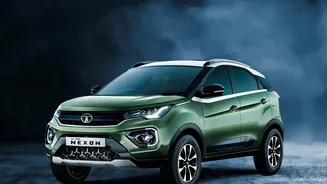
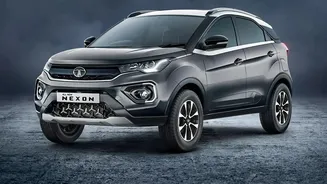
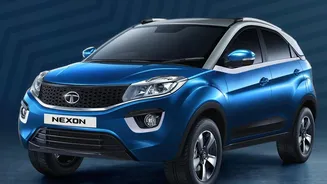
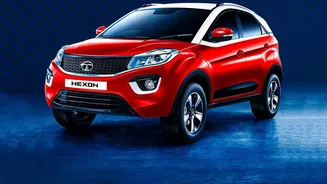
model and variant you choose. This price revision applies to the company's full range, including its popular internal combustion engine (ICE) cars like the Nexon, Punch, and Harrier, as well as its entire lineup of electric vehicles (EVs).
Why the Price Hike Now?
The primary reason cited by Tata Motors for this decision is the need to partially offset rising business costs. In its official statement, the company pointed to the dual pressures of increasing input material costs and sustained inflation. This is not a new challenge for the auto industry; commodity prices have been a concern for manufacturers throughout the year. In fact, this is the third time Tata has adjusted its prices in 2026, following smaller hikes in April and July. The company has stated that while it is absorbing a significant portion of these increased costs, a part of the burden must be passed on to customers to maintain business health.
Which Models Will Cost More?
The price revision is comprehensive, covering the entire passenger vehicle lineup. This includes all models from the entry-level Tiago and Tigor to the best-selling Punch and Nexon SUVs, and the premium Harrier, Safari, and the recently launched Curvv. Both petrol, diesel, and EV versions of these models will see a price adjustment. While Tata Motors has not released a detailed, variant-wise price list yet, the general principle is that the hike of "up to ₹25,000" means more expensive models and top-end variants will likely see a larger absolute increase, whereas entry-level models like the Tiago may see a more modest rise. The final, exact prices for each variant will be available at dealerships closer to the September 1 effective date.
The Big Question: Should You Buy Now or Wait?
This is the crucial question for any prospective buyer. The most straightforward advantage of buying before September 1 is locking in the current, lower ex-showroom price. If you have already decided on a model and variant, and it is available in stock at a dealership, completing the purchase and getting the vehicle invoiced before the end of August will save you money. However, the decision is more complex if there's a long waiting period for your chosen car. You should check with your dealer about their price protection policy; typically, the price applicable is the one at the time of invoicing, not booking. Waiting could also have a potential upside. The festive season, which follows shortly, often brings promotional offers like cash discounts, exchange bonuses, or free accessories. These deals could, in some cases, offset the price hike. Weigh the guaranteed savings of buying now against the potential (but not guaranteed) festive offers later.
What About Existing Bookings?
For customers who have already booked a Tata vehicle but are awaiting delivery, the key date is the date of invoicing. Company policies on price hikes generally state that the price applied is the one that is effective on the day the final invoice is generated, which is just before delivery. While some dealer-level or brand-level price protection schemes have been offered in the past for bookings made before a certain date, Tata Motors has not yet announced a specific price protection policy for this September hike. It is essential for those with existing bookings to contact their dealership immediately to get clarity on how the new prices will affect their final payment. Understanding the terms and conditions of your specific booking is critical.