
The Blueprint for a Blue Economy
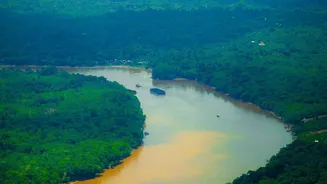
At the heart of this transformation is the National Waterways Act of 2016, which designated 111 rivers and canals as National Waterways (NWs). This legislative push expanded the country's navigable network to over 20,000 km, laying the groundwork for a strategic
shift in logistics. Before this, India had only five official national waterways. The plan isn't just about declaring waterways; it's about making them viable for large-scale cargo and passenger movement. This initiative is a core component of broader strategies like the Sagarmala Programme, which aims to promote port-led development, and the Jal Marg Vikas Project, which specifically focuses on enhancing the capacity of National Waterway-1 (the Ganga). The ultimate goal is to increase the share of inland water transport (IWT) in India's freight mix from its current low level of around 2% to something closer to global benchmarks, thereby reducing logistics costs that are a high 13-14% of the nation's GDP.
The Old Problem: Over-Reliance on Road and Rail
For decades, India's logistics were overwhelmingly dependent on congested roads and an overburdened rail network. This reliance made moving bulk goods—like coal, cement, steel, and food grains—slow and expensive. Transporting goods by road is significantly less fuel-efficient; one litre of fuel moves 24 tonne-kilometres by road, compared to 105 tonne-kilometres by waterway. The economic disadvantage was clear, with water transport costing a fraction of road transport per kilometre. However, a lack of investment left most waterways and associated infrastructure, like terminals, unusable for modern commerce. Without proper terminals to load, unload, and store cargo, and without seamless connections to industrial hubs and consumer markets (known as first- and last-mile connectivity), the rivers remained little more than geographical features. This made the cheaper, greener option of water transport practically inaccessible for most businesses.
How New Terminals Change the Game
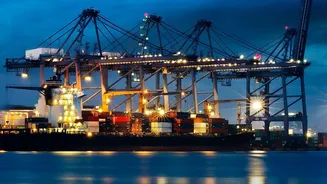
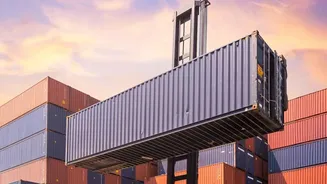
The expansion plan directly tackles this bottleneck by focusing on the development of multi-modal terminals. These are not just simple jetties; they are sophisticated logistics hubs designed to integrate water transport with road and rail networks. Projects like the multi-modal terminals at Varanasi, Sahibganj, and Haldia on NW-1 are prime examples. These facilities enable cargo to be transferred seamlessly from a barge to a truck or train, finally connecting the river to the factory gate or marketplace. By building this critical infrastructure, the government is making water transport a practical choice. The case for terminal access is no longer just theoretical; it's becoming a business necessity. As these terminals become operational, they create a 'pull' factor, encouraging businesses to re-evaluate their supply chains and consider locating new industrial facilities along these water corridors to leverage the cost savings.
The Economic Ripple Effect for Businesses
For businesses, improved terminal access unlocks significant advantages. The most direct benefit is cost reduction. Waterways are inherently cheaper for moving bulk and oversized cargo, and the government's push is making this mode more accessible. The Jalvahak Scheme, for instance, provides incentives to promote cargo movement on inland waterways. This shift also leads to environmental benefits, as water transport has a much lower carbon footprint than road transport. Furthermore, enhanced waterway connectivity, especially through routes like the Indo-Bangladesh Protocol, opens up new avenues for trade with neighbouring countries. Companies can reach new markets and integrate more efficiently into regional supply chains. By decongesting highways and railways, the waterways expansion also contributes to overall economic efficiency, reducing transit times and making the entire logistics ecosystem more resilient.
Navigating the Challenges Ahead
Despite the progress, significant hurdles remain. A major challenge is attracting sufficient private investment to build and operate the vast network of terminals required. To address this, the government has introduced regulations to facilitate private sector participation through Public-Private Partnership (PPP) models. Ensuring year-round navigability through consistent dredging, managing the environmental impact of this activity, and building out the last-mile road and rail connections to every terminal are ongoing, capital-intensive tasks. There is also a need to increase awareness among cargo owners and logistics operators, many of whom are accustomed to traditional road and rail systems and may be hesitant to switch without proven reliability and efficiency. The success of the entire vision hinges on creating a complete and dependable ecosystem, not just isolated pockets of development.