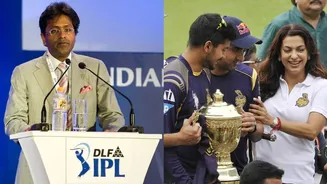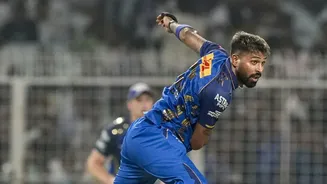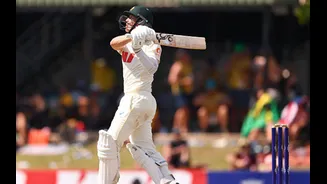

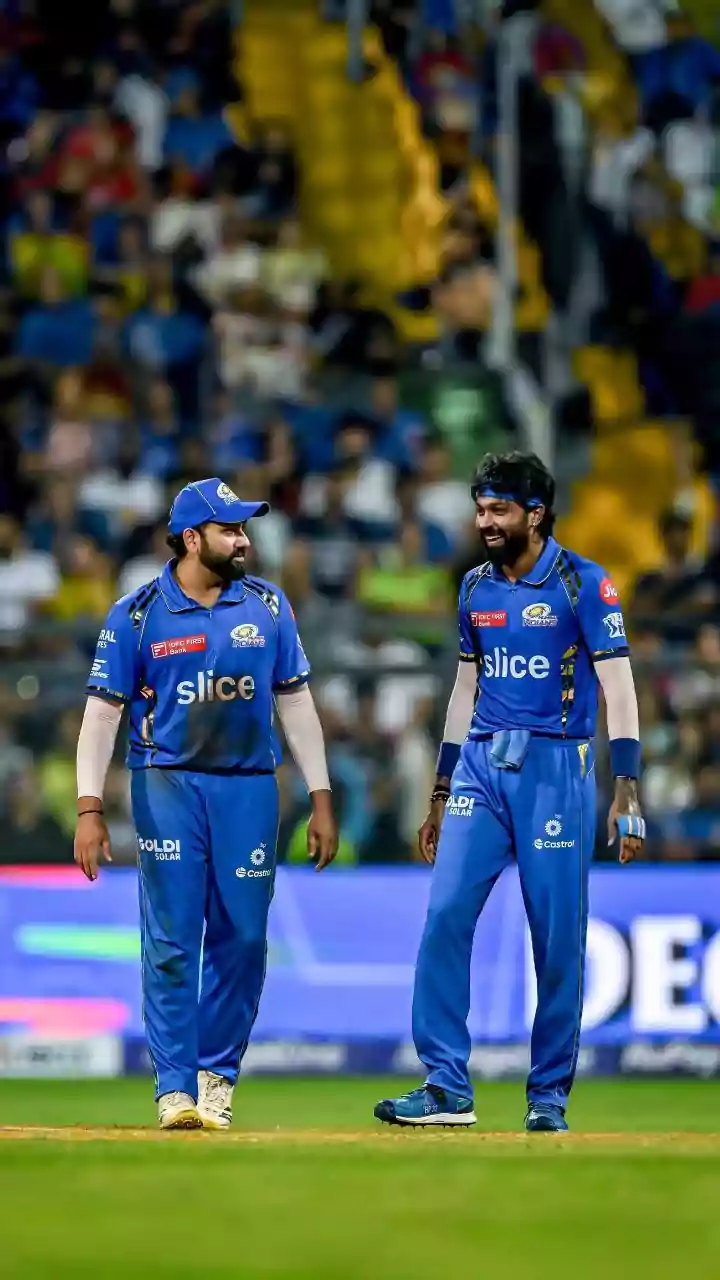


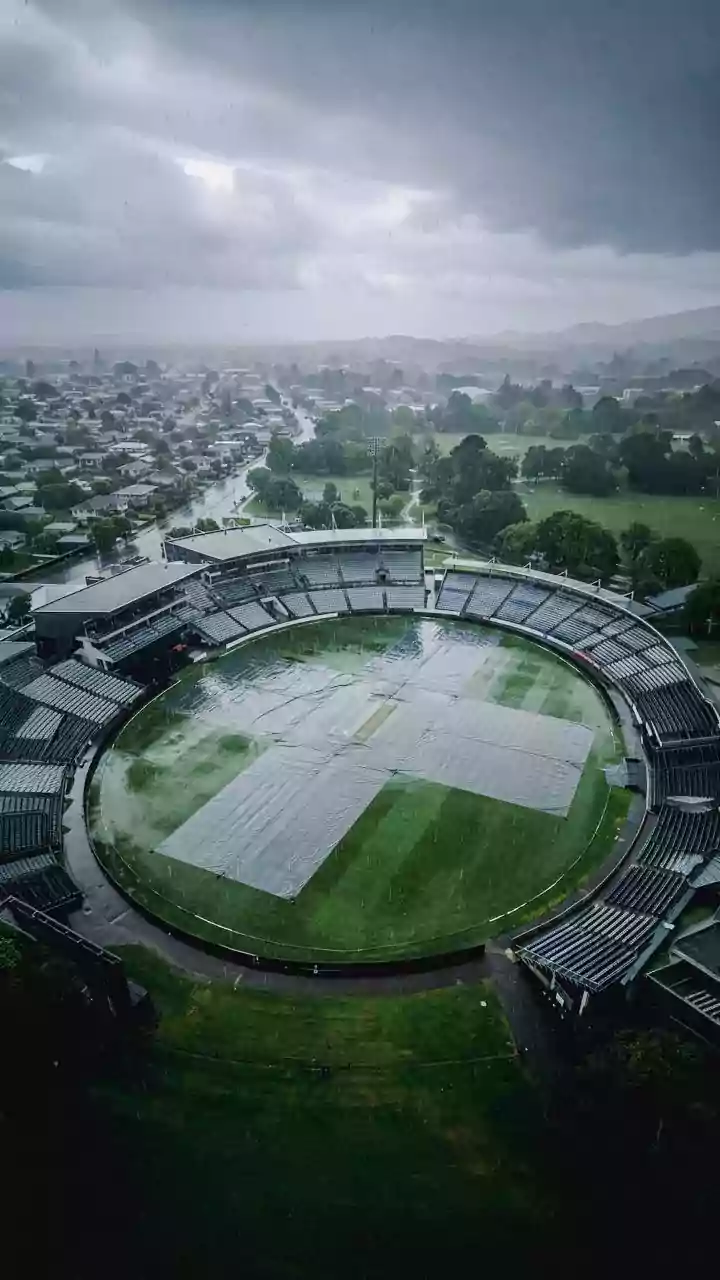


The debate around the IPL's schedule has a new lease of life. With Punjab Kings' Ness Wadia joining KKR's Juhi Chawla in backing a January start, the idea of a winter tournament is gaining momentum. But what makes this proposal so appealing?
Avoiding the Summer Grind
The most prominent
argument for a January IPL is player welfare and spectator comfort. The current March-May window often sees players battling extreme heat and humidity across India, with temperatures soaring past 40 degrees Celsius. This not only risks player health, leading to fatigue and injuries, but also makes for a less comfortable experience for fans in the stadiums. Both Wadia and Chawla have highlighted the punishing conditions of the summer months as a key reason to consider a change. A January tournament, held in India's winter, would offer cooler and more pleasant conditions, potentially leading to a higher quality of cricket and a better overall experience for everyone involved.
The Quest for an Exclusive Window
A long-held dream for the IPL has been to secure an undisputed, exclusive window in the global cricket calendar, ensuring the availability of every top international star. The current schedule often sees players arriving late or leaving early due to national team commitments. Proponents, including the IPL's first chairman Lalit Modi, argue that the tournament's commercial power is now so immense that it should dictate the calendar, not the other way around. A dedicated January window could, in theory, allow other cricket boards to schedule their international fixtures around the IPL, guaranteeing a full roster of stars for the entire tournament and further boosting its global appeal.
A New Year's Cricketing Festival
From a marketing and commercial perspective, a January start holds significant appeal. The new year is a time of celebration and high consumer spending, and positioning the IPL as a premier new year sporting festival could open up fresh opportunities. It would move the tournament away from the crowded summer schedule, which includes school exams and other holiday periods. Furthermore, some have pointed out that a September-October window aligns with the pre-Diwali festive advertising season, suggesting that any move away from summer could have commercial upsides if planned correctly. A January start could similarly tap into a new wave of fan excitement and commercial energy at the beginning of the year.
The Monumental Hurdles
Despite the compelling arguments, shifting the IPL to January is fraught with challenges. The primary obstacle is the already packed international calendar. January 2027, for example, is scheduled to feature India hosting a five-Test series against Australia, along with other tours involving major cricket nations. Furthermore, January is the established window for Australia's Big Bash League and South Africa's SA20, creating direct clashes for players, many of whom have contracts with IPL-owned franchises in those leagues. There are also logistical issues within India, such as heavy fog and dew in northern cities during winter, which could disrupt evening matches. Finally, the BCCI itself seems focused on a more modest shift, potentially starting the tournament slightly earlier in March, rather than undertaking a complete January overhaul.