





The Sunshine Vitamin Paradox
Studies consistently show that 70-90% of Indians across all age groups and regions have insufficient levels of Vitamin D. But how can this be in a country with abundant sunshine? The reasons are rooted in modern life. Urban, indoor jobs, air pollution
that blocks UVB rays, cultural preferences for avoiding the sun, and darker skin tones (which naturally require more sun exposure to produce the same amount of Vitamin D) all contribute to this widespread issue. While sunlight exposure between 10 AM and 3 PM is the most effective way for our bodies to synthesise Vitamin D, it's not always practical or possible for everyone. This is where our diet can lend a helping hand.
Food as a Supporting Act, Not the Main Show
Before we dive into our kitchen pantries, it's crucial to set realistic expectations. Food sources alone can rarely correct a significant Vitamin D deficiency. Sunlight remains the primary and most potent source. Think of dietary Vitamin D as a valuable and consistent top-up, helping you maintain levels and support the benefits of sensible sun exposure. The goal is to build a balanced diet that regularly includes these foods, rather than seeking a single 'superfood' to solve the problem overnight. For anyone with symptoms of deficiency like bone pain or persistent fatigue, consulting a doctor for testing and personalised advice is essential.
For the Non-Vegetarian Plate
Fatty fish are nutritional powerhouses and one of the best natural sources of Vitamin D. In an Indian context, this includes readily available options like mackerel (Bangda), sardines (Mathi/Tarli), and Hilsa (Ilish). A single serving of fatty fish a few times a week can significantly contribute to your intake. Another accessible hero is the humble egg. While the whites are all about protein, the yolk contains Vitamin D, making a simple two-egg breakfast a helpful addition. Incorporating dishes like a traditional fish curry or a spicy egg bhurji into your weekly meal plan are easy and flavourful ways to boost your levels.
Vegetarian and Plant-Based Options
For vegetarians, the options are more limited, but they do exist. Mushrooms are unique in the plant kingdom as they can produce Vitamin D when exposed to UV light. Some mushrooms are commercially grown under UV lamps, or you can even increase their Vitamin D content by leaving them in direct sunlight for a short period before cooking. However, it's important to note that regular button mushrooms grown in the dark contain very little. Beyond mushrooms, the focus shifts to fortified foods, which are becoming increasingly common in the Indian market.
The Rise of Fortified Foods
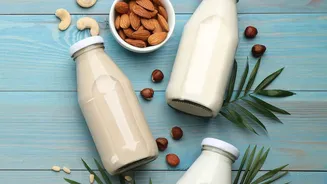
Food fortification is the process of adding micronutrients like vitamins to everyday staples. In India, this is a key strategy to combat widespread deficiencies. When you are shopping, keep an eye out for products explicitly labelled as 'fortified with Vitamin D'. This includes milk, yogurt, and other dairy products, which also provide calcium that works in tandem with Vitamin D for bone health. Many brands of cooking oil, breakfast cereals, and plant-based milks like soy or almond milk are also fortified. Choosing these fortified versions of products you already use is a simple, effective way to integrate more Vitamin D into your family's diet without drastic changes.