



Beyond the White Box
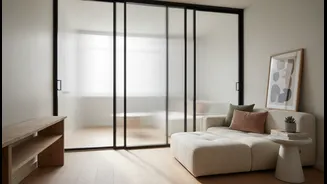
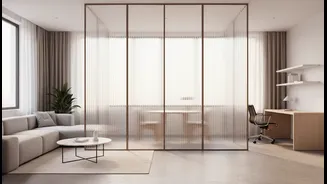
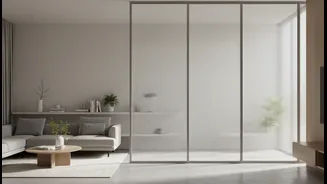
The core idea of earthy minimalism is to combine the simplicity of a clutter-free aesthetic with the warmth and character of the natural world. It moves beyond the stereotypical stark white and embraces a palette that makes a space feel restorative and calm.
This style isn’t about owning less for the sake of it; it's about surrounding yourself with pieces that serve a purpose and contribute to a feeling of peace and belonging. The focus shifts from deprivation to intentional selection, creating a home that feels both thoughtfully curated and deeply welcoming.
A Palette Pulled from Nature
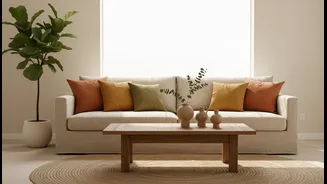
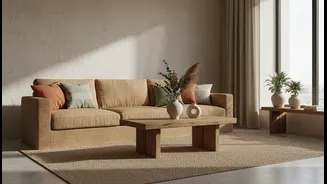
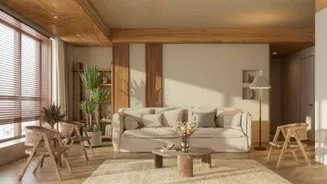
The colour scheme is the foundation of this inviting style. Instead of cold, clinical whites, earthy minimalism draws from a warmer, more grounded palette. Think of colours that evoke soil, sand, stone, and plants. Warm neutrals like cream, sand, beige, and taupe create a soothing backdrop. These are complemented by richer accent tones like terracotta, soft olive green, rust, and charcoal. This combination of colours, all sharing a subtle brown pigment, ensures they work harmoniously together, creating a cohesive and cocooning effect. The goal is to build a layered, gentle look that feels connected to the outdoors.
The Embrace of Natural Materials
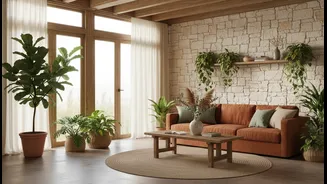
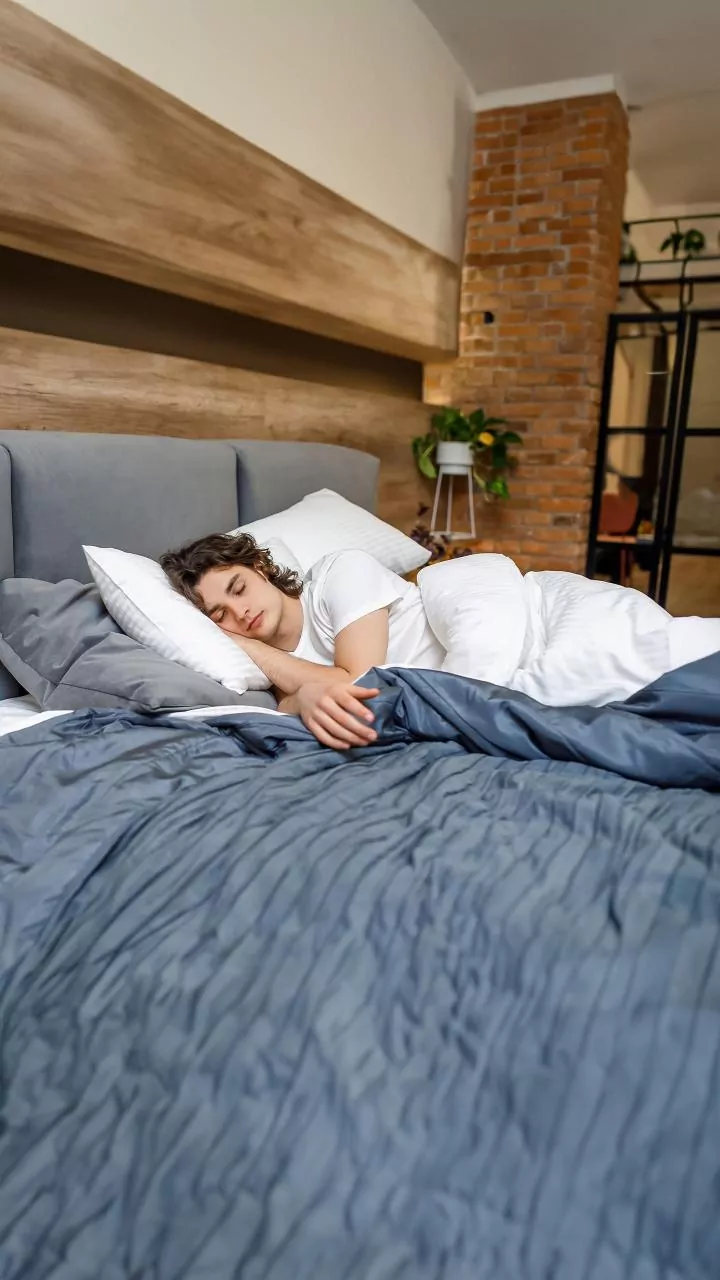
One of the most significant ways earthy minimalism generates warmth is through its focus on natural materials. Synthetics and glossy, flat surfaces are traded for organic textures that have an inherent character. Wood is a cornerstone, bringing natural grain and warmth whether it's in flooring, furniture, or small decorative accents. Other key materials include stone, rattan, jute, clay, and leather. These elements not only add visual warmth but also a tactile richness that makes a room feel more complete and lived-in. They often develop a beautiful patina over time, adding to the home’s authentic and timeless feel.
Texture Is Everything
In a minimalist space, texture does the heavy lifting, adding depth and visual interest without creating clutter. A room with only smooth surfaces can feel cold and one-dimensional, but layering different textures brings it to life. This can be achieved through soft textiles like linen curtains, wool blankets, and cotton throws. A thick wool or jute rug can anchor a living area and add instant coziness underfoot. Even small decor items like woven baskets, handmade ceramic vases, and leather cushions contribute to a layered, dynamic feel. This focus on texture is what separates a warm, inviting minimalist home from an empty one.
Mindful Curation Over Deprivation
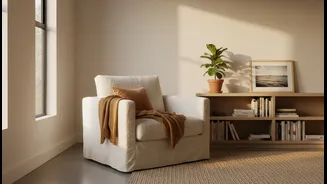
Earthy minimalism is not about empty shelves and bare walls. It's about making deliberate choices. Furniture should be functional, with simple silhouettes that don't overwhelm the space. Often, pieces with soft curves or rounded edges are favoured to break up the hard lines. Decor is kept intentional, with a focus on quality over quantity. This might mean a single piece of abstract art in muted tones, a few beautiful ceramic vessels, or a collection of books on a bedside table. The goal is to leave enough negative space to give your eyes a place to rest, making the items you do choose to display feel more significant and personal.
Let There Be (Soft) Light
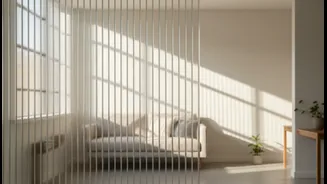
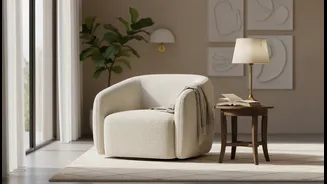
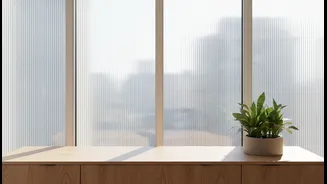
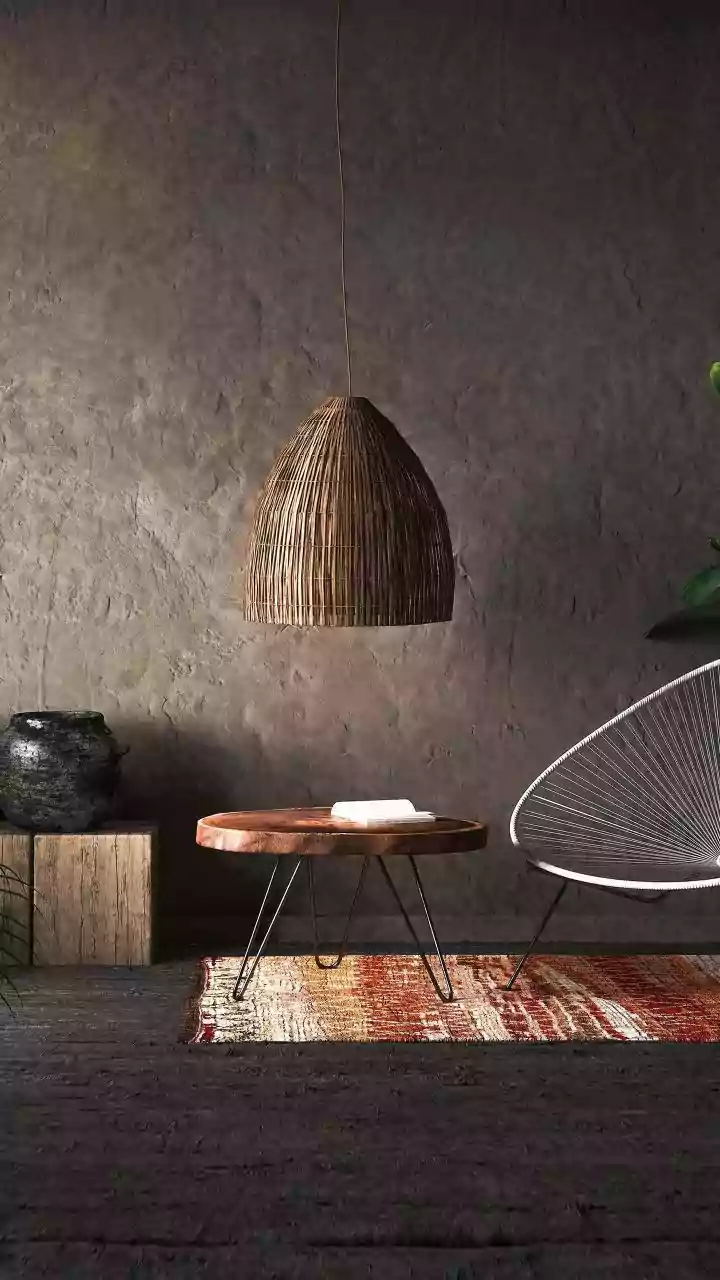
Lighting is crucial in setting a warm, inviting mood. Harsh overhead lights can make a space feel sterile. Earthy minimalism relies on layered lighting to create a soft, gentle glow. This means using a mix of ambient, task, and accent lighting. Think of table lamps with linen shades, pendants made from paper or rattan, and warm-toned bulbs. Maximising natural light is also key, as it enhances the natural colours and textures in the room. In the evenings, the soft, distributed light sources create a relaxed atmosphere that is essential to the style's comforting appeal.