

The Search for Serenity
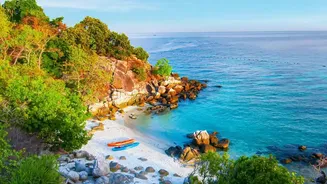
For years, the quintessential coastal holiday meant staking out a spot on a crowded beach, the air filled with music and the buzz of a thousand other vacationers. But a significant shift is underway. Travellers, increasingly weary of the commercialism
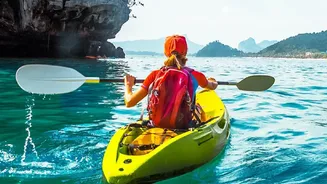
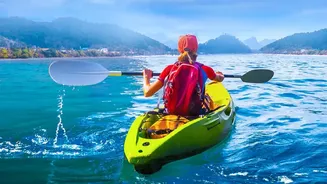
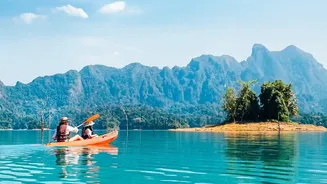
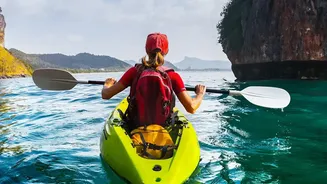
and overtourism that define many popular beach destinations, are now seeking something more. This desire for deeper, more meaningful experiences has led them to the quiet, winding backwaters of the Konkan Coast. Instead of fighting for a sunbed, they are navigating serene waterways in a kayak, trading loud parties for the peaceful rhythms of nature. This movement is part of a broader trend toward 'slow travel', which prioritises genuine connection and personal well-being over a packed itinerary.
Discovering the Konkan Backwaters
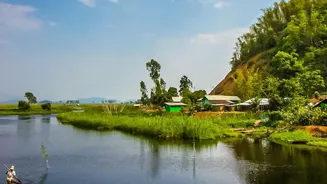
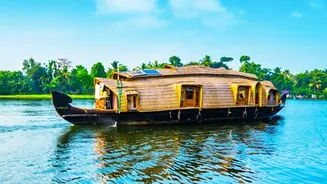
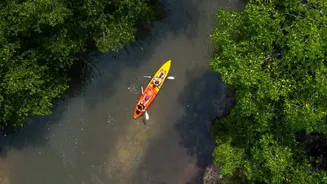
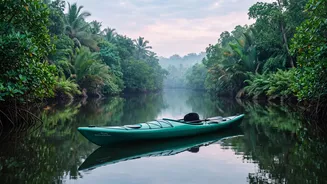
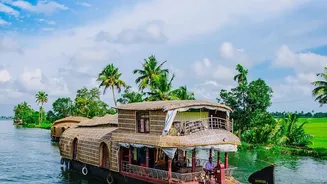
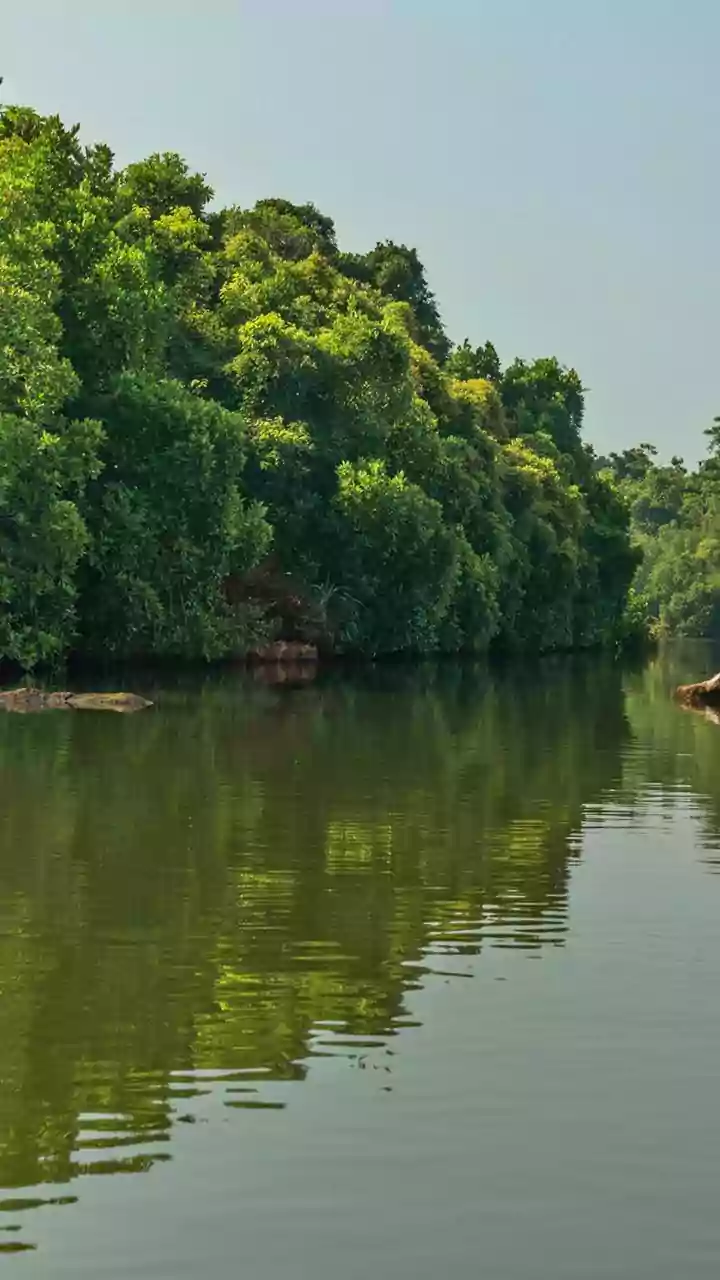
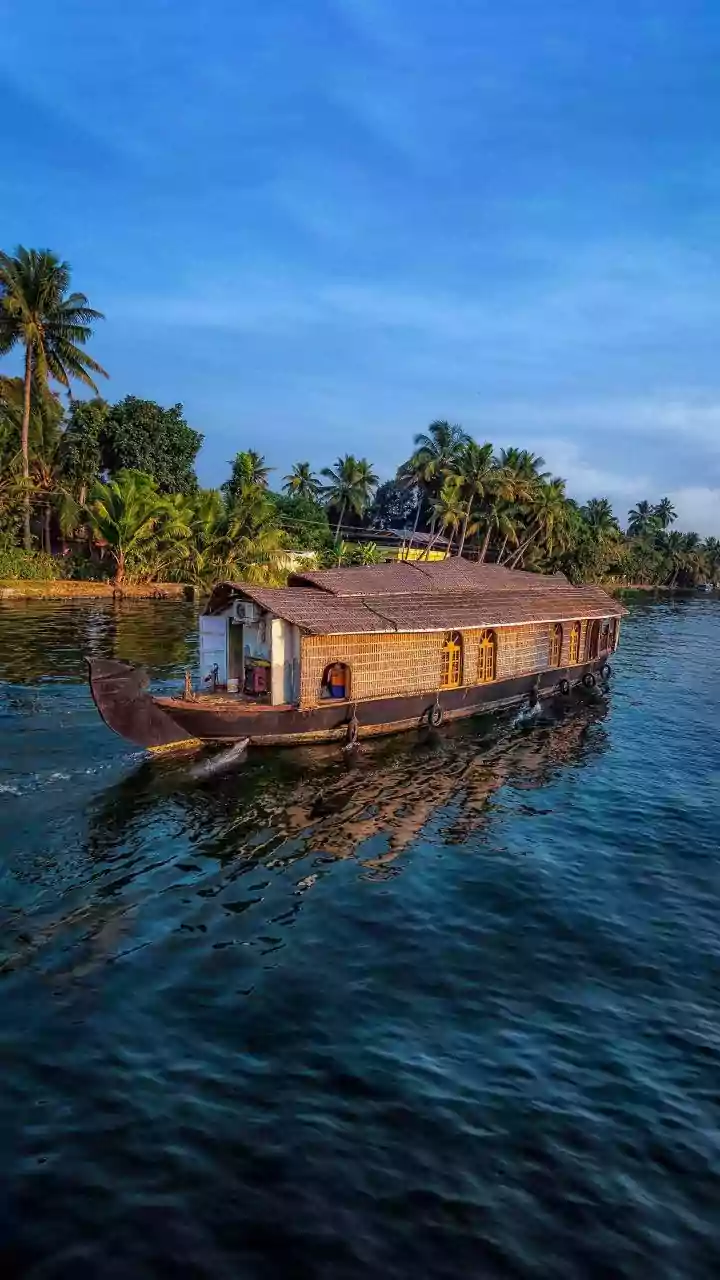
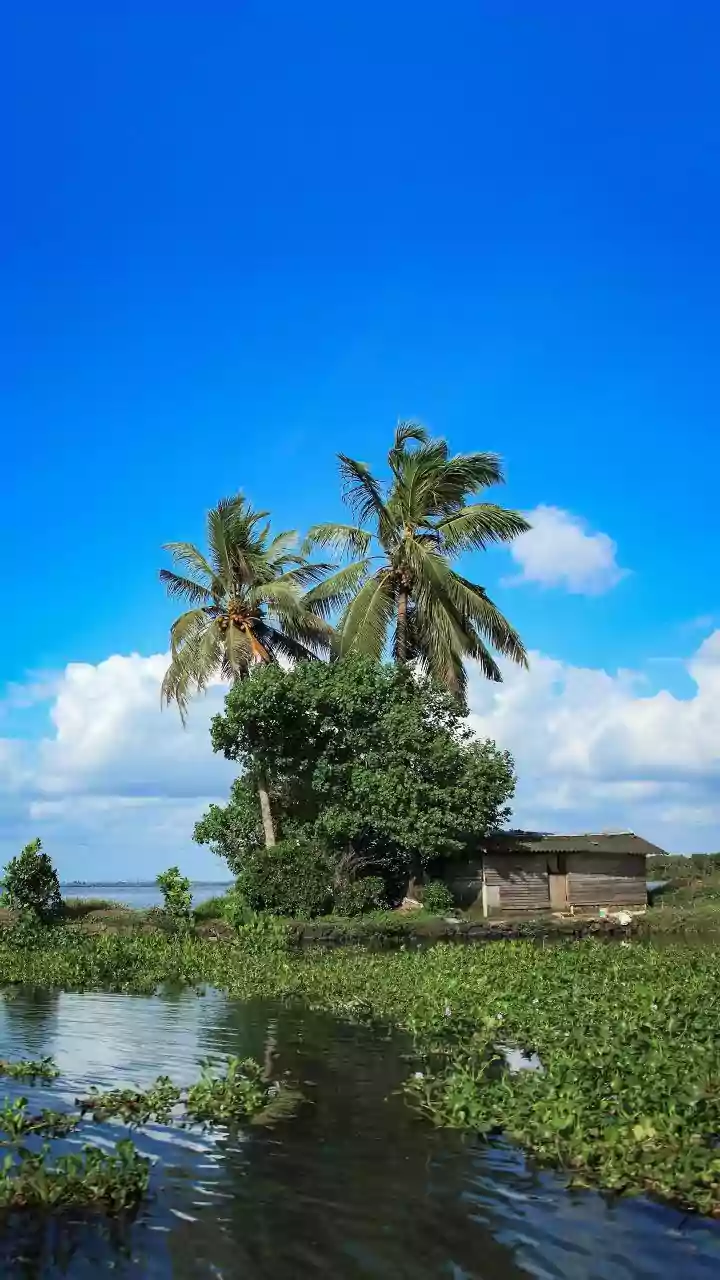
While Kerala's backwaters are famous, the Konkan Coast in Maharashtra, particularly in the Sindhudurg district near towns like Malvan and Vengurla, offers its own unique and less-travelled network of serene estuaries and creeks. Here, rivers meet the Arabian Sea, creating a tranquil ecosystem of dense mangrove forests, coconut groves, and sleepy fishing villages. Unlike the open sea, these backwaters are calm and sheltered, making them perfect for exploration by kayak. The experience is immersive; paddlers can get up close to the intricate root systems of mangroves, spot diverse birdlife, and witness a side of coastal life that remains hidden from the main beaches.
What Makes Kayaking 'Mindful'?
The term 'mindful travel' refers to being fully present and engaged in your journey. Kayaking is inherently mindful. It requires your complete attention and physical presence, forcing you to disconnect from digital distractions. The slow pace of paddling allows for a deeper appreciation of the surroundings — the reflection of the sky on the water, the rustle of leaves, the scent of the sea air. It's an active, not passive, way to engage with nature. This intentional approach stands in stark contrast to the often mindless consumption of experiences at a bustling resort. It's about quality over quantity, fostering a genuine connection with the place rather than just observing it from a distance.
An Eco-Conscious Choice
This shift is also driven by a growing environmental consciousness. Mindful travellers are increasingly aware of their footprint and prefer activities that are low-impact and sustainable. Kayaking, being a non-motorized activity, is inherently eco-friendly. Furthermore, the rise of backwater kayaking has given birth to small-scale, local eco-tourism operators. Choosing to kayak with these local guides directly supports the community economy, providing livelihoods to fishermen and villagers. It ensures that tourism revenue benefits the people who are the custodians of the local environment, promoting a model of travel that is responsible and regenerative. Many operators emphasise conservation, educating visitors on the importance of the delicate mangrove ecosystem.
More Than Just a Paddle
The appeal extends beyond the activity itself. A trip focused on backwater kayaking often involves staying in local homestays or eco-resorts, eating authentic Malvani cuisine, and experiencing the local culture in a more intimate way. It's a complete departure from the homogenized experience of a large resort. It represents a journey back to basics, where the luxury is not in the amenities but in the authenticity of the experience, the silence, and the unspoiled natural beauty. Operators along the Chapora River and in areas like Khavane offer guided tours that are safe for beginners and families, making this unique adventure accessible to all who seek it.