







Packed with Powerful Antioxidants
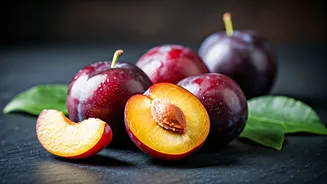
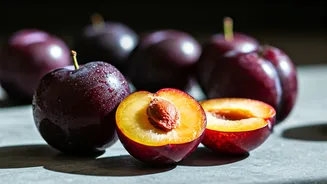
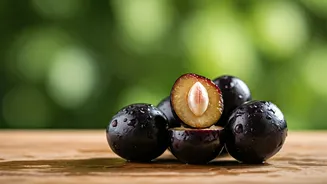
Plums are rich in antioxidants, which are compounds that help protect your body’s cells from damage caused by free radicals. They are particularly high in polyphenol antioxidants, especially a type called anthocyanins, which are responsible for the fruit's
dark red, purple, and blue colours. These antioxidants help reduce inflammation and may lower the risk of several chronic conditions, including heart disease and certain cancers. Studies suggest that plums contain more of these protective compounds than many other fruits, including peaches and nectarines.
A Natural Boost for Digestive Health
One of the most well-known benefits of plums, and their dried form known as prunes, is their ability to support digestive health. Plums are a good source of dietary fibre, which adds bulk to stool and promotes regular bowel movements. They also contain sorbitol, a natural sugar alcohol that acts as a laxative by drawing water into the colon, helping to ease constipation. For this reason, both fresh plums and prune juice are often recommended as a natural remedy for keeping your digestive system running smoothly.
Strengthens and Protects Your Bones
Emerging research highlights a surprising benefit of plums, particularly prunes: they can support bone health. Some studies have linked consumption of dried plums with a reduced risk of osteoporosis, a condition characterized by low bone density. Prunes contain several key nutrients for bone health, including vitamin K, potassium, magnesium, and boron. Research suggests that eating dried plums may not only help prevent bone loss, especially in postmenopausal women, but may also have the potential to reverse bone loss that has already occurred.
Supports a Healthy Heart
Regularly including plums in your diet may have a protective effect on your heart. Their high content of fibre, potassium, and antioxidants contributes to cardiovascular health. Potassium helps manage blood pressure by easing tension in blood vessel walls, and the phytochemicals in plums can help lower inflammation associated with heart disease. The soluble fibre in plums can also play a role in managing cholesterol levels, another key factor for heart health.
Helps Manage Blood Sugar
Despite their sweetness, plums have a low glycemic index, meaning they cause a slower, more gradual rise in blood sugar levels compared to high-glycemic foods. The fibre in plums slows down the rate at which your body absorbs carbohydrates after a meal. Furthermore, compounds in plums may help your body produce adiponectin, a hormone that plays a role in blood sugar regulation. This makes plums a suitable and healthy fruit choice for individuals looking to manage their blood sugar.
Simple to Add to Any Meal
Incorporating plums into your diet is both easy and delicious. They can be eaten raw as a simple snack—just be sure to avoid the pit. Sliced plums make a great topping for yoghurt, oatmeal, or salads. They can be blended into smoothies, baked into tarts and muffins, or cooked down into a sauce to serve with savoury dishes like chicken or pork. Whether fresh or dried as prunes, this versatile fruit offers a simple way to add flavour and a wealth of nutrients to your daily routine.