




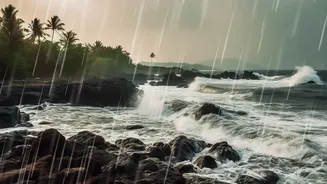

Trip Cancellations and Delays
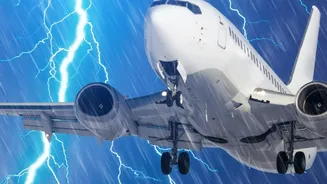
The most common issue during monsoon is the disruption of travel plans. Heavy rainfall can lead to flight delays or outright cancellations, and trains can be rescheduled due to waterlogged tracks. If your flight is cancelled or your trip is interrupted
because of severe weather, a good travel insurance policy can be a financial lifesaver. It can help recover non-refundable expenses for flights, hotel bookings, and pre-paid tours that you are forced to abandon. However, be aware that there is often a minimum delay period, such as 12 hours, before you can claim benefits for travel delays.
Getting Stranded by Nature
Beyond just delays, the monsoon can physically block your way. Landslides are a frequent hazard in hilly regions, and flash floods can make roads impassable in coastal and low-lying areas. This could leave you stranded, forcing you to incur unexpected costs for additional accommodation and food. A comprehensive travel insurance policy with natural disaster coverage can assist in these situations. Some policies offer emergency cash assistance or cover costs for alternate transport and accommodation if you are stuck due to a covered reason. Emergency evacuation coverage is also crucial, as it can pay to transport you to a safer location if your area becomes uninhabitable.
Health Emergencies on the Road
The monsoon season creates a breeding ground for various illnesses. The risk of contracting vector-borne diseases like dengue, malaria, and chikungunya increases significantly due to stagnant water. Water-borne ailments such as cholera and typhoid are also more prevalent. Furthermore, slippery roads and poor visibility increase the chances of road accidents. Travel insurance that includes robust medical coverage is vital. It can cover the costs of hospitalisation, medication, and diagnostic tests. Given that healthcare in private hospitals can be expensive, having insurance ensures you get the necessary treatment without a financial shock.
Loss or Damage to Belongings
Heavy downpours can pose a threat to your personal belongings. Luggage can get soaked during transit, and sensitive electronics like cameras and laptops are particularly vulnerable to water damage. While comprehensive travel insurance often includes coverage for lost or delayed baggage, it is important to check the specifics regarding damage. Some policies might have exclusions for damage caused by gradual water seepage versus sudden incidents. Always protect your electronics in waterproof bags and check if your policy has sub-limits or specific exclusions for valuable items.
The Fine Print: What Might Not Be Covered
Not all travel insurance policies are created equal, and exclusions are where things get tricky. A major point to remember is that if a weather event like a cyclone or flood has already been officially announced before you purchase your policy, any claim related to it will likely be rejected. Many standard policies also exclude injuries from high-risk adventure sports like white-water rafting, which are popular in the monsoon. You may need to purchase a specific add-on for such activities. Lastly, incidents occurring while under the influence of alcohol are a universal exclusion. Always read the policy document carefully to understand its limitations.