

The Science of a Steady Morning
The feeling of being alert and productive one moment, then foggy and reaching for snacks the next, is often tied to your breakfast choice. The culprit is usually a meal high in simple carbohydrates and sugar, like sweetened cereals or toast made from
refined white flour. These foods cause a rapid spike in blood sugar, followed by a sharp crash, leaving you drained. The solution lies in complex carbohydrates. Unlike their simple counterparts, complex carbs are broken down slowly by the body. This gradual process provides a steady, sustained release of glucose—your body's primary fuel source—into the bloodstream, ensuring you have consistent energy for hours. Traditional Indian breakfasts excel at providing exactly this kind of fuel.
The Poha Advantage: Light Yet Powerful
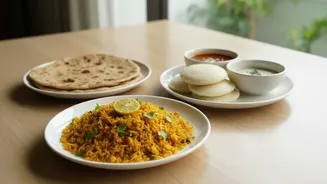
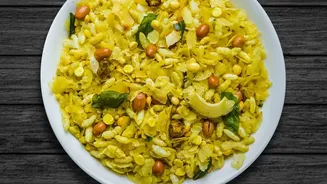
Poha, made from flattened rice, is a breakfast favourite across Western and Central India for good reason. It's incredibly light on the stomach but is a fantastic source of healthy carbohydrates and dietary fibre. This combination ensures a slow release of energy that keeps you active and focused throughout the morning. Poha has a moderate glycemic index, which helps in managing blood sugar levels and preventing those dreaded energy slumps. Furthermore, the preparation process, which often involves a light tempering and the addition of vegetables and peanuts, turns it into a well-rounded meal. Peanuts add a dose of protein and healthy fats, which further promote satiety and balanced nutrition. It is also rich in iron, making it a great choice to prevent deficiencies.
Idli: The Power of Fermentation
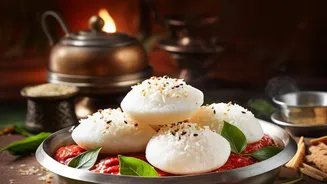
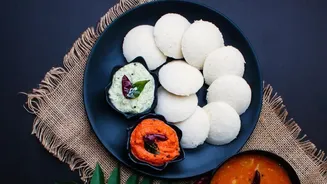
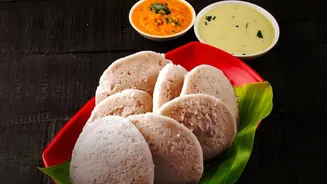
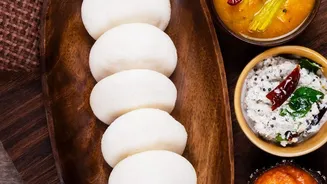
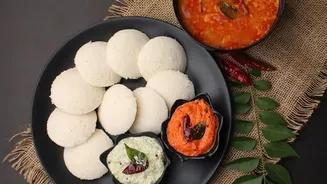
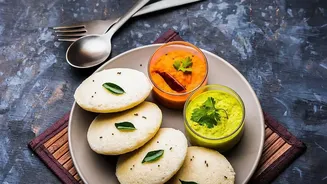
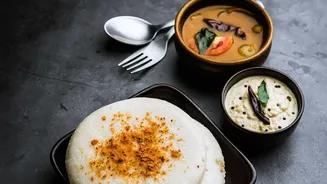
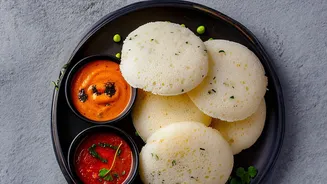
The humble idli, a staple in South India, is a marvel of nutritional science. Made from a fermented batter of rice and urad dal (black gram), these steamed cakes are more than just simple carbs. The fermentation process is transformative; it breaks down the starches, making idlis incredibly easy to digest and gentle on the stomach. This process also increases the bioavailability of proteins and enhances the Vitamin B content in the food, which is crucial for energy metabolism. The combination of rice (a carbohydrate) and urad dal (a protein) creates a complete protein profile and provides the complex carbohydrates needed for lasting energy. Because they are steamed and not fried, idlis are low in fat and calories, delivering nourishment without making you feel heavy or sluggish.
Khapli Parathas: Ancient Grains for Modern Energy
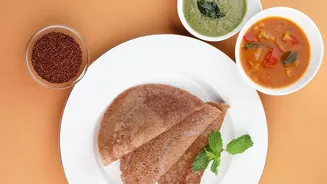
While parathas are a North Indian breakfast staple, the type of wheat used makes all the difference. Swapping regular wheat for Khapli (also known as Emmer wheat) is a significant upgrade. Khapli is an ancient, traditionally grown grain that is richer in protein and dietary fibre than many modern wheat varieties. Its higher fibre content means it digests more slowly, helping you feel full for longer and supporting stable blood sugar levels. This ancient grain has a naturally lower glycemic index, which ensures a slower, more controlled release of glucose into the bloodstream. Many people also find Khapli wheat easier to digest due to its different gluten structure, making it a lighter yet more nutritionally dense option for your morning rotis and parathas.
Making the Smart Swap
Incorporating these regional gems into your breakfast routine is a simple way to invest in your daily well-being. Instead of reaching for a sugary granola bar or a buttered slice of white toast, consider a plate of vegetable poha. Swap a heavy, starchy masala dosa for lighter, protein-rich moong dal dosas or idlis with a hearty vegetable sambar. When making parathas, simply switching to Khapli atta can boost the fibre and protein content of your meal significantly. These traditional foods are not just culturally significant; they are nutritionally engineered to provide the very thing we seek in our busy modern lives: sustained, reliable energy to power through the day.