






A Ritual to Banish Sickness
At the heart of Jowai's rainy-season prominence is the Behdienkhlam festival, a vibrant cultural event celebrated by the Pnar people. The name itself, translating to “chasing away the demon of plague” or cholera with sticks, speaks to its origins as a powerful
ritual for communal cleansing and spiritual protection. Held annually in July after the sowing season, this four-day festival is an invocation for good health, a bountiful harvest, and the driving away of evil spirits that thrive in the dampness of the monsoon. Rooted in the traditional Niamtre faith, it predates modern medicine, representing a community's resilient response to the health challenges posed by the intense rainy season. It’s a profound mix of spiritual reverence, agricultural hope, and a practical, historical need for purification.
The Rhythms of the Festival
The festival is a sensory spectacle. It begins with solemn rites led by the 'Daloi,' or chief, but quickly builds into a public celebration. One of the most symbolic acts involves young men beating the roofs of every house with bamboo poles to symbolically drive away sickness. The festival's visual centerpiece is the 'rot'—tall, elaborately decorated bamboo structures, akin to chariots, that are created by different localities. These towering creations are carried through the streets amidst the sound of pipes and drums before being ceremonially immersed in a sacred pool called Aitnar. The celebration culminates in a unique game called 'dad-lawakor,' a form of football played with a wooden ball in a muddy field. The outcome is believed to predict which region will have a more bountiful harvest in the coming year, blending sacred ritual with spirited competition.
A Celebration of Community and Rain
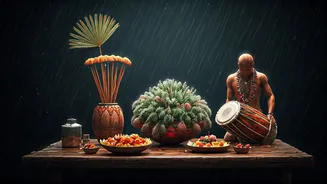
While men lead the vibrant, energetic dances and public rituals, women play an equally vital, albeit quieter, role by preparing sacrificial food for the ancestors. This division of duties highlights the festival's deep-seated connection to family and heritage. The entire community comes together, reinforcing social bonds and a shared cultural identity. Far from being a deterrent, the monsoon rain is considered a blessing during Behdienkhlam. Its presence is desirable, enhancing the mystical atmosphere and the raw, earthy energy of the proceedings. The sight of thousands of people celebrating in the rain, splashing through muddy fields, and dancing to thunderous drum beats is a powerful testament to a culture that doesn't just endure the monsoon, but embraces it as a life-giving force.
Jowai's Place on the Monsoon Map
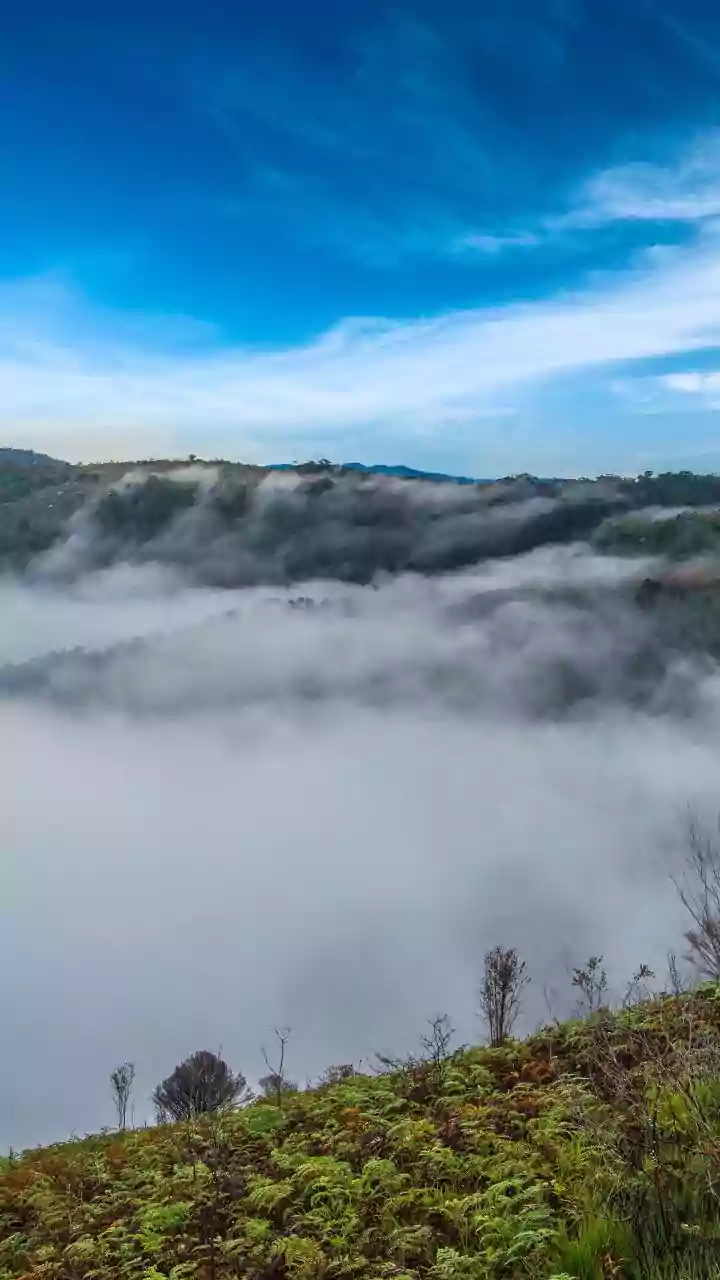
For years, India's monsoon travel narrative has been dominated by destinations in Kerala, Rajasthan, and Goa. However, the growing recognition of festivals like Behdienkhlam is putting northeastern hubs like Jowai firmly on the cultural tourism map. Jowai, located about 64 kilometers from Shillong, transforms into a bustling centre of tradition that offers a raw, unfiltered cultural experience. Unlike ticketed, staged events, Behdienkhlam is a living tradition unfolding on the streets and in the fields. It represents a unique intersection of animist faith, agricultural rhythms, and monsoon reverence that is distinct to the Jaintia Hills. As travellers increasingly seek authentic, immersive experiences, Jowai’s celebration of life amidst the clouds and rain offers a compelling reason to explore this lesser-known corner of India's diverse cultural landscape.