


Beyond the Cappuccino and Croissant
The familiar hum of the espresso machine and the scent of baked goods once defined the quintessential Indian café experience. For over a decade, the country’s urban centres embraced a globalised coffee culture, offering menus that could have been plucked
from London, New York, or Sydney. This second wave of coffee culture, popularised by international chains, established the café as a 'third space' for work and socialising. Now, a third wave is cresting, and it carries the distinct flavours of India's own diverse culinary landscape. Across the country, café owners are looking inward, realising that the future of this social institution lies not in imitation, but in innovation rooted in locality. The generic menu is making way for one that tells a story of place, blending the comfort of the international café with the excitement of regional Indian ingredients. This isn't just about adding a 'masala' twist; it's a thoughtful integration of heritage into a modern context.
A Taste of Home on a Modern Plate
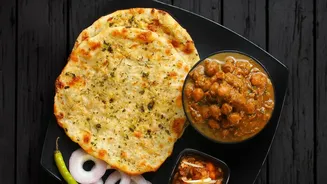
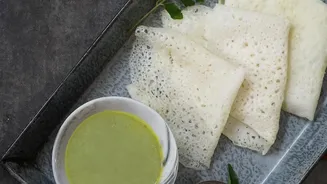
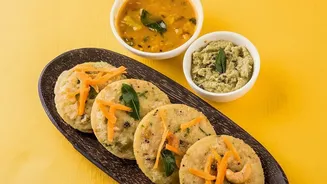
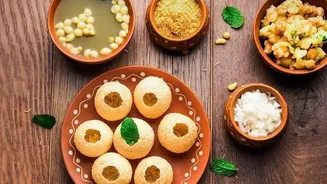
This new identity is best understood on the plate and in the cup. In Mumbai, a café might offer a sorbet made from tart, seasonal jamun or prickly pear, seasoned with gondhoraj lime and chaat masala. In Bengaluru, you might find ragi or millet-based pancakes served alongside single-origin coffee sourced directly from nearby estates in Coorg or Chikmagalur. The trend marries hyper-local produce with contemporary formats. Think of a Basque cheesecake flavoured with chocolate and fiery chillies, pasta made with Bandel cheese from West Bengal, or even a roasted green chickpea salad that heroes a seasonal winter legume. This culinary movement extends to beverages, where kokum, tamarind, and Himalayan herbs are being used to create refreshing drinks that offer an alternative to standard iced teas and coffees. These creations aren't gimmicks; they are a response to a growing desire among Indian diners for authenticity and a connection to their own food traditions.
The Why Behind the Culinary Shift
Several factors are driving this flavourful renaissance. Firstly, there's a growing cultural pride and curiosity, especially among younger generations who want to connect with their roots. After years of looking outwards, both chefs and consumers are finding excitement in rediscovering the immense biodiversity in their own backyards. Supporting local farmers and promoting sustainability have also become key priorities for many new-age establishments. By sourcing ingredients locally, cafés not only ensure freshness but also contribute to the local economy and reduce their carbon footprint. Furthermore, chefs today are more confident and experimental. They are moving away from the need to 'translate' Indian flavours for a globalised palate and are instead using their skills to elevate ingredients that were once confined to home kitchens. As one chef notes, the challenge is often convincing diners that a cuisine can be built around local ingredients, rather than fitting ingredients into a pre-defined culinary box.
An Experience Beyond the Menu
This embrace of local identity often extends beyond the food. The design and ambiance of these new-wave cafés are also reflecting a modern Indian aesthetic. Instead of generic industrial-chic interiors, many spaces now feature collaborations with local artists and artisans, showcasing regional crafts and materials. Brands like Third Wave Coffee, while serving an artisanal product, consciously build a sense of community by creating warm, accessible spaces that feel rooted in their Indian context. The result is an environment that feels both world-class and distinctly Indian. This holistic approach ensures the experience is immersive, telling a consistent story from the décor on the walls to the ingredients on the plate. It reflects a maturing of the market, where the café is not just a place for a quick coffee, but a cultural hub that celebrates a contemporary Indian identity.