





Not long ago, finding an apartment that welcomed pets was a victory. Today, urban housing is going a step further, with developers actively designing homes for our furry family members. This isn't just a luxury perk anymore; it's a major shift.
The Great Indian Pet Boom
At the
heart of this trend is a simple fact: more Indians are welcoming pets into their homes than ever before. The country's pet population has surged, with estimates suggesting there are now over 32 million pet dogs and a rapidly growing population of over 8 million cats. This growth, particularly in urban areas, was accelerated by the pandemic's need for companionship and is now sustained by a fundamental cultural shift. Younger generations, especially millennials and Gen Z, are leading the charge, viewing pets not as property, but as integral members of the family. This change in perspective is the primary driver reshaping the housing market.
From Pet Owner to Pet Parent
The language we use signals the change; people increasingly see themselves as 'pet parents' rather than 'pet owners'. This mindset, often called 'pet humanisation', means they are willing to invest significantly in their pets' well-being and happiness. For many young professionals in nuclear families, a pet offers companionship and emotional support, making their needs a non-negotiable part of life. Consequently, when searching for a home, a 'no pets allowed' policy is an instant dealbreaker. Homebuyers are now looking beyond mere acceptance and actively seeking environments that enrich their pets' lives.
What 'Pet-Friendly' Looks Like Now
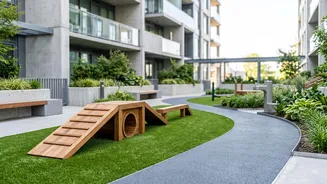
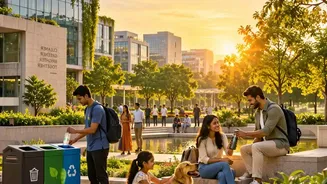
The definition of a 'pet-friendly' building has evolved dramatically. Previously, it simply meant a society that didn't enforce an outright ban. Today, it refers to integrated infrastructure designed for animal well-being. Leading developers in cities like Bengaluru, Mumbai, and Pune are now incorporating dedicated amenities as a key selling point. These include secure, off-leash dog parks for exercise and socialisation, designated pet grooming stations with washing areas, and thoughtfully planned walking trails. Some high-end projects even offer pet-friendly elevators, waste disposal systems, and on-site tie-ups with vets and groomers, ensuring convenience for pet parents.
A Smart Move for Real Estate Developers
For real estate developers, embracing this trend is not just about animal welfare; it's a savvy business decision. In a competitive urban market, pet amenities have become a powerful differentiator. Properties that cater to pets attract a wider, often more affluent, pool of buyers and renters, particularly from the millennial and Gen Z demographic. These buyers are often willing to pay a premium for a home that accommodates their lifestyle choices. As a result, projects with wellndesignated pet infrastructure can see reduced vacancy rates and higher property values, turning a lifestyle trend into a tangible market advantage.
The Future of Urban Community Living
This shift towards pet‐inclusive housing signals a broader evolution in our understanding of community. By designing spaces that accommodate pets, developers are creating more holistic living environments that reduce conflict between pet owners and other residents. Designated play areas mean fewer disturbances in common spaces, and proper waste management ensures better hygiene for everyone. As this trend continues, amenities that are now considered premium are likely to become standard expectations. The home of the future in urban India is one that acknowledges every member of the family—including those with paws and tails.