



A Journey Through Time
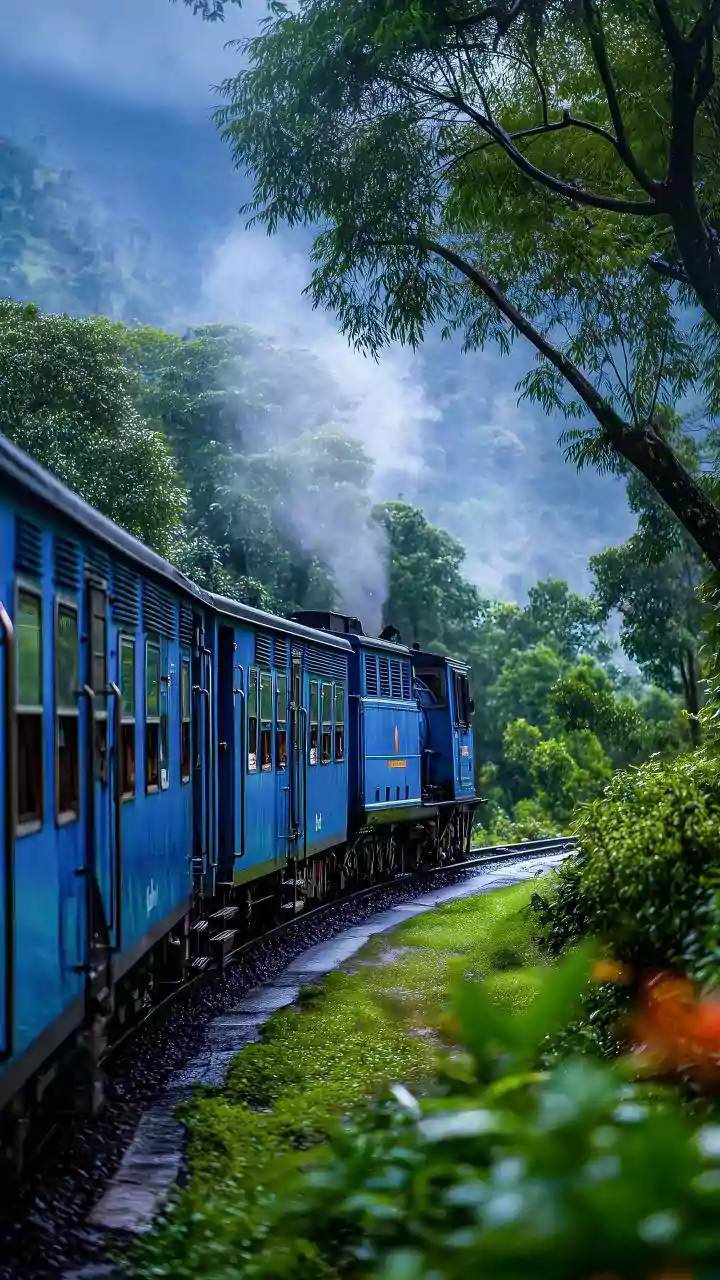
Inaugurated in 1903 by Lord Curzon, the Kalka-Shimla Railway was an audacious project designed to connect Shimla, the summer capital of British India, with the country's broader rail network. This narrow-gauge line snakes its way up from the plains of Kalka,
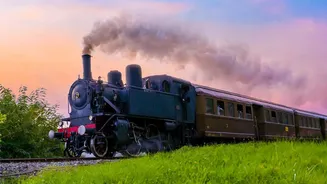
ascending over 1,400 metres to reach the Himalayan foothills of Shimla. More than just a colonial convenience, it was an artery of administration and social life. In 2008, its exceptional engineering and historical value were recognised when UNESCO designated it a World Heritage Site, placing it among the esteemed Mountain Railways of India. This isn't a dusty museum piece; it’s a living monument, with locomotives that have evolved from early British steam engines to modern diesel workhorses, all while traversing the same historic route.
An Engineering Marvel in the Mountains
The railway's claim to fame lies in its incredible construction, a testament to engineering that defied the challenging Himalayan terrain. The 96-kilometre journey is a masterclass in ingenuity, navigating through 102 active tunnels and crossing over 800 bridges and viaducts. The longest of these, the Barog tunnel, stretches over a kilometre and has its own folklore. The track negotiates an astonishing 919 curves, some so sharp they almost double back on themselves, allowing the train to gain altitude gracefully. The multi-arched galleries, resembling Roman aqueducts, are a particular highlight, showcasing a blend of robust functionality and architectural elegance. These features are not just historical curiosities; they are the very elements that make the line a functional and resilient piece of infrastructure, even today.
More Than Just a Tourist Attraction
While the scenic journey is undeniably a major draw for tourists seeking panoramic views of the Shivalik ranges, the railway’s importance runs much deeper. It remains a vital lifeline for local communities along its route, connecting small towns and villages like Barog, Solan, and Dharampur. For many residents, it provides an affordable and reliable mode of transport for daily commutes, transporting goods, and accessing larger towns. The line's true utility was cast into sharp relief during the devastating monsoons of 2023. Landslides and floods washed away sections of the track at hundreds of locations, including a 50-metre bridge near Summer Hill. The suspension of services crippled local economies dependent on the train, from taxi drivers to small business owners in Shimla. The swift, albeit challenging, restoration work, completed in just 82 days, underscored its essential role.
The Constant Challenge of Upkeep
Maintaining a 120-year-old railway in a geologically active and weather-sensitive region is a constant battle. The costs are significant, with annual maintenance expenses often far exceeding the revenue generated from fares. Natural threats like landslides are a perennial risk, and man-made pressures, such as unscientific excavation for nearby highway projects, further threaten the track's stability. Furthermore, there is an ongoing debate about modernization. Proposals for electrification, for instance, must be carefully weighed against the need to preserve the line's heritage character, requiring detailed impact assessments to ensure any changes do not compromise its UNESCO status. This delicate balance requires continuous investment and a commitment to preserving the line's integrity against both natural and developmental pressures.
A Blueprint for Indian Heritage
The Kalka-Shimla Railway offers a powerful counter-narrative to the often-competing demands of development and preservation. It proves that heritage is not a static liability but a dynamic asset that can, and should, have a place in the modern world. The decision to restore the railway after the 2023 floods, rather than abandon it, was a decision in favour of its continued usefulness. This model of valuing, maintaining, and integrating historic infrastructure into contemporary life provides a valuable lesson. In a country rich with historical sites that are often neglected in the name of progress, the 'toy train' stands as a proud example of how we can honour our past while serving the needs of the present. It shows that with thoughtful management, preservation is not an obstacle to usefulness, but a vital component of it.