





The Annual Monsoon Shutdown
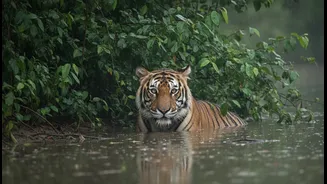
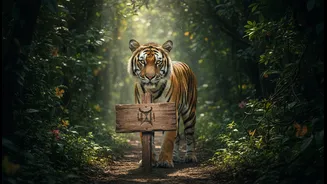
Every year, as the monsoon sweeps across the subcontinent, most of India's premier national parks and tiger reserves shut their gates to tourists. This annual closure, typically from early July to late September or mid-October, is not an arbitrary decision
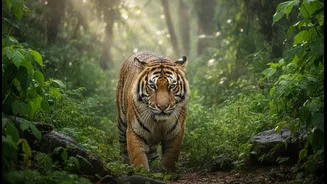
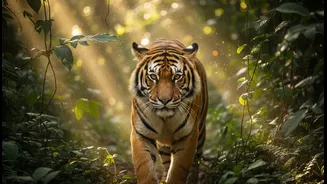
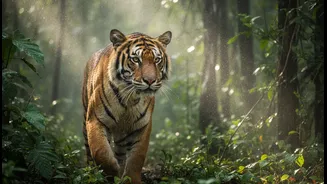
but a crucial measure for conservation and safety. The primary reason is to allow the forest ecosystem to regenerate and to provide a disturbance-free environment for wildlife during their critical breeding season. For many species, including tigers, leopards, and bears, the monsoon is a vital period for mating and raising their young. Limiting human activity helps ensure these natural processes can occur without stress. Furthermore, heavy rains make the unpaved mud trails inside the parks slushy, dangerous, and often impassable for safari vehicles, posing a significant safety risk to visitors.
Which Major Parks Close and When?
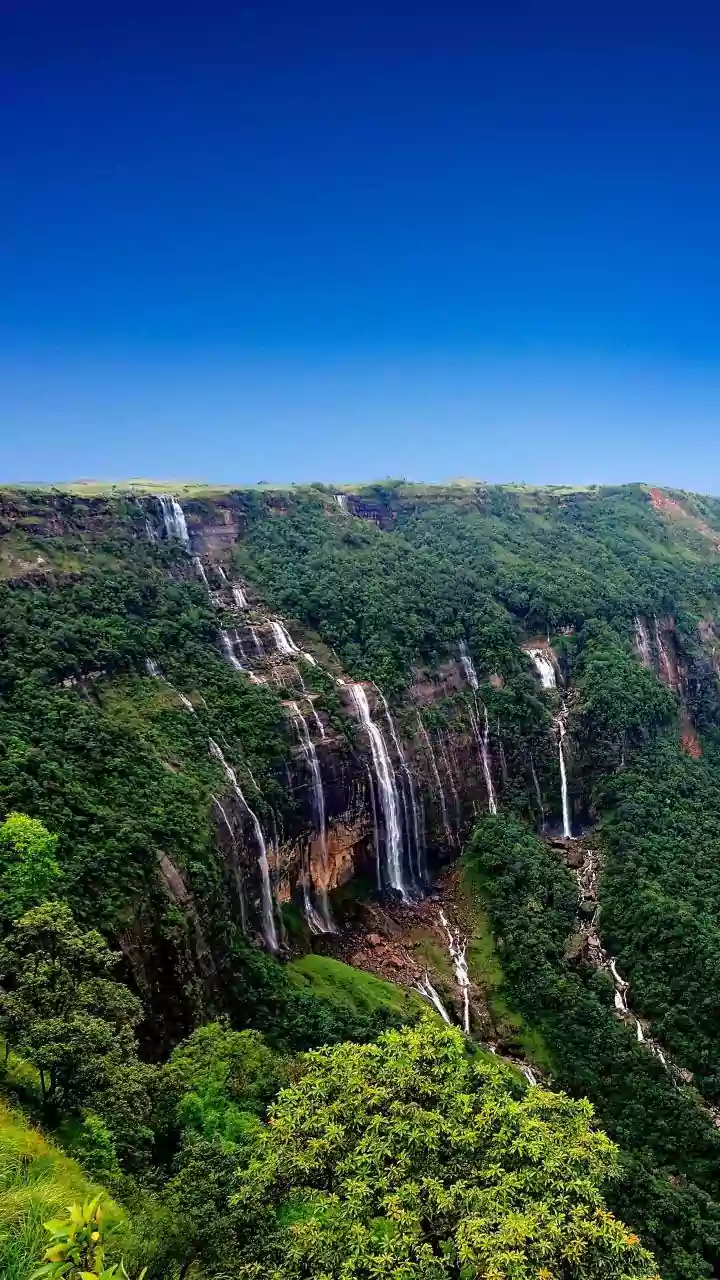
While exact dates can vary slightly each year, a general pattern holds true for most popular parks. The core zones of reserves in Central India, such as Kanha, Bandhavgarh, and Pench in Madhya Pradesh, typically close from July 1st until mid-October. Ranthambore in Rajasthan closes its core zones (Gates 1-5) from July 1st to September 30th. In the north, Jim Corbett National Park in Uttarakhand sees a phased closure, with its famous Dhikala and Bijrani zones shutting down around mid-June and reopening in mid-November. Parks in the Northeast, like Kaziranga in Assam, also close completely due to heavy flooding from the Brahmaputra River, usually reopening around October 1st. Similarly, parks in Gujarat close around mid-June for the season.
The Buffer Zone Loophole
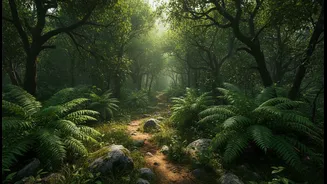
A full closure doesn't always mean your trip is a complete write-off. Many tiger reserves are divided into a 'core' area (critical habitat) and a 'buffer' zone. While the core zones are strictly off-limits during the monsoon, many parks keep their buffer zones open for tourism. For instance, Ranthambore keeps gates 6 to 10 open year-round, offering a chance for safaris even during the rains. Similarly, parks like Jim Corbett (Jhirna, Dhela, Sitabani zones), Tadoba, and those in Madhya Pradesh offer safaris in their buffer areas. While animal sightings can be less frequent due to dense foliage, the monsoon transforms these forests into lush, green landscapes, offering a different but equally magical experience with fewer crowds.
Your Pre-Travel Checklist
To avoid disappointment, proactive planning is key. Before booking any flights, trains, or hotels, your first step should always be to verify the park's status. The most reliable source of information is the official website of the specific national park or the state's forest department portal. These sites provide the most current information on opening and closing dates, as well as which specific zones are operational. Do not rely solely on travel agents or old blog posts, as dates and rules can change. If you cannot find information online, try to find a contact number for the park's field director or tourist office. Remember to also check for weekly closures; for example, parks in Madhya Pradesh are closed on Wednesday afternoons.
A Note for Rail Enthusiasts
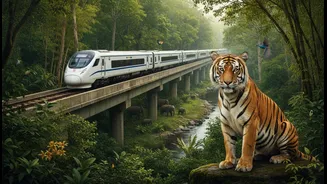
For many, the journey is as important as the destination, and India's expanding rail network, including the Vande Bharat Express, makes many wildlife destinations more accessible than ever. Trains connect to gateway towns like Sawai Madhopur for Ranthambore, Ramnagar for Corbett, and Umaria for Bandhavgarh. However, it's crucial to align your train bookings with the park's operational calendar. There are also specialised luxury tourist trains, such as the Palace on Wheels and Deccan Odyssey, that include safaris in Ranthambore as part of their itinerary. These journeys are planned around the park's open season, but if you're booking your own rail travel, the responsibility falls on you to ensure your arrival doesn't coincide with the monsoon shutdown.