


From Parades to Peaks
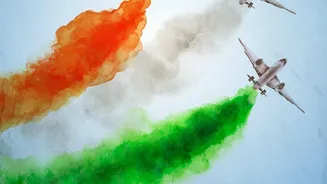
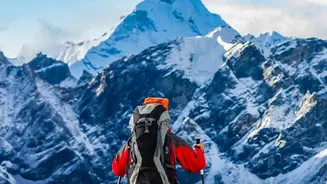
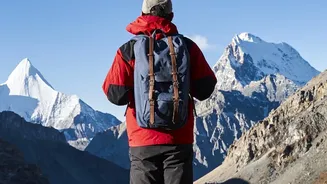
The definition of a long weekend getaway is changing for many urban Indians. While traditionally a time for family gatherings or short city breaks, the upcoming Independence Day holiday is seeing a different kind of traveler emerge: the adventure seeker.
Reports and booking patterns indicate a strong preference for experience-based trips, with a significant percentage of young Indians prioritizing adventure and unique destinations. This shift is driven by a desire for authenticity, mental rejuvenation, and the opportunity to disconnect from the daily grind and reconnect with nature. Instead of navigating crowded city attractions, they are choosing to navigate lush mountain trails.
Uttarakhand: The Monsoon Magnet
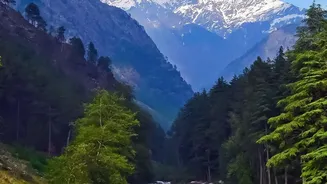
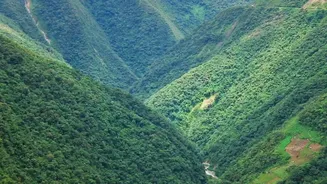
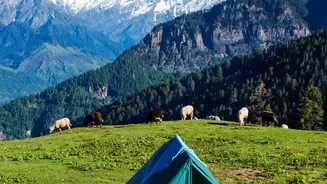
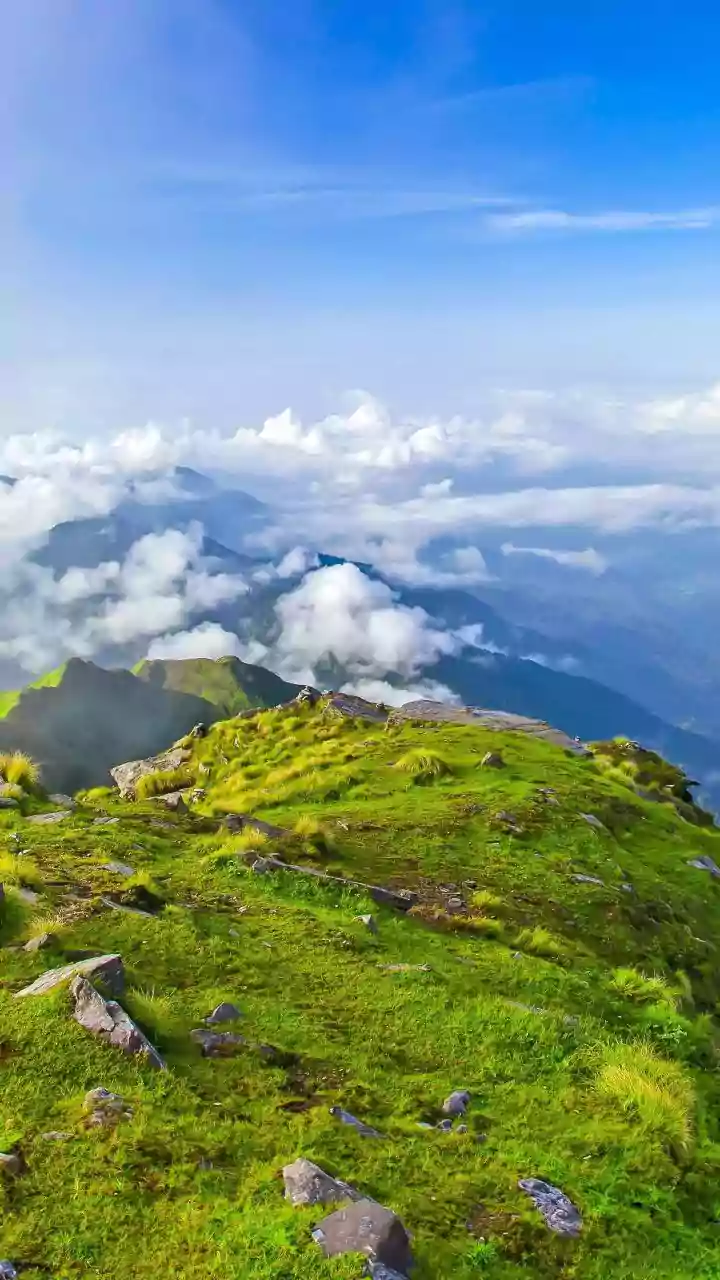
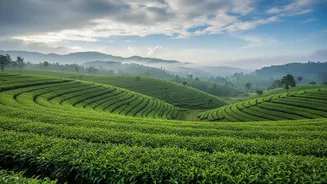
Uttarakhand, often called 'Devbhoomi' or the 'Land of the Gods', has become the epicentre of this trekking surge. Its appeal lies in its accessibility from major North Indian cities and its incredible diversity of trails suitable for various fitness levels. The monsoon season, particularly from July to August, transforms the state's valleys into vibrant, green landscapes, making it a prime time for specific treks. This period sees alpine meadows burst into colour with countless species of wildflowers, creating a breathtaking spectacle that draws nature lovers, photographers, and spiritual seekers alike. Well-established tour operators and good infrastructure further cement its status as a go-to destination for mountain adventures.
The Valley of Flowers: A Blooming Paradise
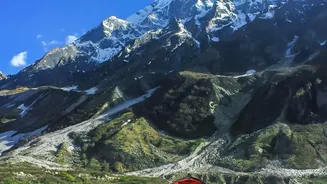
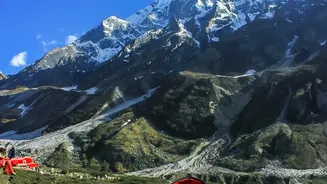
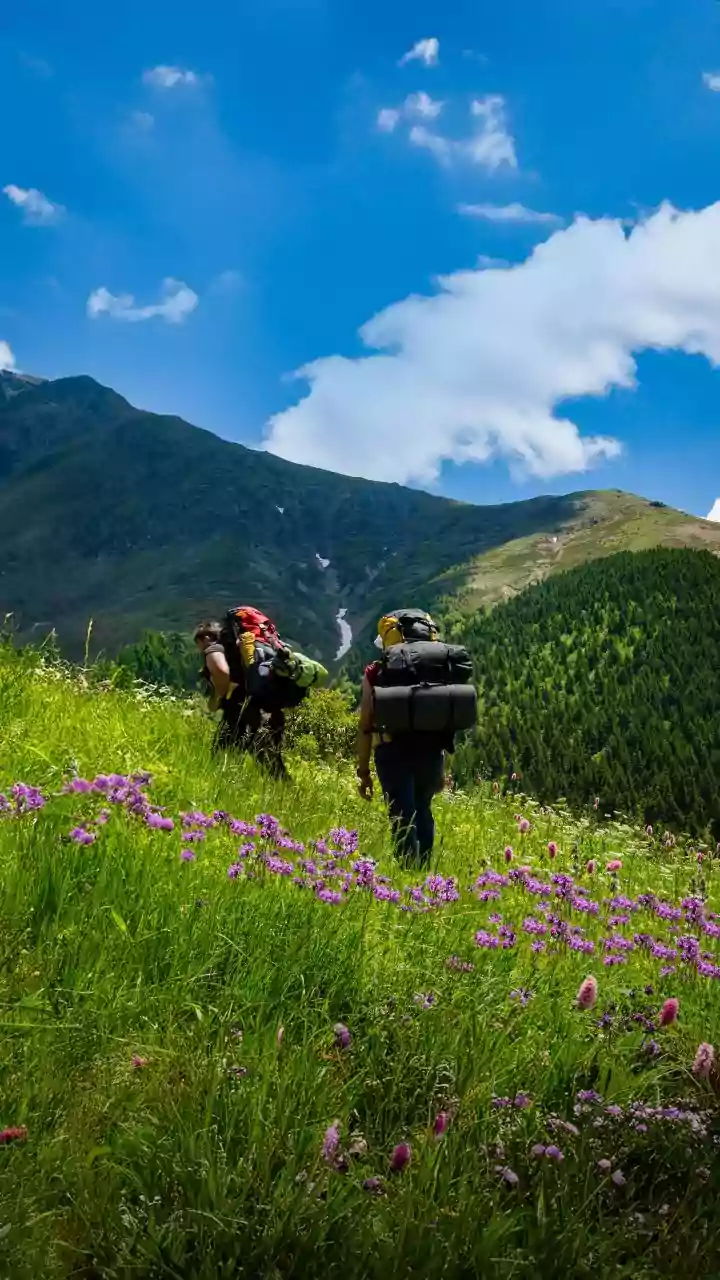
Leading the charge in popularity is the Valley of Flowers National Park, a UNESCO World Heritage Site. This trek is arguably the most quintessential monsoon journey in the Himalayas. Reaching an altitude of around 14,100 feet, the trail is considered easy to moderate, making it accessible even for beginners with a reasonable level of fitness. The main attraction is the valley itself, a vast expanse carpeted with over 300 species of alpine flowers, including the rare Blue Poppy and Brahma Kamal. The trek, typically completed over six days starting from Govindghat, is a journey through dense forests, past gushing waterfalls, and along the Pushpawati river, offering a truly ethereal experience.
Har Ki Dun: The Valley of Gods
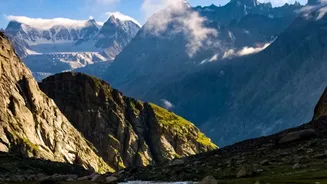
Another trek witnessing high interest is Har Ki Dun, which translates to the 'Valley of Gods'. Tucked away in the Garhwal Himalayas within the Govind Wildlife Sanctuary, this cradle-shaped valley offers a different, more culturally immersive experience. The trek is steeped in mythology, believed to be the path the Pandavas took to heaven. During the monsoon, the valley becomes incredibly lush and green. This moderate trek, which takes about seven days, winds through ancient, remote villages like Osla, offering a glimpse into a traditional way of life that has remained unchanged for centuries. Trekkers are rewarded with stunning views of peaks like Swargarohini and Bandarpoonch.
Preparing for a Monsoon Trek
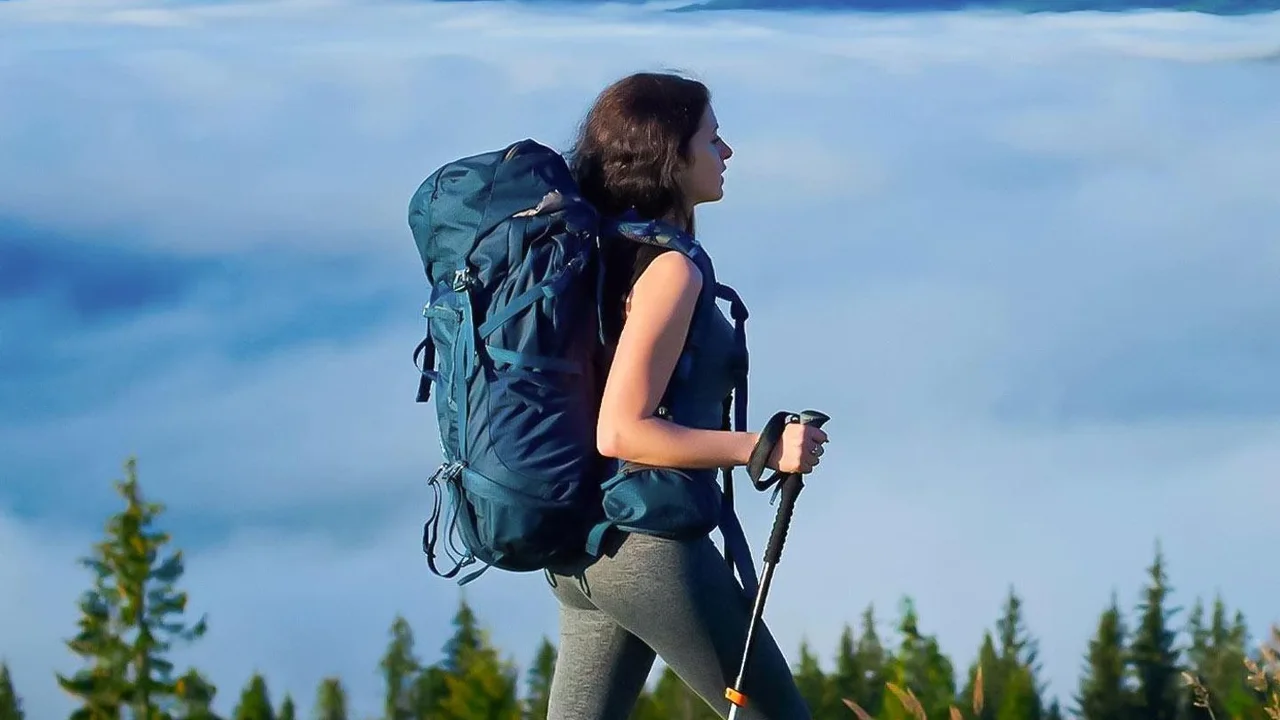
While the monsoon brings out the beauty of these valleys, it also presents unique challenges. Mid-August is peak rainy season, and trekkers must be prepared for wet conditions and potentially slippery trails. Packing waterproof gear, including a good rain jacket, waterproof pants, and a cover for your backpack, is non-negotiable. Sturdy trekking shoes with excellent grip are essential. It's also wise to be flexible with your itinerary, as heavy rains can sometimes cause delays or landslides on access roads. Many tour operators offer all-inclusive packages that handle transport, accommodation, permits, and meals, which can be a convenient option for those planning a trip. Booking in advance is highly recommended, as popular treks and dates around the long weekend fill up quickly.