


From Ancient Ritual to Modern Staple
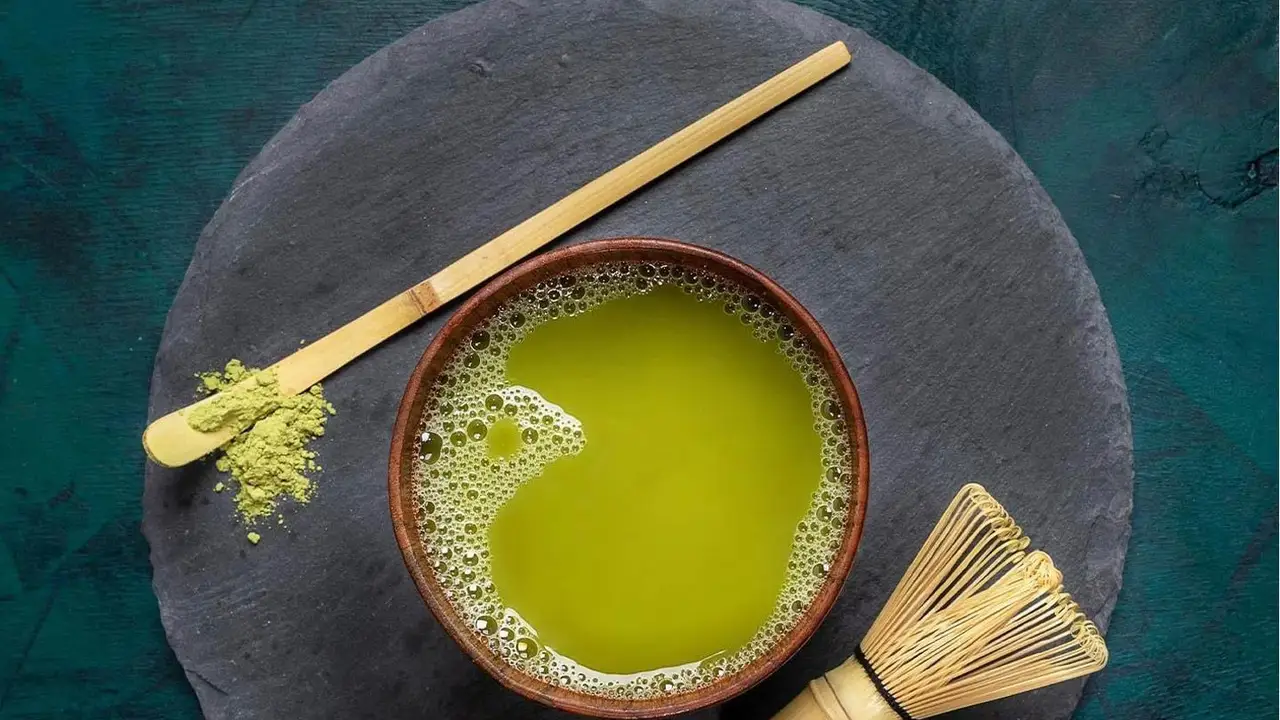
For centuries, matcha has been a cornerstone of Japanese tea ceremonies, a meticulously prepared beverage valued for its deep cultural significance. Its first wave of mainstream popularity in India and across the globe came in the form of the matcha latte,
a creamy, accessible drink that became a coffee shop staple. But that was just the beginning. The global matcha market is now valued at over 4 billion USD and is projected to continue its rapid growth. This surge isn't just about lattes anymore; it's about a complete reimagining of what matcha can be.
A Health Halo in a Cup
A primary driver of matcha's enduring appeal is its reputation as a wellness powerhouse. Unlike coffee, the caffeine in matcha is paired with L-theanine, an amino acid that promotes a state of calm, focused alertness. This unique combination provides sustained energy for three to six hours, but without the jitteriness or subsequent crash associated with other caffeinated drinks. This effect, often described as 'calm alertness,' is highly sought after in today's overstimulated world. Furthermore, matcha is packed with antioxidants called catechins, which are believed to support metabolism, skin health, and the immune system. Because you consume the whole, powdered leaf, you get a much higher concentration of these beneficial compounds than you would from steeped green tea.
The Power of Green
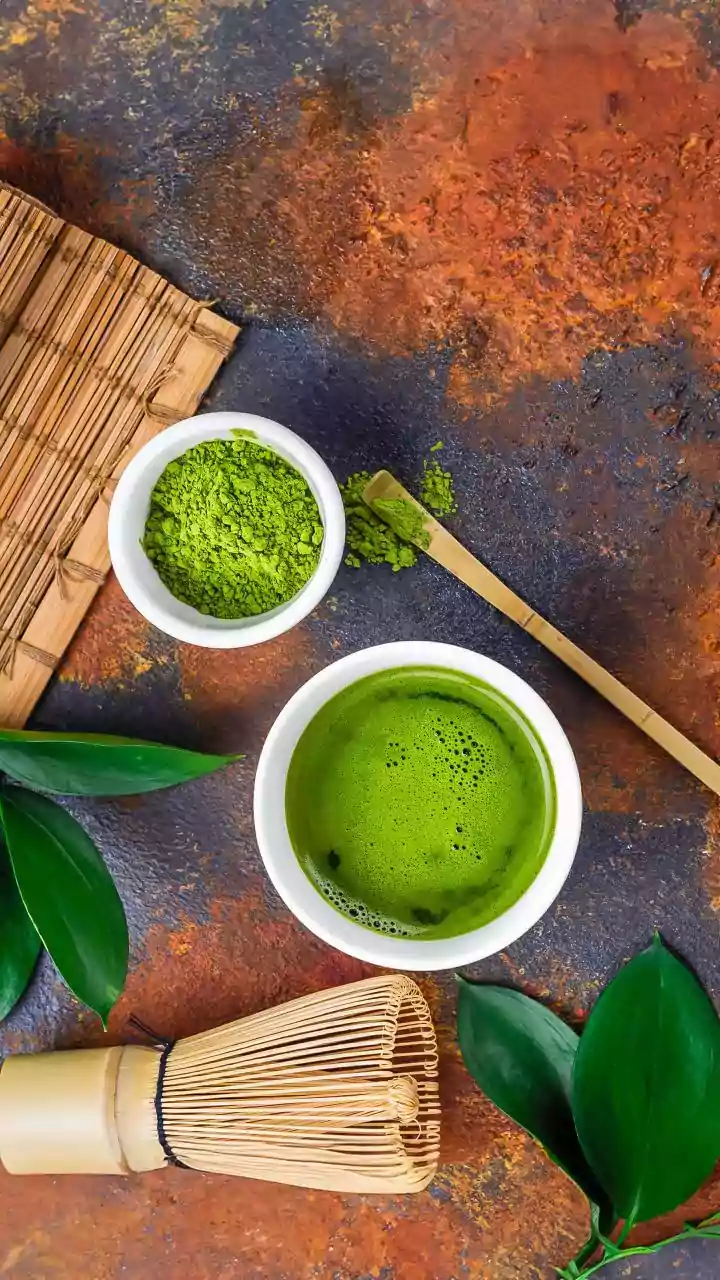
In the age of social media, aesthetics matter, and matcha’s vibrant green hue is undeniably photogenic. Its visual appeal has made it a star on platforms like Instagram, driving curiosity and encouraging cafes and home cooks to feature it. Beyond its looks, matcha is incredibly versatile. Its unique flavour profile — earthy, slightly bitter, with a hint of sweetness — works in both sweet and savoury contexts. This has turned it into a creative playground for chefs and baristas. From matcha-infused pasta and pesto to seasonings for roasted vegetables, culinary artists are exploring its savoury potential. Social media conversations about matcha have surged, reflecting its growing role as a mainstream menu item.
The Reinvention in Action
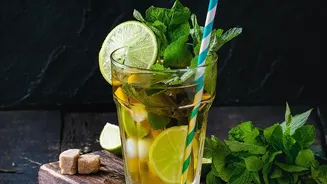
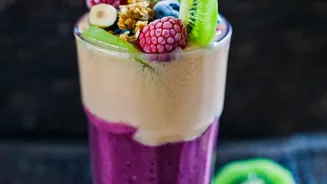
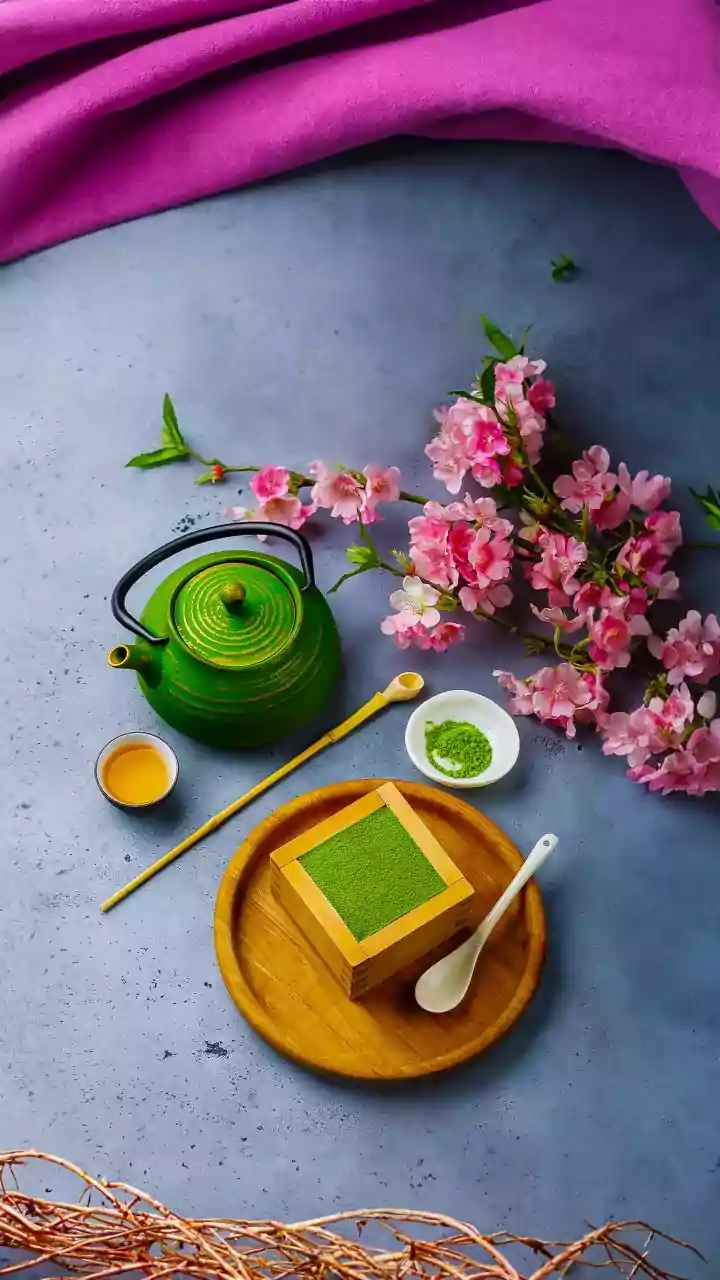
The evidence of matcha's reinvention is on full display in cafes and on menus. The simple latte has evolved, with flavours like vanilla, strawberry, lavender, and pistachio becoming popular additions. The creativity doesn't stop there. Sparkling matcha tonics and lemonades offer a refreshing, fizzy alternative. For a bolder experience, some are even adding a shot of espresso for a 'dirty' matcha. The dessert world has fully embraced it, with matcha appearing in everything from tiramisu and brownies to ice cream and crème brûlée. There are even matcha-infused cocktails, like the matcha mojito, appearing on bar menus.
A Canvas for Global Flavors
As matcha becomes a global ingredient, it's being fused with flavours from around the world. It’s no longer just about Japanese pairings. You might find matcha blended with Middle Eastern rosewater, Latin American dulce de leche, or classic Indian spices like cardamom. This fusion helps keep matcha relevant and exciting across different markets. It is also being incorporated into a new category of 'functional' beverages, combined with ingredients like collagen, probiotics, and adaptogens to create wellness-focused drinks. This adaptability demonstrates matcha's successful transition from a traditional product to a truly modern, global ingredient.