


The Hidden Cost of Tight Hairstyles
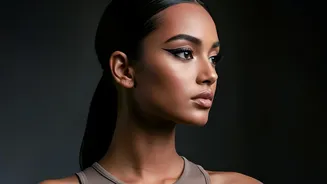
Sleek, tightly pulled-back buns and high ponytails have a clean, polished look, but that sharpness can come at a cost. Constant tension on the hair follicles can lead to scalp soreness, headaches, and even a type of hair loss called traction alopecia.
This condition is caused by prolonged, repetitive pulling on the hair roots, which can damage the follicles over time. Early warning signs might include small bumps on the scalp or noticeable hair breakage around the hairline. While occasional tight styling is unlikely to cause permanent issues, making it a daily habit puts unnecessary stress on your scalp and hair, which can eventually lead to irreversible damage.
Why Softer Styles Feel Lighter
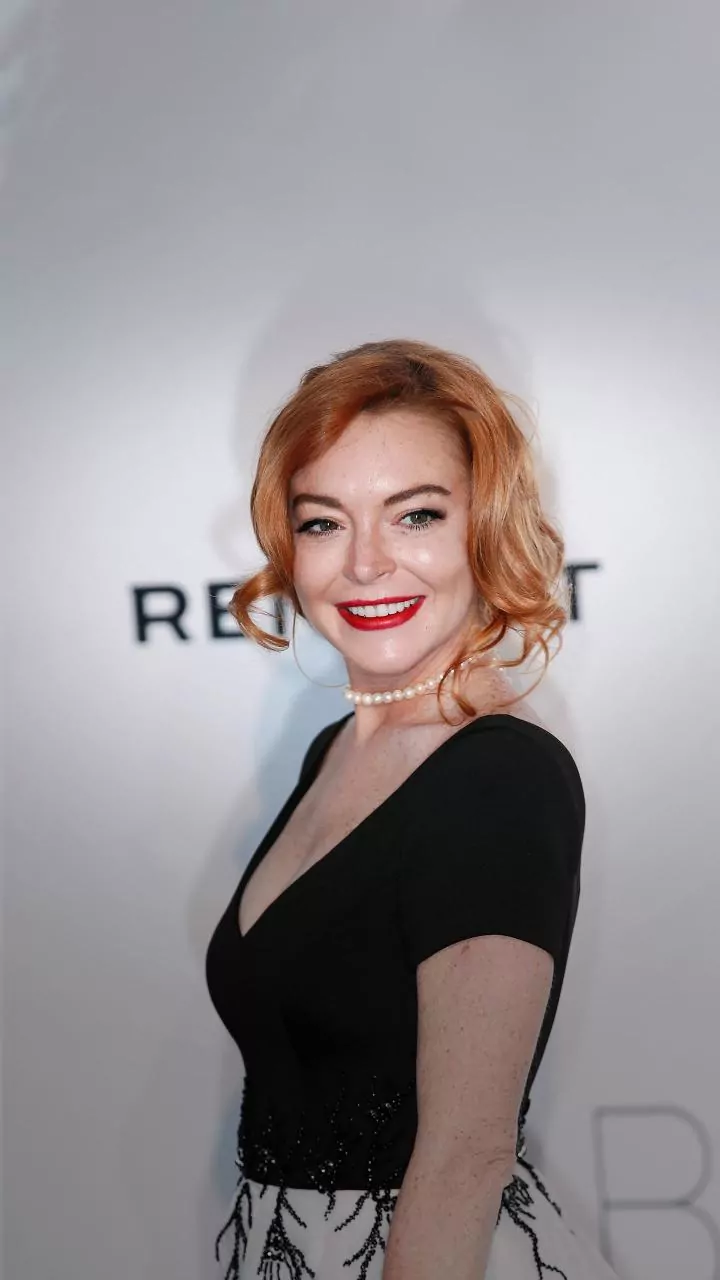
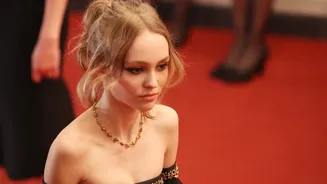
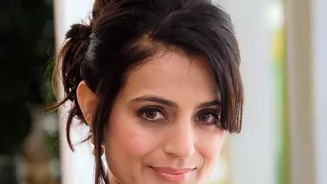
A soft updo is designed to work with your hair, not against it. By leaving out face-framing pieces and gathering the hair loosely, the weight is distributed more evenly, and no single area of the scalp bears the brunt of the tension. This approach immediately feels more comfortable and reduces the risk of headaches caused by hair pulling. Aesthetically, this softness creates a more relaxed, modern, and romantic vibe. Those loose tendrils aren't just for looks; they soften the hairline and balance your features, preventing the stark, 'egg-like' look that some people feel a tight updo can create. It’s a style that looks intentional yet effortless.
Iconic Soft Updos to Inspire You
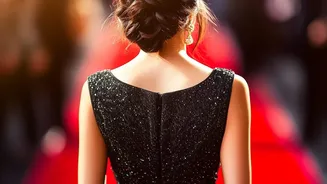
The beauty of the soft updo lies in its versatility. One of the most popular styles is the messy bun or topknot, made chic with deliberate, face-framing tendrils. Celebrities like Jennifer Lopez and Dakota Johnson have perfected the art of the tousled, high-piled bun that looks effortlessly glamorous on the red carpet. Another timeless option is the low chignon at the nape of the neck, kept soft by allowing a few wavy pieces to escape around the face, a signature look for Meghan Markle. For a more '90s-inspired take, seen on stars like Kendall Jenner, a higher bun with a few spikier, piece-y strands left out offers a grungier-yet-chic edge.
Mastering the Effortless Look
Achieving an updo that feels light but stays put requires a bit of strategy. The key is to build a foundation with some grip. Start with second-day hair or add a texturizing spray or dry shampoo to clean hair to prevent it from being too silky. Before you gather your hair, decide on your part and separate the face-framing pieces you want to leave out. This prevents you from having to yank them out of a finished bun, which can create bumps and loosen the style. Gather the rest of your hair into a low, mid, or high ponytail, but don't pull it excessively tight against the scalp. From there, you can twist or loop it into a bun.
Securing the Style Without the Strain
The right accessories are crucial for a comfortable hold. Instead of relying on a single, ultra-tight elastic band, consider using tools that distribute the hold. Spin pins, which look like corkscrews, can anchor a bun securely with just two pins and are said to do the work of 20 bobby pins. U-shaped hair pins, sometimes called Amish pins or French pins, are also excellent for securing buns without creating a central point of tension. When pinning, think about creating a supportive structure rather than just clamping the hair down. Once the bun is secure, you can gently tug on it to add volume and adjust the shape. A light mist of a flexible-hold hairspray will keep flyaways in check without making the style feel stiff or crunchy.