


The Humidity and Root Rot Connection
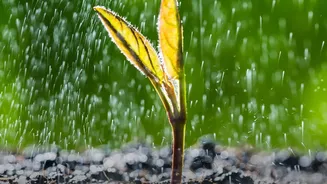
High humidity is a double-edged sword for plants. While many tropical varieties enjoy the moist air, it drastically slows down two key processes: evaporation from the soil and transpiration (water loss) from the leaves. This means the potting mix stays
wet for much longer than in dry weather. When roots sit in soggy soil, they can't access the oxygen they need to survive, leading to suffocation and a fungal disease called root rot. This condition can quickly turn a thriving plant into a wilting, yellow mess. Understanding this basic principle is the first step to changing your watering habits for the better.
Rethink Your Watering Schedule
In humid weather, rigid watering schedules are a recipe for disaster. Instead of watering every few days out of habit, you must check the soil first. The most reliable method is the finger test: stick your finger about one to two inches into the soil. If it feels moist, do not water, even if it has been several days. If it feels dry to the touch, it's time to give your plant a drink. During periods of heavy rain, plants in open balconies may not need any supplemental watering at all. Always remember: it is far easier to save a plant that is slightly too dry than one that has been overwatered.
Drainage Is Non-Negotiable
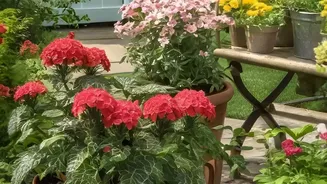
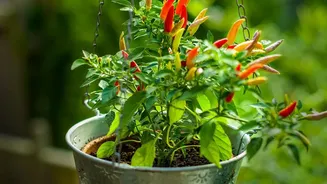
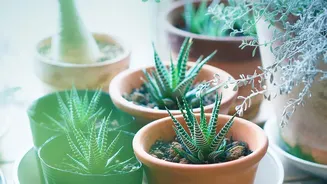
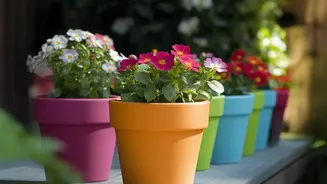
Good drainage is your best defence against waterlogged soil. First, ensure every pot has at least one, preferably several, drainage holes at the bottom. This allows excess water to escape freely. If you fall in love with a decorative pot that lacks holes, use it as a cachepot—place a smaller plastic pot with drainage holes inside it, and be sure to tip out any collected water after watering. The type of pot also matters. Porous materials like terracotta are excellent for humid climates as they allow moisture to evaporate through the sides, helping the soil dry out more evenly. Plastic or glazed ceramic pots retain moisture for longer and require more careful watering.
Build a Better Soil Mix
Standard garden soil or even some bagged potting mixes can be too dense for containers in a humid climate, retaining too much water. A well-draining potting medium is crucial. You can create your own or amend a store-bought mix to improve its structure. A good recipe for containers is a blend of potting soil, compost for nutrients, and materials that create air pockets and improve drainage. Adding elements like perlite, coarse sand, or coco coir will make the soil lighter and less prone to compaction, ensuring that roots get the aeration they need to stay healthy. This type of mix holds enough moisture for the plant to drink without becoming a soggy swamp.
Recognise the Signs of Distress
Ironically, the signs of overwatering can look a lot like underwatering, which often tricks people into watering even more. A key symptom is wilting leaves even when the soil is wet. This happens because the suffocating roots can no longer absorb water. Other tell-tale signs include yellowing leaves, particularly the lower ones, which may feel soft or limp. You might also notice a musty or rotten smell from the soil, see fungus or mold on the surface, or be bothered by an increase in tiny flying insects called fungus gnats, which thrive in damp conditions. Catching these signs early gives you the best chance to save your plant.