



The Monotony of the Fasting Thali
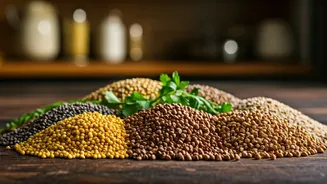
The moment a fasting period like Navratri or Shravan begins, a familiar culinary script unfolds in many Indian kitchens. Out come the bags of sabudana (tapioca pearls), kuttu ka atta (buckwheat flour), and singhare ka atta (water chestnut flour). The menu,
while comforting to some, can quickly become repetitive: sabudana khichdi, kuttu ki puri, aloo ki sabzi. While these dishes are steeped in tradition, they often represent a culinary holding pattern—a time when we stop thinking creatively about food and simply follow a well-trodden, often deep-fried, path. Fasting is meant to be a period of reflection and discipline, but nowhere is it written that the food must be uninspired. The spirit of fasting is about abstaining from certain ingredients, not from flavour, texture, or joy.
Rethink the Rules, Not the Spirit
The restrictions of fasting are a framework, not a cage. Most fasting traditions focus on avoiding grains, lentils, certain spices, and processed foods. But look at what is allowed: a vibrant palette of vegetables, fruits, dairy, nuts, and alternative grains like amaranth (rajgira) and barnyard millet (samak). The problem isn’t the ingredient list; it’s our imagination. We have confined these versatile ingredients to a handful of recipes. Why can’t potatoes be baked into wedges with rock salt and rosemary instead of being fried? Why can’t samak rice be used to make a creamy, mushroom-less risotto with pumpkin purée? By focusing on what we *can* eat, we open up a world of possibilities that honours the spirit of the fast while delighting the palate.
Embrace Global Techniques
Our fasting-approved ingredients are global citizens. Sweet potatoes are used in cuisines worldwide, from Mexican stews to Japanese desserts. Buckwheat is the star of French crêpes and Japanese soba noodles. There’s no reason we can’t borrow techniques to elevate our fasting meals. Consider a 'vrat-friendly' Mexican-inspired bowl: a base of samak rice topped with sautéed pumpkin, mashed sweet potato 'guacamole' (seasoned with rock salt, lemon juice, and green chillies), and a dollop of fresh curd. Or imagine a baked sweet potato, sliced open and filled with a savoury mixture of grated coconut, peanuts, and spices. These dishes use compliant ingredients but apply a modern, global approach that feels fresh and exciting.
Texture Is Everything
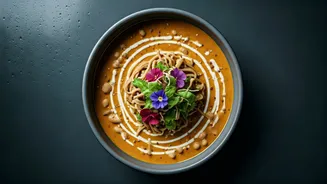
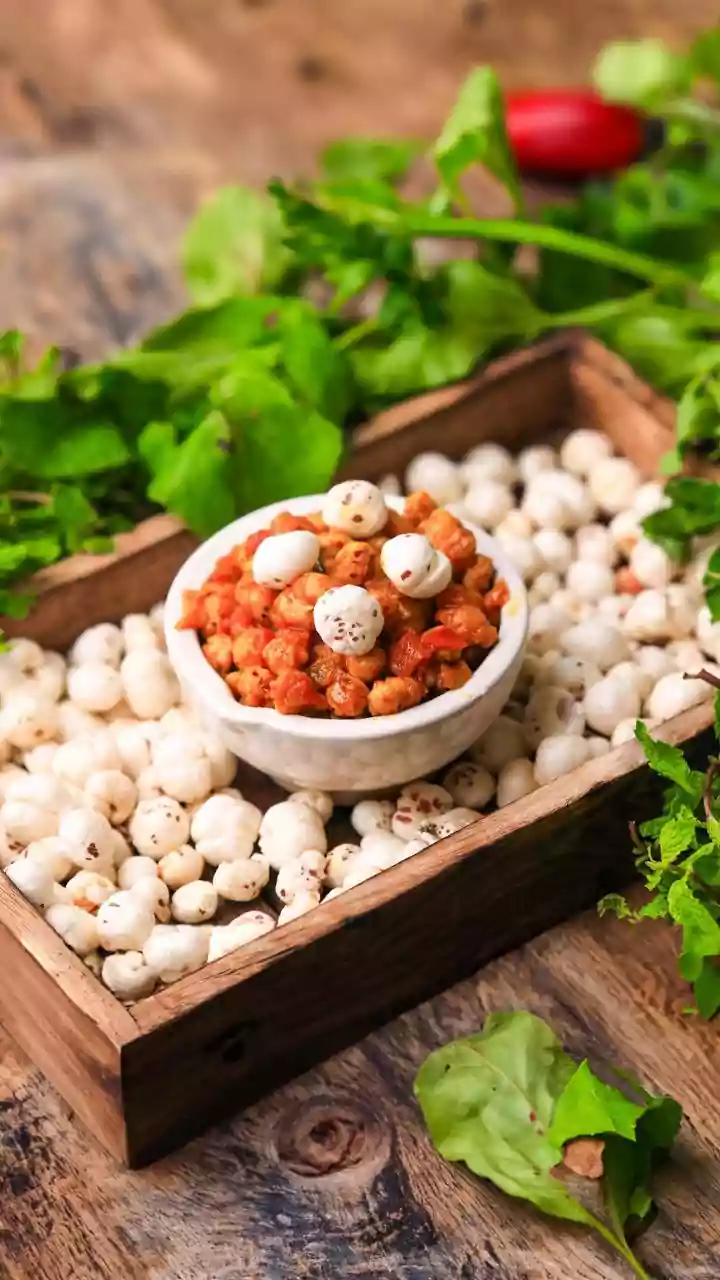
One reason fasting food can feel monotonous is the lack of textural contrast. So much of it is soft, mushy, or fried. Introducing a variety of textures can make the simplest meal feel sophisticated. Create a crunchy granola using puffed amaranth, nuts, seeds, and a touch of honey or jaggery to have with milk or yogurt. Make a creamy soup from bottle gourd (lauki) or pumpkin and top it with roasted makhana (fox nuts) for a delightful crunch. A simple fruit chaat can be transformed by adding toasted nuts and a drizzle of date syrup. This focus on texture makes each bite more interesting and satisfying, proving that thoughtful cooking doesn't need a long list of ingredients.
The Art of a Beautiful Plate
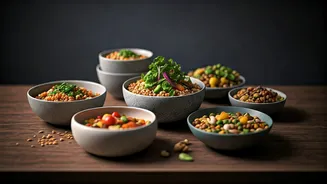
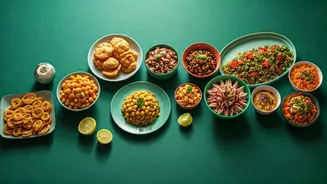
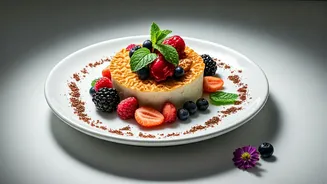
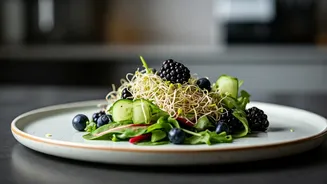
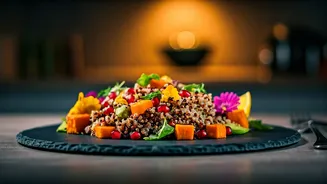
Finally, let’s address the “plain plates” from the headline. We eat with our eyes first. A meal that is thoughtfully plated feels more special and intentional. A simple bowl of fruit salad looks infinitely more appealing when arranged with care and garnished with a sprig of mint. A serving of sabudana khichdi, often served in a simple heap, can be moulded in a small bowl before being inverted onto a plate and garnished with fresh coriander and a wedge of lime. Making the food look good is an act of mindfulness in itself. It transforms the meal from a functional necessity to a small celebration, enriching the fasting experience and showing respect for both the food and the person eating it.